Refurbished vs New PC Parts: What Should You Avoid?
Adam Fornal
June 23rd, 2025
Table of Contents
Building or upgrading a computer presents a crucial decision that affects both your budget and system performance: choosing between Refurbished vs New PC Parts. This comprehensive guide examines the critical considerations, potential pitfalls, and smart strategies for making informed purchasing decisions. Understanding the nuances of Refurbished vs New PC Parts can save you hundreds of dollars while avoiding costly mistakes that could compromise your system’s reliability and performance.
The computer hardware market offers compelling options for budget-conscious builders, but navigating the Refurbished vs New PC Parts landscape requires careful consideration. While refurbished components can provide excellent value, certain parts carry higher risks and should be approached with caution. This detailed analysis explores which components are safe to buy refurbished, which should be avoided, and how to make smart purchasing decisions that balance cost savings with reliability.
Understanding the Refurbished PC Parts Market
Before diving into specific component recommendations, it’s essential to understand what defines the Refurbished vs New PC Parts market. Refurbished components typically fall into several categories: manufacturer returns, open-box items, lease returns from businesses, and previously used parts that have been tested and restored to working condition. Each category carries different risk levels and warranty coverage, making it crucial to understand the source and condition of any refurbished hardware you’re considering.
The appeal of Refurbished vs New PC Parts lies primarily in cost savings, which can range from 20% to 70% off retail prices. However, these savings come with trade-offs including shorter or limited warranties, potential cosmetic wear, and unknown usage history. Professional refurbishers often provide testing and basic warranties, but the level of quality assurance varies significantly between sellers. Understanding these factors helps you make informed decisions about when refurbished parts make sense for your build.
The Economics of Refurbished Hardware
When evaluating Refurbished vs New PC Parts, consider the total cost of ownership rather than just the initial purchase price. Refurbished components may require replacement sooner than new parts, potentially negating initial savings. Additionally, compatibility issues or failures can result in system downtime and additional troubleshooting costs. For mission-critical systems or professional workstations, the peace of mind that comes with new components often justifies the higher initial investment.
The refurbished market dynamics also affect availability and pricing. Popular components may be scarce in refurbished condition, while older generations might offer better value propositions. Seasonal factors influence pricing, with corporate lease returns typically appearing in larger quantities during certain times of the year. Understanding these market patterns can help you time purchases for maximum savings when choosing between Refurbished vs New PC Parts.
Quality Standards and Certification Programs
Not all refurbished hardware meets the same quality standards, making it crucial to understand certification programs when comparing Refurbished vs New PC Parts. Manufacturer-certified refurbished products typically undergo rigorous testing and come with warranties approaching those of new products. Third-party refurbishers may offer varying levels of quality assurance, from basic functionality testing to comprehensive restoration processes.
Look for refurbishers who provide detailed condition descriptions, testing procedures, and clear warranty terms. Reputable sellers often grade their refurbished inventory by condition, helping you understand what to expect. Some certification programs require specific testing protocols and warranty minimums, providing additional confidence when choosing Refurbished vs New PC Parts for your system build.
Critical Components to Approach with Caution
Understanding which components carry higher risks helps you make smarter decisions when weighing Refurbished vs New PC Parts options. Certain hardware categories are particularly sensitive to previous usage patterns, wear, or potential hidden damage that may not be apparent during basic testing.
Power Supplies: The Foundation of System Reliability
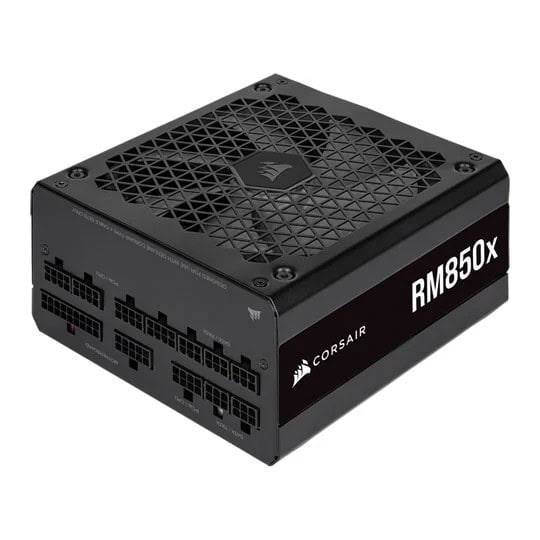
Power supplies represent one of the most critical decisions in the Refurbished vs New PC Parts debate. These components bear responsibility for delivering clean, stable power to every system component, and failures can damage or destroy other hardware. Refurbished power supplies carry significant risks because their internal components, particularly capacitors, degrade over time and usage cycles.
Hidden Wear and Degradation Issues
The primary concern with refurbished power supplies in the Refurbished vs New PC Parts discussion involves internal component degradation that isn’t apparent during basic functionality testing. Electrolytic capacitors, which are crucial for power regulation and filtering, deteriorate with age and heat exposure. A refurbished power supply might pass initial testing but fail under load or after extended operation, potentially taking other components with it.
Additionally, power supplies from unknown environments may have been exposed to dust, moisture, or electrical stress that compromises long-term reliability. Corporate environments sometimes subject power supplies to constant operation cycles that accelerate component aging. When considering Refurbished vs New PC Parts for your power supply, the relatively small cost difference between refurbished and new units often makes new purchases the safer choice.
Refurbished Vs New Pc Parts: What Should You Avoid? 5
Warranty and Safety Considerations
Power supply warranties become particularly important when evaluating Refurbished vs New PC Parts options. New power supplies typically include 3-7 year warranties from reputable manufacturers, reflecting their confidence in component longevity. Refurbished units often carry much shorter warranty periods, sometimes as little as 30-90 days, which may not provide adequate protection for the component’s expected service life.
Safety certifications also factor into Refurbished vs New PC Parts power supply decisions. Ensure any refurbished power supply maintains valid safety certifications like 80 Plus efficiency ratings and regulatory approvals. Some refurbished units may lack proper documentation or have had modifications that affect their safety compliance. Given the potential for catastrophic failure and damage to other components, power supplies generally favor new purchases in the Refurbished vs New PC Parts equation.
Storage Drives: Balancing Cost and Data Security
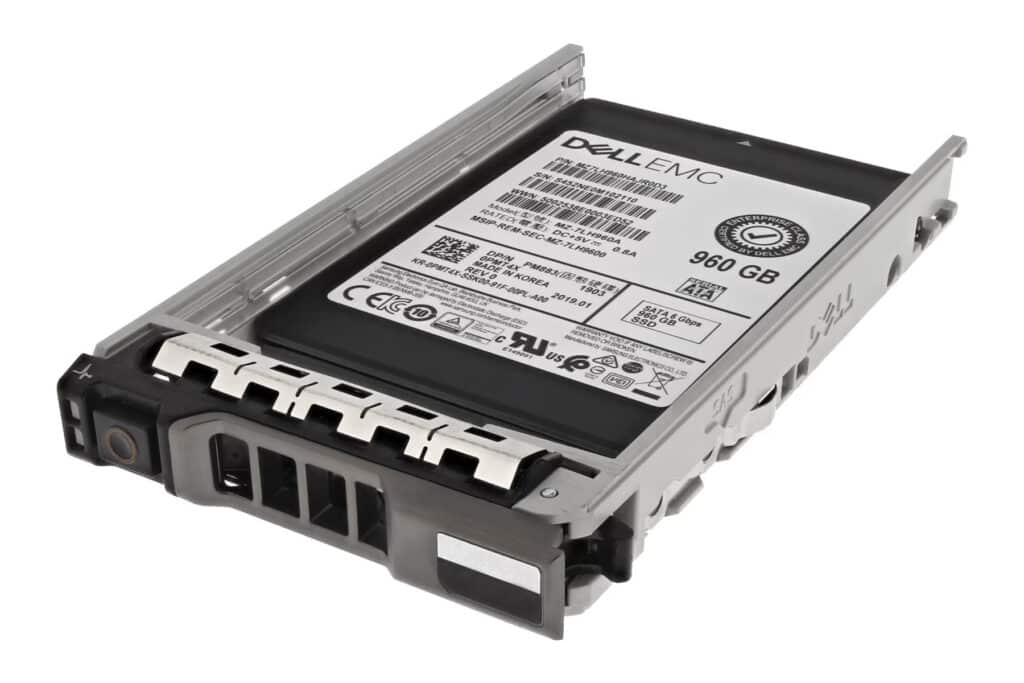
Storage drives present complex considerations in the Refurbished vs New PC Parts analysis. While solid-state drives and hard drives can offer significant savings when purchased refurbished, they also carry unique risks related to data security, wear leveling, and remaining lifespan that require careful evaluation.
SSD-Specific Concerns and Lifespan Issues
Solid-state drives introduce specific complications to the Refurbished vs New PC Parts decision process. SSDs have finite write cycles, and determining the remaining lifespan of a refurbished drive can be challenging. SMART data can provide insights into drive health, but this information may be reset or unavailable for some refurbished units. Additionally, previous usage patterns significantly impact SSD longevity—a drive used for constant database operations will have different wear characteristics than one used for basic file storage.
Enterprise SSDs appearing in the refurbished market may have been subjected to intensive workloads that significantly reduce their remaining useful life. When evaluating Refurbished vs New PC Parts for storage, consider that SSD prices have decreased substantially, making the cost difference between new and refurbished drives less compelling than it once was. The peace of mind that comes with a new drive’s full warranty and known history often justifies the modest price premium.
Refurbished Vs New Pc Parts: What Should You Avoid? 6
Data Security and Privacy Implications
Data security represents a critical but often overlooked aspect of the Refurbished vs New PC Parts storage decision. Refurbished drives may contain remnants of previous data, even after apparent formatting or wiping procedures. Professional data recovery techniques can sometimes retrieve sensitive information from improperly sanitized drives, creating potential privacy and security risks.
Reputable refurbishers should perform secure data destruction procedures, but verification can be difficult. When considering Refurbished vs New PC Parts for storage, factor in the time and effort required to perform your own secure wiping procedures. For systems handling sensitive data, the security risks associated with refurbished storage often outweigh the cost savings, making new drives the preferred choice.
Motherboards: The Backbone of System Compatibility
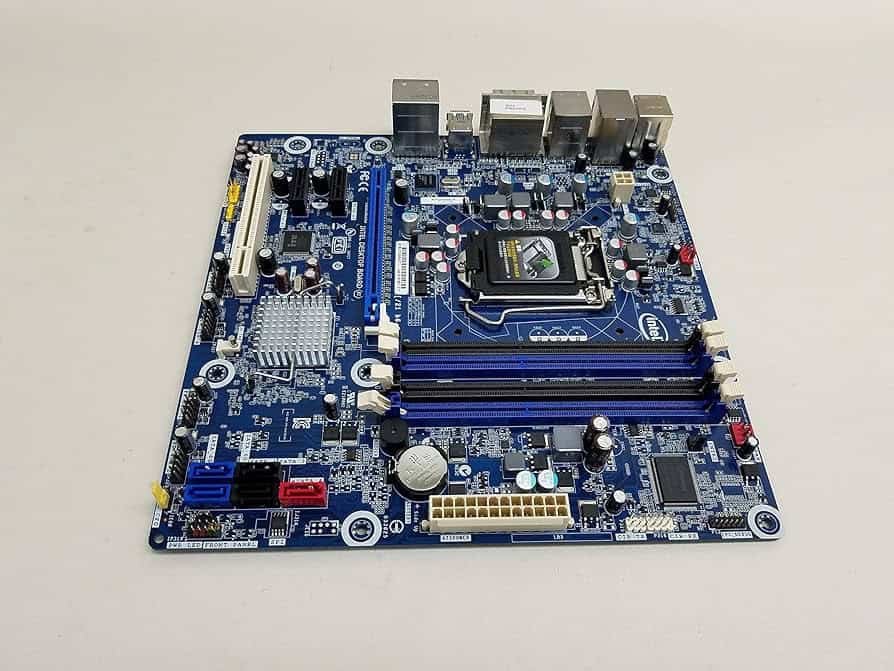
Motherboards occupy a unique position in the Refurbished vs New PC Parts discussion due to their complexity and central role in system functionality. These components integrate numerous subsystems and connection points, making them particularly susceptible to damage that may not be immediately apparent during basic testing procedures.
Socket and Connection Integrity
Physical damage to motherboard sockets and connectors represents a significant risk when considering Refurbished vs New PC Parts options. CPU sockets are particularly vulnerable to bent pins or damaged retention mechanisms that can prevent proper processor installation. Memory slots may suffer from worn contacts or damaged clips that cause intermittent connection issues. These problems might not surface during initial testing but can cause frustrating stability issues later.
Expansion slot integrity also factors into Refurbished vs New PC Parts motherboard decisions. PCIe slots subjected to repeated insertion and removal cycles may develop loose connections that affect graphics card or other expansion card performance. Visual inspection can reveal obvious damage, but subtle wear issues might only manifest under specific conditions or after extended use.
BIOS and Firmware Considerations
Firmware-related issues add complexity to the Refurbished vs New PC Parts motherboard evaluation process. Refurbished motherboards may have outdated BIOS versions that lack support for newer processors or memory configurations. Some refurbished boards might have modified firmware or settings that affect compatibility or performance. Updating BIOS firmware carries some risk and requires technical knowledge that not all users possess.
Additionally, certain enterprise motherboards appearing in the refurbished market may have management features or security settings that complicate home use. When weighing Refurbished vs New PC Parts for motherboards, consider the technical support availability and documentation quality, which is often superior for new products. The motherboard’s central role in system functionality often makes new purchases worthwhile despite the higher cost.
Refurbished Vs New Pc Parts: What Should You Avoid? 7
Graphics Cards: Performance vs Value Considerations
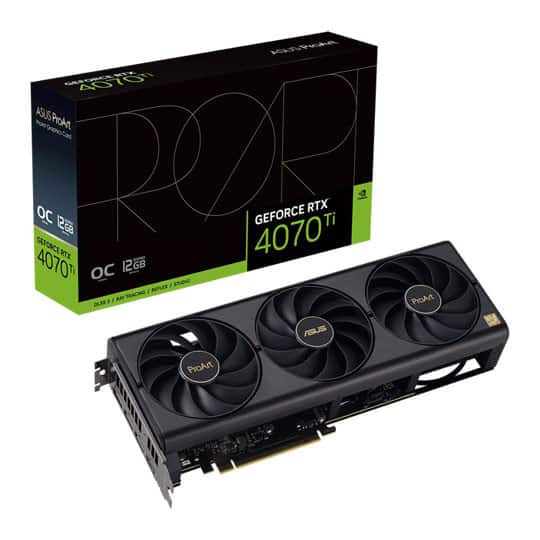
Graphics cards represent one of the most debated categories in Refurbished vs New PC Parts discussions. High-end graphics cards command premium prices, making refurbished options attractive for budget-conscious builders. However, graphics cards also face unique stresses that can affect their longevity and reliability.
Mining and High-Usage Concerns
The cryptocurrency mining boom has significantly impacted the Refurbished vs New PC Parts graphics card market. Cards used for mining operations typically run at high temperatures and utilization rates for extended periods, potentially accelerating component wear and reducing lifespan. While many mining cards continue to function adequately for gaming, their thermal cycling history may make them more prone to future failures.
Identifying ex-mining cards in the Refurbished vs New PC Parts marketplace can be challenging, as sellers don’t always disclose previous usage patterns. Visual inspection might reveal excessive dust accumulation or worn thermal pads, but internal damage from sustained high-temperature operation may not be apparent. The proliferation of ex-mining cards in refurbished markets requires extra caution when evaluating graphics card purchases.
Refurbished Vs New Pc Parts: What Should You Avoid? 8
Cooling System Integrity and Modifications
Graphics card cooling systems face particular scrutiny in Refurbished vs New PC Parts evaluations. Thermal paste degradation can significantly impact cooling performance, and replacement requires technical skill and proper materials. Some refurbished cards may have aftermarket cooling modifications that affect warranty coverage or system compatibility.
Fan bearings represent another potential failure point for refurbished graphics cards. While fans can be replaced, the process requires technical expertise and compatible replacement parts may not be readily available for older models. When considering Refurbished vs New PC Parts for graphics cards, factor in potential cooling system maintenance or replacement costs that might be required to maintain optimal performance.
Smart Purchasing Strategies for Refurbished Components
Successfully navigating the Refurbished vs New PC Parts landscape requires strategic thinking and careful evaluation of each component’s risk profile. Developing systematic approaches to component selection, seller evaluation, and risk mitigation helps maximize the benefits while minimizing potential problems.
Low-Risk Components Worth Considering
Certain component categories offer favorable risk-to-reward ratios in the Refurbished vs New PC Parts equation. These components typically have fewer wear-prone parts, longer service lives, or lower failure consequences that make refurbished options more attractive.
Memory Modules and Their Reliability Profile
RAM modules generally present low-risk opportunities in the Refurbished vs New PC Parts selection process. Memory has no moving parts and relatively simple electrical characteristics that make it less susceptible to gradual degradation. Quality memory modules often function reliably for many years, and failures typically manifest quickly rather than developing gradually over time.
Testing memory modules is straightforward using built-in diagnostic tools or specialized software, providing confidence in refurbished module functionality. When evaluating Refurbished vs New PC Parts for memory, focus on matching specifications exactly and purchasing from sellers who offer reasonable return policies. The significant cost savings available on refurbished memory often make it an attractive option for budget builds.
Cases and Accessories: Cosmetic vs Functional Value
Computer cases and basic accessories represent some of the safest Refurbished vs New PC Parts purchases. Cases have no electronic components and minimal wear-prone parts, making their refurbished condition primarily a cosmetic concern. Minor scratches or scuffs rarely affect functionality, and thorough cleaning can restore acceptable appearance in most cases.
Cable management accessories, brackets, and basic peripherals also carry minimal risk when purchased refurbished. These items typically either work or don’t, with little gray area for gradual degradation. When cost savings are significant, Refurbished vs New PC Parts decisions for cases and accessories often favor refurbished options, particularly for budget-conscious builds where aesthetics are secondary to functionality.
Seller Evaluation and Due Diligence
Success with Refurbished vs New PC Parts purchases depends heavily on choosing reputable sellers who maintain quality standards and provide adequate customer support. Developing criteria for seller evaluation helps identify trustworthy sources while avoiding problematic vendors.
Professional vs Individual Sellers
The source of refurbished components significantly impacts the Refurbished vs New PC Parts risk equation. Professional refurbishers typically have established processes for testing, cleaning, and certifying components before resale. They often provide detailed condition descriptions, testing procedures, and structured warranty programs that reduce purchase risks.
Individual sellers on auction sites or classified platforms may offer lower prices but typically provide limited quality assurance or warranty coverage. When choosing between Refurbished vs New PC Parts from individual sellers, extra caution is warranted. Look for detailed photos, honest condition descriptions, and sellers with established positive feedback histories. The lack of formal warranty protection makes thorough evaluation even more critical.
Warranty Terms and Return Policies
Warranty coverage represents a crucial factor in Refurbished vs New PC Parts purchasing decisions. Compare warranty terms not just on duration but also on coverage scope and claim procedures. Some refurbished warranties cover only complete failures while excluding gradual performance degradation or compatibility issues.
Return policies provide additional protection when evaluating Refurbished vs New PC Parts options. Look for sellers offering reasonable return windows that provide adequate time for thorough testing. Pay attention to return condition requirements and who bears return shipping costs, as these factors affect the total cost of ownership if problems arise.
Testing and Quality Assurance Procedures
Understanding seller testing procedures helps evaluate Refurbished vs New PC Parts quality levels. Reputable refurbishers often document their testing processes, providing transparency about what checks have been performed. Basic functionality testing may be adequate for simple components, while complex items like motherboards or graphics cards benefit from more comprehensive evaluation.
Some sellers provide test reports or benchmark results that demonstrate component performance levels. When comparing Refurbished vs New PC Parts options, this documentation can provide valuable insights into component condition and expected performance. However, be wary of sellers making performance claims without supporting documentation, as this may indicate less rigorous quality control processes.
Risk Mitigation Strategies
Even with careful selection, Refurbished vs New PC Parts purchases carry inherent risks that require mitigation strategies. Developing systematic approaches to risk management helps protect your investment while maximizing the benefits of refurbished components.
Component Testing and Validation Procedures
Immediate testing upon receipt is crucial for successful Refurbished vs New PC Parts purchases. Develop testing procedures appropriate for each component type, ranging from basic functionality checks to stress testing for critical components. Document baseline performance metrics that can help identify gradual degradation over time.
For complex components like graphics cards or processors, consider extended testing periods that simulate typical usage patterns. Some issues only manifest under specific conditions or after extended operation. When dealing with Refurbished vs New PC Parts, thorough initial testing within the return window provides the best opportunity to identify problems while recourse options remain available.
Building Balanced Systems with Mixed Components
Strategic mixing of new and refurbished components can optimize the Refurbished vs New PC Parts value proposition while managing risks. Consider purchasing critical components like power supplies and storage drives new while choosing refurbished options for memory, cases, or other lower-risk items. This approach balances cost savings with system reliability.
When building systems with mixed Refurbished vs New PC Parts, consider component interdependencies and failure consequences. A failing refurbished power supply could damage new components, while a failing refurbished graphics card typically only affects that component. Design your component selection strategy to minimize cascading failure risks while maximizing cost savings opportunities.
Making Informed Purchasing Decisions
The Refurbished vs New PC Parts decision process requires balancing multiple factors including cost, risk tolerance, system requirements, and long-term plans. Developing a systematic approach to these decisions helps ensure optimal outcomes while avoiding common pitfalls.
Cost-Benefit Analysis Framework
Effective Refurbished vs New PC Parts decisions require comprehensive cost-benefit analysis that extends beyond initial purchase prices. Factor in warranty differences, expected service life, potential maintenance costs, and replacement risks when evaluating total cost of ownership.
Consider your risk tolerance and the consequences of component failure when weighing Refurbished vs New PC Parts options. Mission-critical systems or those supporting professional work may justify premium prices for new components, while hobby builds or secondary systems might favor refurbished options. The analysis framework should reflect your specific circumstances and priorities rather than applying universal rules.
Long-term Value Considerations
Think beyond immediate savings when evaluating Refurbished vs New PC Parts decisions. A refurbished component that fails after 18 months may ultimately cost more than a new component lasting five years, especially when factoring in replacement time and system downtime. Consider your upgrade timeline and whether component longevity aligns with your planned system lifecycle.
Technology advancement rates also affect Refurbished vs New PC Parts value calculations. Rapidly evolving technologies like graphics processors may become obsolete before reliability becomes a major concern. Conversely, stable technologies like memory or storage may provide years of service, making reliability a more significant factor in the purchasing decision.
Component-Specific Recommendations
Based on the analysis throughout this guide, specific recommendations emerge for different component categories in the Refurbished vs New PC Parts decision matrix. These recommendations balance risk, cost savings potential, and typical usage requirements.
Memory modules, computer cases, and basic peripherals represent the best opportunities for Refurbished vs New PC Parts savings. These components typically offer substantial discounts with minimal reliability risks. Quality memory modules and well-built cases can provide years of reliable service regardless of their refurbished status.
Monitors also present good refurbished opportunities, particularly for secondary displays or budget builds. Display panels are typically reliable, and functionality issues are usually apparent immediately. When considering Refurbished vs New PC Parts for monitors, focus on pixel integrity, connection functionality, and acceptable cosmetic condition.
Approach with Caution: Moderate-Risk Components
Graphics cards, motherboards, and processors require careful evaluation in the Refurbished vs New PC Parts comparison. These components can offer significant savings but carry higher risks due to their complexity and potential for hidden damage. Success with these components depends heavily on seller reputation, testing procedures, and warranty coverage.
When considering these moderate-risk Refurbished vs New PC Parts options, invest extra time in seller research and component validation. Look for detailed condition descriptions, comprehensive testing procedures, and adequate warranty coverage. Consider the component’s role in your system and whether its failure would cause significant disruption or additional costs.
Generally Avoid: High-Risk Components
Power supplies and hard drives typically present unfavorable risk-to-reward ratios in the Refurbished vs New PC Parts evaluation. Power supply failures can damage other components, while hard drive failures can result in data loss. The relatively modest cost savings available on refurbished versions of these components rarely justify the increased risks.
Cooling components like CPU coolers and case fans also merit caution in Refurbished vs New PC Parts decisions. These components have moving parts subject to wear, and their failure can cause system instability or component damage. The low cost of new cooling components makes refurbished options less compelling from a value perspective.
Building Your Optimal Component Strategy
The Refurbished vs New PC Parts decision landscape requires careful navigation based on component-specific risks, your system requirements, and personal risk tolerance. Success comes from understanding each component’s failure modes, evaluating seller credibility, and implementing appropriate risk mitigation strategies.
Key Takeaways for Smart Component Selection
Effective Refurbished vs New PC Parts strategies focus on low-risk components offering substantial savings while avoiding high-risk items where failures could cascade to other system components. Memory, cases, and monitors typically provide excellent refurbished value, while power supplies and storage drives generally favor new purchases.
Seller selection and component testing represent critical success factors regardless of which Refurbished vs New PC Parts options you choose. Invest time in researching sellers, understanding warranty terms, and developing appropriate testing procedures for your refurbished components. These practices significantly improve success rates and help identify problems while recourse options remain available.
Building Long-term System Reliability
The most successful Refurbished vs New PC Parts strategies take a holistic view of system design and component interdependencies. Consider mixing new and refurbished components strategically, purchasing critical items new while choosing refurbished options for lower-risk components. This approach optimizes cost savings while maintaining overall system reliability.
Remember that the Refurbished vs New PC Parts landscape continues evolving as technology advances and market conditions change. Stay informed about component reliability trends, warranty improvements, and pricing dynamics that affect the value proposition of refurbished hardware. With careful planning and smart component selection, refurbished parts can provide excellent value while meeting your system performance and reliability requirements.
Your success with Refurbished vs New PC Parts ultimately depends on matching component selection to your specific needs, risk tolerance, and budget constraints. Use this guide as a framework for making informed decisions, but adapt the recommendations to your unique circumstances and requirements.
The Illusion of Stability in Modern Updates For most users, operating system updates are something that simply happen. They arrive quietly, often installing in the background, requiring little more than…
Macbook Neo, How Does It Compare To Air & Pro? Over the last few years the laptop market has experienced one of the most significant architectural changes in its history.…
Apple’s latest product announcements mark one of the most significant shifts in the Mac lineup in more than a decade. While Apple routinely updates its hardware with faster chips, incremental…
There is a particular kind of frustration that only a slow computer can produce. It is not dramatic. It is not urgent. It does not scream for attention. Instead, it…
In an era where nearly every aspect of personal computer maintenance and professional life is mediated through digital systems, your computer is no longer a luxury device — it is…
Phone says charging but battery not increasing is one of the most frustrating problems smartphone users face. You plug it in.The lightning bolt appears.It says “Charging.” But the battery percentage…
Apple’s rumour cycle always looks like a thousand disconnected leaks — until you line them up and notice the same themes repeating: AI-first silicon, camera and display differentiation, form-factor experiments (foldables / spatial…
Wi-Fi connected but no internet is one of the most frustrating messages you can see on a computer or laptop. The Wi-Fi icon shows full bars.It says “Connected.”But websites won’t…
Unfortunately, there was an error submitting your request.
Please try again later, or reach out to us directly. You can call us at +44 1429 280955 or email us at sales@kingfishercomputers.co.uk for assistance. We’re here to help you get your computer back up and running!
We’ve received your booking, Our team will get in touch with you shortly to confirm the details. You’re one step closer to having your computer fixed! If you have any urgent questions, feel free to contact us. Otherwise, sit back, and we’ll handle the rest.