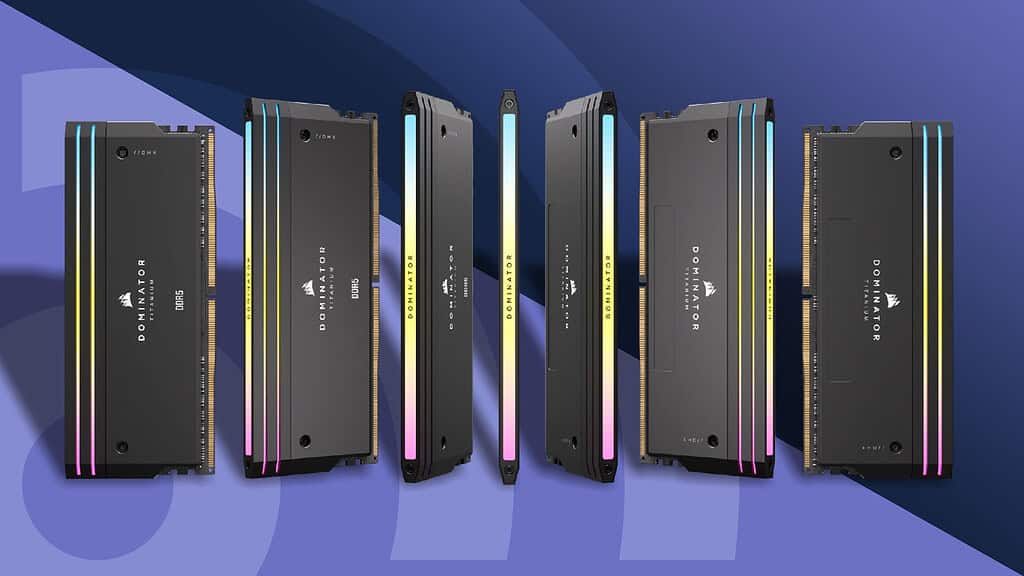
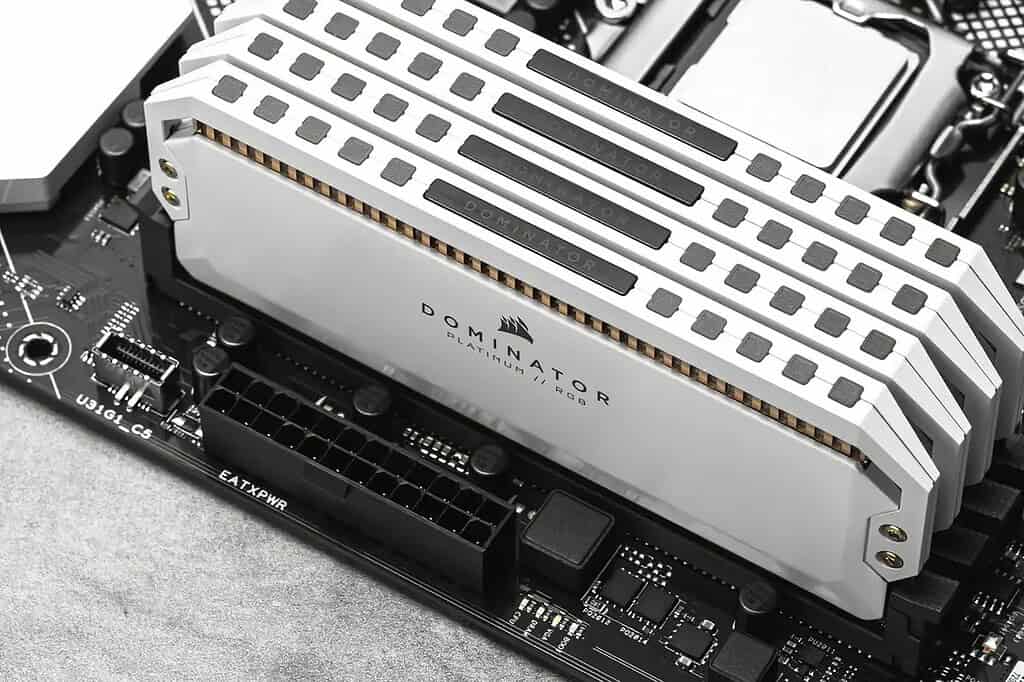
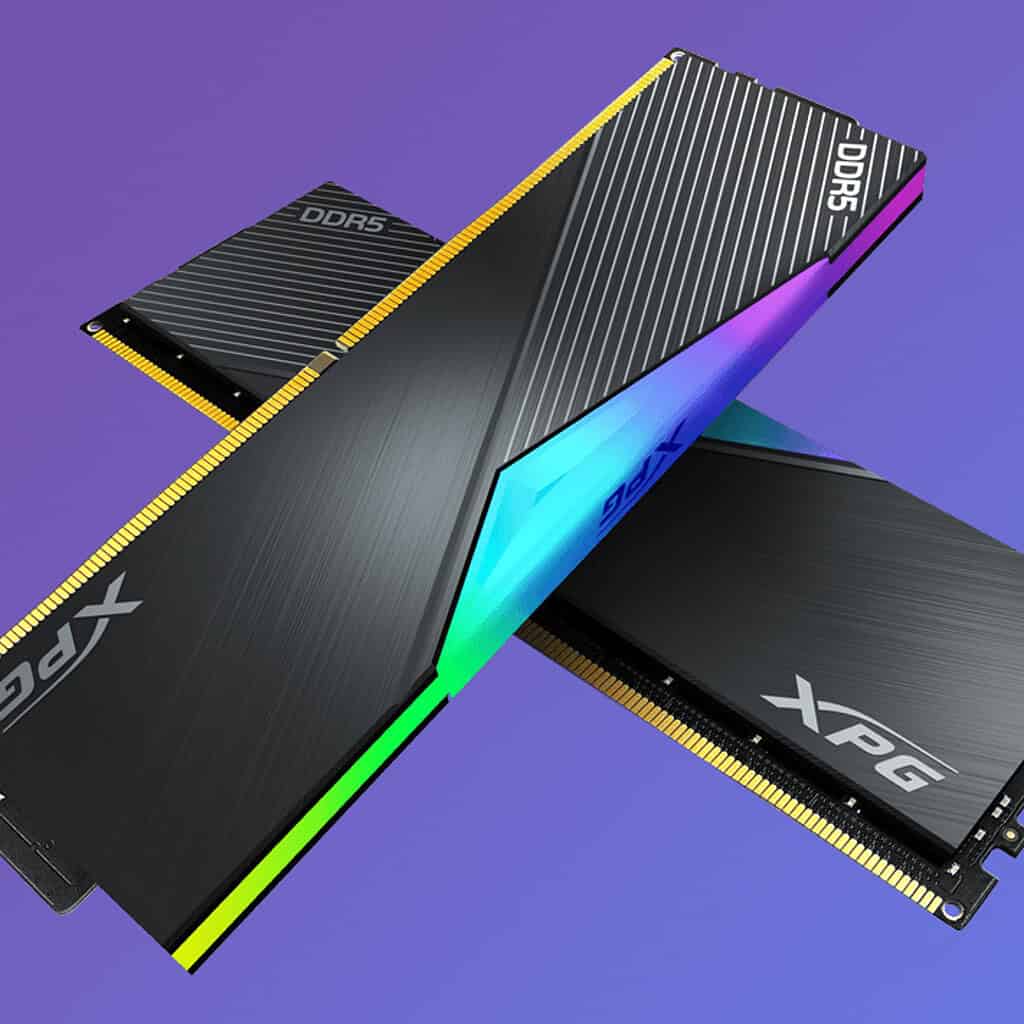
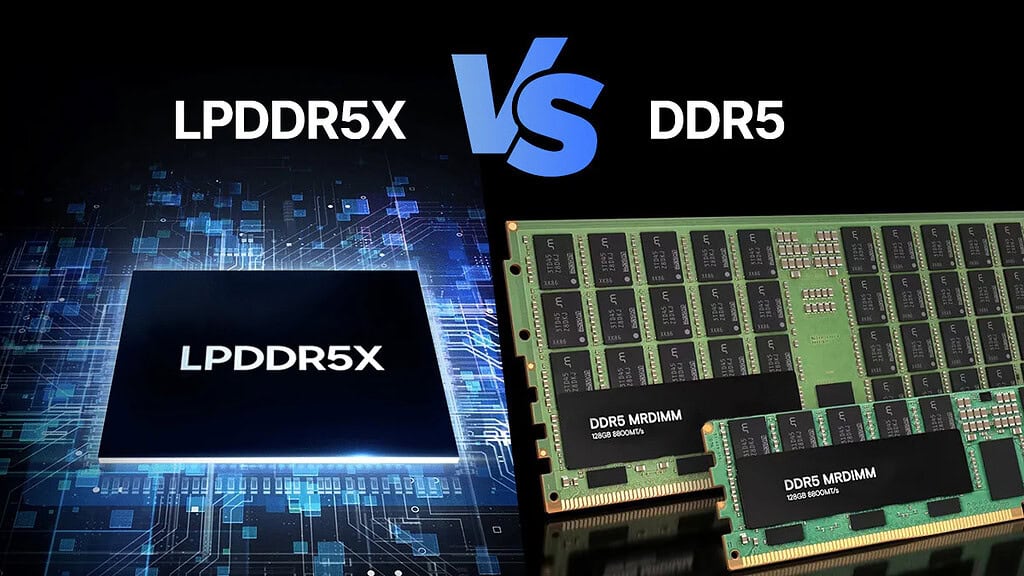
In the rapidly advancing world of technology, DDR5 has emerged as the newest, most powerful form of computer memory available today. As we move through 2025, many users and enthusiasts are asking if DDR5 is truly worth the upgrade. With improved performance, increased speeds, and enhanced efficiency, DDR5 certainly has strong selling points. But does this justify the upgrade from DDR4, especially considering the cost implications?
In this comprehensive guide, we’ll explore what DDR5 is, how it compares with its predecessor DDR4, and whether it’s genuinely worth the investment in 2025. We’ll examine real-world performance, compatibility issues, cost-benefit analysis, and more.
Ddr5 Ram: Is It Worth Upgrading In 2025? 5
Understanding DDR5 RAM: What Exactly Is It?
DDR5 (Double Data Rate 5 Random Access Memory) is the latest generation of RAM technology, succeeding DDR4. Released initially around 2021, DDR5 RAM has matured significantly by 2025, promising impressive improvements in bandwidth, power efficiency, and overall performance. Unlike DDR4, DDR5 supports faster data transfer rates, increased module capacities, and reduced power consumption—features highly beneficial for demanding tasks and next-generation computing needs.
DDR5 vs. DDR4: What’s the Difference?
DDR5 brings substantial improvements over DDR4. First, DDR5 supports much higher frequencies, starting typically from 4800 MHz and scaling upwards beyond 8000 MHz. In contrast, DDR4 RAM typically maxes out around 3600-4000 MHz in mainstream consumer applications. This increase in frequency translates directly to higher performance in applications, particularly gaming, content creation, and high-end computing tasks.
Moreover, DDR5 modules typically start at higher densities (8GB or 16GB per stick), supporting modules of up to 64GB per stick. This means systems using DDR5 can achieve higher total memory capacities more efficiently than DDR4, benefiting intensive multitasking scenarios and high-performance computing environments.
Ddr5 Ram: Is It Worth Upgrading In 2025? 6
Performance Gains: Does DDR5 RAM Really Improve Your Experience?
One of the most significant questions around DDR5 in 2025 revolves around actual, tangible performance improvements. Is upgrading to DDR5 truly noticeable in everyday computing?
For gaming enthusiasts, DDR5 does offer noticeable improvements, especially in games optimized for high-speed memory. Titles released after 2024 increasingly leverage DDR5, providing smoother gameplay, reduced loading times, and better overall responsiveness. In professional tasks like video editing, 3D rendering, and AI computations, DDR5 significantly accelerates workflows due to enhanced bandwidth and faster data handling capabilities.
However, average home users performing basic tasks—such as web browsing, email, or document editing—might see only minimal improvements when moving to DDR5 RAM, making the upgrade less critical for casual users.
Cost-Benefit Analysis: Is DDR5 RAM Worth the Price?
Despite its advantages, DDR5 still commands a premium price in 2025, especially compared to DDR4, which has become significantly cheaper over time. This price difference raises the question: Is the performance gain from DDR5 worth the additional cost?
For gamers, enthusiasts, or professionals requiring maximum performance and future-proofing their systems, investing in DDR5 can be justified. However, budget-conscious consumers and average home users might find it difficult to justify the extra expense given the incremental real-world benefits.
Ddr5 Ram: Is It Worth Upgrading In 2025? 7
Real-Life Scenarios: When Does DDR5 RAM Make Sense?
Let’s delve deeper into scenarios where DDR5 clearly stands out as beneficial in 2025:
Gaming and Enthusiast Builds
DDR5 RAM excels in gaming scenarios. High refresh rate gaming, particularly at 1440p and 4K, greatly benefits from faster RAM speeds provided by DDR5. Modern games optimized to leverage high-frequency RAM see substantial improvements in frame rates, reduced stuttering, and smoother gameplay experiences. Competitive gamers and enthusiasts chasing every possible advantage will likely find DDR5 RAM indispensable.
Professional Content Creation and Multimedia Editing
Professionals in creative fields greatly benefit from DDR5 RAM. Tasks like video editing, 3D rendering, and music production heavily utilize memory bandwidth, making DDR5 RAM an attractive choice. Productivity software suites from Adobe and Autodesk, for instance, operate noticeably smoother and faster when powered by DDR5 RAM, making workflows significantly more efficient.
High-Performance Computing and AI Applications
DDR5 is particularly beneficial in fields leveraging AI and machine learning. Data-intensive tasks involving large datasets, scientific simulations, and complex computations run significantly faster and more reliably with DDR5. Researchers and developers in AI fields will notice clear performance boosts, justifying the higher costs.
Everyday Users: A Tougher Sell
For casual users primarily engaged in standard computing tasks, the performance boost from DDR5 is generally minimal. Web browsing, streaming videos, and basic productivity tasks don’t significantly benefit from DDR5’s enhanced capabilities, making it difficult to justify the investment purely based on performance alone.
Ddr5 Ram: Is It Worth Upgrading In 2025? 8
Future-Proofing Your Build: Should You Choose DDR5 RAM?
Compatibility and Future Upgrades
Another consideration in 2025 is future-proofing. DDR5 RAM will undoubtedly become standard over the next few years. Users investing in a new system today might prefer DDR5 RAM simply to ensure compatibility with future upgrades. Most new motherboards and CPUs designed after 2023 increasingly support DDR5 exclusively, making it the safer long-term investment for new builds.
Upcoming Technologies and DDR5 RAM
Technologies such as PCIe 6.0, new CPU architectures, and improved graphics cards from NVIDIA, AMD, and Intel are optimized to work seamlessly with DDR5. Choosing DDR5 today might mean a smoother transition into adopting these upcoming technologies without bottlenecks or compatibility issues.
Longevity and System Stability
DDR5 RAM also offers better error correction and stability features compared to DDR4, which translates to a more stable computing experience. ECC (Error Correction Code) memory, more common in DDR5, improves system reliability, particularly valuable for mission-critical or professional applications.
DDR5 RAM: Investment or Overkill?
Ultimately, the decision to upgrade to DDR5 in 2025 depends heavily on your specific use-case scenarios. High-performance tasks and professional use cases greatly benefit from DDR5’s enhanced features, while casual users may find the improvements minimal for the extra cost.
Conclusion: Making the Decision to Upgrade to DDR5 RAM
Deciding whether DDR5 RAM is worth upgrading in 2025 hinges on performance needs, budget constraints, and long-term goals. Enthusiasts, gamers, and professionals working in demanding environments will likely find DDR5 a beneficial, future-proof choice. Casual users, however, might see limited benefits and could comfortably stick with DDR4 for the time being.
Whether you decide to upgrade or wait, DDR5 undeniably represents a significant technological step forward, marking the exciting evolution of computer performance in 2025 and beyond.
The Illusion of Stability in Modern Updates For most users, operating system updates are something that simply happen. They arrive quietly, often installing in the background, requiring little more than…
Macbook Neo, How Does It Compare To Air & Pro? Over the last few years the laptop market has experienced one of the most significant architectural changes in its history.…
Apple’s latest product announcements mark one of the most significant shifts in the Mac lineup in more than a decade. While Apple routinely updates its hardware with faster chips, incremental…
There is a particular kind of frustration that only a slow computer can produce. It is not dramatic. It is not urgent. It does not scream for attention. Instead, it…
In an era where nearly every aspect of personal computer maintenance and professional life is mediated through digital systems, your computer is no longer a luxury device — it is…
Phone says charging but battery not increasing is one of the most frustrating problems smartphone users face. You plug it in.The lightning bolt appears.It says “Charging.” But the battery percentage…
Apple’s rumour cycle always looks like a thousand disconnected leaks — until you line them up and notice the same themes repeating: AI-first silicon, camera and display differentiation, form-factor experiments (foldables / spatial…
Wi-Fi connected but no internet is one of the most frustrating messages you can see on a computer or laptop. The Wi-Fi icon shows full bars.It says “Connected.”But websites won’t…
Unfortunately, there was an error submitting your request.
Please try again later, or reach out to us directly. You can call us at +44 1429 280955 or email us at sales@kingfishercomputers.co.uk for assistance. We’re here to help you get your computer back up and running!
We’ve received your booking, Our team will get in touch with you shortly to confirm the details. You’re one step closer to having your computer fixed! If you have any urgent questions, feel free to contact us. Otherwise, sit back, and we’ll handle the rest.