The memory landscape has shifted dramatically with the introduction of DDR5 RAM, leaving many computer users questioning whether the time has come to make the upgrade leap. This next-generation memory technology promises significant performance improvements, enhanced efficiency, and future-proofing capabilities that could transform your computing experience. However, the decision to upgrade involves multiple considerations including cost, compatibility, performance gains, and timing within the broader technology adoption cycle.
Understanding whether you should upgrade to this new memory standard requires examining your current system’s performance, future computing needs, and the specific advantages this technology offers over its DDR4 predecessor. The transition period between memory generations always creates uncertainty, with early adopters paying premium prices while late adopters risk missing optimal upgrade windows. This comprehensive analysis will help you determine if DDR5 RAM represents a worthwhile investment for your specific computing requirements and budget constraints.
Understanding DDR5 RAM Technology and Its Advantages
The technical improvements in this next-generation memory represent more than incremental upgrades—they constitute fundamental advances in memory architecture and performance capabilities. These enhancements affect everything from raw data transfer speeds to power efficiency and system stability, creating compelling reasons for users to consider upgrading from older memory standards. The question isn’t whether DDR5 RAM is superior to previous generations, but rather whether its advantages justify the current costs and compatibility requirements.
Core Technical Improvements Over DDR4
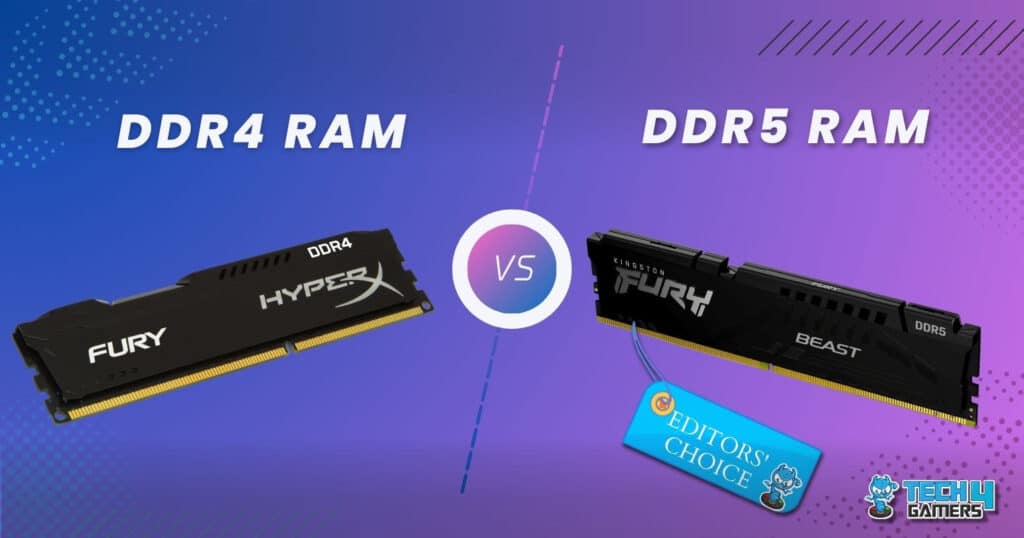
This new memory standard delivers substantial improvements in data transfer rates, starting at 4800 MT/s compared to DDR4’s typical range of 2133-3200 MT/s. This increased bandwidth translates to faster application loading times, improved multitasking performance, and enhanced responsiveness during memory-intensive operations. The architecture changes that enable these speed improvements also provide better signal integrity and reduced latency in many scenarios, making DDR5 RAM particularly beneficial for demanding applications like video editing, 3D rendering, and modern gaming.
Power efficiency represents another significant advancement in design, with operating voltages reduced from DDR4’s 1.2V to 1.1V. This reduction might seem modest, but it compounds across multiple memory modules and extended usage periods, resulting in measurable energy savings and reduced heat generation. Lower power consumption also enables higher memory densities and more aggressive performance configurations without exceeding thermal design limits, making this technology particularly attractive for compact systems and laptops where power efficiency is crucial.
The improved error correction capabilities enhance system stability and data integrity through on-die ECC (Error Correction Code) functionality. Unlike previous generations where error correction was primarily available in server and workstation memory, DDR5 RAM includes basic error detection and correction capabilities in consumer modules. This advancement reduces the likelihood of memory-related crashes and data corruption, providing more reliable computing experiences especially during intensive workloads or extended operation periods.
Is It Time To Upgrade To Ddr5 Ram? 5
Enhanced Capacity and Density Options
These new modules support significantly higher capacities than their DDR4 counterparts, with single modules available in 32GB and higher capacities that were previously difficult or impossible to achieve with older memory standards. This capacity expansion enables system configurations with 128GB or more of system memory using standard consumer motherboards, opening possibilities for memory-intensive applications that were previously limited by capacity constraints. Content creators, researchers, and power users benefit particularly from these expanded capacity options that DDR5 RAM provides.
The architectural improvements also enable better memory channel utilization and more efficient data access patterns. Dual-channel sub-channels within each memory module provide improved parallelism and reduced contention compared to DDR4’s single-channel approach per module. This enhancement becomes particularly apparent in applications that can effectively utilize multiple memory channels, such as video encoding, scientific simulations, and database operations where the new technology can demonstrate clear performance advantages.
Bank group and bank organization improvements reduce access conflicts and improve sustained throughput in complex memory access patterns. These architectural changes work behind the scenes to optimize memory performance without requiring application modifications, providing benefits that accumulate across various computing tasks and making DDR5 RAM more efficient even when applications aren’t specifically optimized for the new memory standard.
Real-World Performance Impact Assessment
Gaming performance improvements with DDR5 RAM vary significantly depending on specific games, graphics settings, and system configurations. CPU-limited scenarios often show the most dramatic improvements, particularly in simulation games, strategy titles, and esports games where frame rates can increase substantially with faster memory. However, GPU-limited scenarios may show minimal improvement, making the gaming benefits highly dependent on individual system configurations and game preferences.
Professional applications demonstrate more consistent benefits from upgrades, particularly in memory-bandwidth-intensive tasks like video editing, 3D rendering, and data analysis. Applications that work with large datasets, multiple high-resolution video streams, or complex 3D scenes often see substantial performance improvements with the increased bandwidth and capacity that the new memory provides. These professional use cases often justify the upgrade costs more easily than gaming-focused applications.
Productivity and multitasking scenarios benefit from both the increased bandwidth and expanded capacity options available with this technology. Users who regularly work with multiple applications simultaneously, virtual machines, or browser sessions with numerous tabs often experience improved responsiveness and reduced system slowdowns. The combination of faster access speeds and larger capacity options makes DDR5 RAM particularly valuable for users who demand smooth performance across diverse computing tasks.
Synthetic Benchmarks vs Real-World Usage
Synthetic benchmarks often show impressive improvements when comparing the new standard to DDR4, with memory bandwidth tests displaying increases of 50% or more in theoretical throughput. However, these synthetic results don’t always translate directly to real-world performance improvements, as many applications can’t fully utilize the additional bandwidth or are limited by other system components rather than memory performance. Understanding this distinction helps set realistic expectations for upgrade benefits.
Application-specific testing provides more accurate assessments of potential benefits for individual users. Video editing applications, for example, may show substantial improvements in timeline scrubbing and effects rendering, while web browsing and office applications may demonstrate minimal differences. Conducting research into benchmarks specific to your primary applications helps determine whether DDR5 RAM will provide meaningful benefits for your particular usage patterns.
Long-term performance trends also favor this technology as applications continue evolving to take advantage of increased memory bandwidth and capacity. Software developers gradually optimize applications for newer hardware capabilities, meaning the benefits may increase over time even in applications that show minimal current improvements. This forward-looking perspective adds value to upgrades beyond immediate performance gains.
Cost Analysis and Value Proposition
The financial considerations surrounding DDR5 RAM upgrades extend beyond simple module pricing to include platform costs, timing factors, and long-term value assessments. Early adopters typically pay premium prices for new memory technologies, but waiting too long can result in paying upgrade costs during less favorable market conditions or missing optimal performance improvement windows. Understanding the complete cost structure helps determine whether the technology represents good value for individual users.
Is It Time To Upgrade To Ddr5 Ram? 6
Current Pricing Trends and Market Maturity
Pricing has steadily decreased since initial launch, though it remains significantly more expensive than equivalent DDR4 capacity. The price premium varies by capacity and speed grades, with higher-performance modules commanding substantial premiums over baseline specifications. However, mainstream DDR5 RAM options have reached price points that make them reasonable considerations for users planning system upgrades or new builds.
Market maturity indicators suggest pricing will continue normalizing as production volumes increase and competition among manufacturers intensifies. Major memory producers have expanded production capacity substantially, creating more favorable supply conditions that should continue driving prices down. However, the rate of price reduction may slow as the technology matures and production costs stabilize at levels closer to long-term sustainable pricing.
Regional pricing variations can significantly affect upgrade economics, with some markets offering more favorable pricing due to local competition, import duties, or currency fluctuations. Monitoring pricing across multiple regions and retailers often reveals opportunities to reduce upgrade costs, particularly for users willing to purchase from international suppliers or time purchases to coincide with promotional events.
Platform Upgrade Requirements and Total Costs
Upgrading to DDR5 RAM typically requires simultaneous motherboard and processor upgrades, as the memory standard requires compatible platform support. This requirement significantly increases total upgrade costs beyond memory module pricing alone, making upgrades major system overhauls rather than simple component swaps. Users must factor these additional costs when evaluating the economic viability of memory upgrades.
Motherboard selection affects both immediate upgrade costs and future expansion possibilities. Entry-level motherboards may support basic functionality while lacking features like advanced overclocking support or maximum capacity configurations. Investing in higher-quality motherboards provides better long-term value for implementations but increases immediate upgrade costs significantly.
Processor compatibility considerations also influence total upgrade costs, as support varies among processor generations and models. Some processors provide full support while others offer limited compatibility or suboptimal performance with certain memory configurations. Understanding these compatibility nuances helps avoid upgrade scenarios where DDR5 RAM capabilities are constrained by processor limitations.
Return on Investment Calculations
Productivity improvements from DDR5 RAM upgrades can provide quantifiable returns for professional users whose time savings translate directly to economic benefits. Video editors, software developers, and data analysts often see substantial time savings in rendering, compilation, and processing tasks that justify upgrade costs through improved efficiency. Calculating these time savings and their economic value helps assess whether upgrades make financial sense for professional applications.
Gaming performance improvements are harder to quantify economically but may provide value through enhanced experiences and future-proofing benefits. Competitive gamers might justify upgrades through improved frame rates and reduced input latency, while casual gamers may find the costs harder to justify based on performance improvements alone. The subjective nature of gaming benefits makes economic justification more challenging but not impossible for dedicated enthusiasts.
Long-term value propositions include extended system lifecycles and delayed replacement costs through improved future software compatibility. Systems with modern memory may remain viable longer as applications evolve to utilize increased memory capabilities, potentially deferring major system replacements by several years. This extended lifecycle value can help justify higher initial upgrade costs by spreading them across longer usage periods.
The improved power efficiency translates to reduced electricity costs over the memory’s operational lifetime, particularly in systems that operate continuously or for extended periods daily. While individual savings may seem modest, they accumulate over years of operation and across multiple systems in business environments. These operating cost reductions help offset higher initial purchase prices for DDR5 RAM upgrades.
Thermal efficiency improvements can reduce cooling requirements and associated energy costs in some system configurations. Lower memory operating temperatures may enable quieter cooling solutions or reduced fan speeds, providing both energy savings and improved user experiences. These secondary benefits add value to upgrades beyond direct performance improvements.
System stability improvements from error correction capabilities can reduce support costs and productivity losses from memory-related crashes and data corruption. While difficult to quantify precisely, improved reliability provides economic value through reduced downtime and support requirements, particularly in business environments where system failures create direct economic losses.
Compatibility and Implementation Considerations
Successfully implementing DDR5 RAM upgrades requires understanding compatibility requirements, installation procedures, and optimization techniques that maximize the technology’s benefits. Unlike simple component swaps, these upgrades often involve multiple system changes that affect compatibility, performance, and long-term upgradeability. Proper planning and implementation ensure that investments deliver expected benefits without creating new system limitations or complications.
Platform Requirements and Limitations
The new memory standard requires motherboard chipsets specifically designed to support the technology, making platform compatibility the primary constraint for upgrade planning. Intel’s 12th generation and newer processors provide native support, while AMD’s AM5 platform includes comprehensive compatibility across their Ryzen 7000 series and newer processors. Users with older platforms cannot utilize DDR5 RAM without complete platform upgrades.
Memory controller capabilities vary among processors even within compatible generations, affecting maximum supported speeds, capacities, and configuration options. Some processors support higher speeds through overclocking while others are limited to JEDEC standard speeds. Understanding these processor-specific limitations helps select appropriate configurations that match system capabilities without overspending on unused performance potential.
Motherboard implementation quality significantly affects performance and compatibility, particularly for high-speed or high-capacity configurations. Premium motherboards typically provide better signal integrity, more robust power delivery, and superior overclocking support, while budget options may limit performance or capacity potential. Selecting motherboards that match performance goals ensures optimal implementation results.
BIOS and Firmware Considerations
Compatibility often depends on BIOS versions and firmware updates that provide proper initialization and configuration support. Motherboard manufacturers regularly release updates that improve compatibility, performance, and stability, making firmware maintenance crucial for optimal results. Users should verify BIOS compatibility before purchasing DDR5 RAM and plan for potential update requirements during installation.
Memory training and initialization procedures can require longer boot times and multiple restart cycles as systems optimize memory configurations. These procedures are normal aspects of implementation but may concern users expecting immediate functionality after installation. Understanding these initialization requirements helps set appropriate expectations and avoid troubleshooting concerns during upgrades.
Overclocking support varies significantly among motherboard BIOS implementations, with some providing extensive manual controls while others offer limited automated options. Users planning to utilize high-performance configurations should research motherboard overclocking capabilities and BIOS features to ensure compatibility with their performance goals and technical expertise levels.
Installation and Configuration Best Practices
Installation follows similar physical procedures to previous memory generations but requires attention to specific compatibility and configuration details. Module orientation, socket alignment, and retention clip engagement remain critical for proper installation, while new considerations include verifying motherboard support for specific speeds and timings. Proper installation procedures ensure reliable operation and optimal performance from DDR5 RAM upgrades.
Configuration optimization often involves BIOS settings that enable manufacturer-specified performance profiles or manual timing adjustments for advanced users. Many modules include XMP (Extreme Memory Profile) or similar automatic configuration options that simplify setup while ensuring proper operation. Utilizing these automated profiles provides optimal performance without requiring detailed technical knowledge of memory timing parameters.
Capacity planning for upgrades should consider both immediate needs and future expansion possibilities, as memory pricing and availability can change significantly over time. Installing full target capacity initially often provides better value than incremental upgrades, while planning for future capacity increases ensures motherboard and platform compatibility with expansion goals. Strategic capacity planning maximizes investment value over extended periods.
Troubleshooting Common Implementation Issues
Compatibility problems often manifest as boot failures, system instability, or reduced performance compared to specifications. These issues frequently result from incorrect BIOS settings, incompatible speed configurations, or insufficient power delivery rather than defective memory modules. Systematic troubleshooting approaches help identify and resolve implementation problems without unnecessary component replacements.
Memory testing procedures should include both built-in diagnostic tools and third-party testing applications that verify stability across various operating conditions. Extended stress testing helps identify intermittent stability issues that might not appear during normal operation, ensuring reliable DDR5 RAM performance over time. Proper testing procedures provide confidence in system stability and performance consistency.
Performance validation involves comparing actual results against expected improvements based on specifications and benchmarks. Monitoring tools can verify that memory operates at intended speeds and timings while performance testing confirms expected improvements in relevant applications. This validation process ensures that upgrades deliver anticipated benefits and justify their costs.
The decision to upgrade to DDR5 RAM involves more than immediate performance benefits—it requires considering long-term technology trends, software evolution, and platform longevity that affect system viability over multiple years. Understanding these future-oriented factors helps determine whether the technology represents a strategic investment that will provide value throughout extended ownership periods or merely an expensive upgrade with limited long-term benefits.
Is It Time To Upgrade To Ddr5 Ram? 7
Software Evolution and Memory Requirements
Application memory requirements continue increasing as software becomes more sophisticated and feature-rich, making capacity advantages particularly valuable for long-term system viability. Modern applications regularly consume multiple gigabytes of memory, while professional software and content creation tools may require 32GB or more for optimal performance. The expanded capacity options available help ensure systems remain capable of running future software without memory-related limitations.
Gaming requirements have evolved to utilize larger memory pools for texture streaming, world data, and background processing tasks that improve user experiences. While current games may not fully utilize DDR5 RAM capabilities, future titles will likely take advantage of increased bandwidth and capacity to deliver enhanced graphics, larger game worlds, and more complex simulations. Early adoption positions gaming systems to handle these evolving requirements without additional upgrades.
Virtual reality and augmented reality applications represent emerging categories that may particularly benefit from modern memory capabilities as these technologies mature and become mainstream. The high-resolution displays, complex 3D environments, and real-time processing requirements of VR and AR applications create substantial memory demands that the new technology is better positioned to handle compared to older memory standards.
Operating System and Driver Optimizations
Operating system developers continue optimizing memory management and utilization to take advantage of newer memory technologies. These optimizations may not provide immediate benefits but will gradually improve system performance and efficiency as updates are released and adopted. Users with DDR5 RAM will benefit from these optimizations without additional upgrades, providing ongoing value from their memory investments.
Driver and firmware updates for compatible platforms regularly improve compatibility, performance, and feature support as manufacturers refine their implementations and address user feedback. These updates can provide substantial improvements in performance and stability over time, making early adoption more valuable as software support matures and optimizations are implemented.
Security enhancements and privacy features may increasingly rely on memory capabilities that modern standards provide more effectively than older technologies. As security requirements evolve and new threats emerge, having current memory technology ensures compatibility with advanced protection mechanisms and security frameworks that may be developed for future computing environments.
Technology Adoption Cycles and Timing
Memory technology adoption typically follows predictable cycles where early adoption carries premium costs while delayed adoption may result in purchasing decisions during less favorable market conditions. DDR5 RAM has moved beyond initial early-adopter phases but hasn’t yet reached full market maturity, creating current timing that balances reasonable pricing with proven technology. Understanding adoption cycle timing helps optimize purchase decisions.
Platform longevity considerations favor adoption as major processor manufacturers have committed to supporting the standard across multiple generation releases. This commitment suggests that compatible platforms will remain current and receive continued support for several years, providing extended value from upgrade investments. Conversely, DDR4 platforms may face earlier obsolescence as manufacturer focus shifts to newer technologies.
Industry trends toward higher memory capacities and bandwidth requirements in professional applications, gaming, and consumer software suggest that capabilities will become increasingly valuable over time. Organizations and individuals who adopt DDR5 RAM now position themselves advantageously for these evolving requirements without facing urgent upgrade pressures when demand increases and prices potentially rise.
Investment Protection Strategies
Selecting configurations that provide headroom for future requirements helps protect upgrade investments by extending their useful lifespans. Choosing higher capacity or speed grades than immediately necessary creates buffers against evolving software requirements and delays the need for additional memory upgrades. This approach requires balancing immediate costs against long-term value and upgrade delay benefits.
Motherboard selection affects long-term upgrade paths and expansion possibilities, making platform choice crucial for investment protection. Motherboards with robust memory support, multiple expansion slots, and manufacturer commitment to long-term BIOS updates provide better foundations for investments and future system evolution. Platform selection significantly impacts the long-term value of DDR5 RAM upgrades.
Manufacturer warranty and support considerations become important for investments intended for extended service periods. Selecting modules from manufacturers with strong warranty coverage and technical support helps protect investments and ensures assistance if compatibility or performance issues develop over time. Quality manufacturer selection provides additional security for upgrade investments.
Decision Framework: Should You Upgrade Now?
Making the optimal decision about upgrading to DDR5 RAM requires systematically evaluating your current system status, usage requirements, budget constraints, and future plans. This decision framework helps organize the various factors that influence upgrade timing and determines whether current conditions favor making the transition or waiting for more favorable circumstances. The framework accounts for both technical and economic considerations that affect upgrade value.
Is It Time To Upgrade To Ddr5 Ram? 8
Assessing Your Current System and Needs
Performance analysis of your existing system helps identify whether upgrades will provide meaningful benefits for your specific usage patterns. Users experiencing memory-related performance bottlenecks, capacity limitations, or system stability issues are more likely to benefit from DDR5 RAM upgrades than those with systems that already meet their performance requirements adequately. Honest assessment of current performance helps determine upgrade necessity versus desire.
Application requirements evaluation considers both current software needs and anticipated future requirements that might justify upgrades. Professional users working with memory-intensive applications, content creators handling large files, and gamers playing demanding titles may find immediate benefits from upgrades. Conversely, users with modest computing requirements may find limited justification for upgrade costs and complexity.
System age and upgrade timing considerations affect whether memory upgrades make strategic sense within broader system lifecycles. Users with relatively new systems that otherwise meet their needs might benefit from waiting for more favorable pricing or more mature platform options. Conversely, users planning major system upgrades may find adoption logical as part of comprehensive updates.
Budget and Value Assessment
Total cost analysis for upgrades must include all required components and implementation expenses rather than focusing solely on memory module pricing. Platform upgrades, installation costs, and potential software licensing requirements can significantly increase total upgrade expenses. Comprehensive cost analysis ensures realistic budget planning and accurate value assessment for DDR5 RAM upgrades.
Value proposition evaluation compares upgrade costs against expected benefits in terms of performance improvements, extended system lifecycle, and enhanced capabilities. Users who can quantify productivity improvements or competitive advantages may find easier justification for the investment compared to those seeking primarily subjective improvements. Clear value propositions support confident upgrade decisions.
Alternative investment considerations examine whether upgrade budgets might provide better value when applied to different system improvements like storage upgrades, graphics card improvements, or peripheral enhancements. Comparing potential benefits across different upgrade options helps ensure that DDR5 RAM represents the best use of available upgrade budgets for individual users.
Timing Optimization Strategies
Market timing analysis considers current pricing trends, availability, and expected future developments that might affect upgrade economics. Users with flexibility in upgrade timing may benefit from waiting for more favorable pricing or improved product offerings, while those with immediate needs may find current conditions acceptable for proceeding with upgrades.
Technology roadmap awareness helps time upgrades to align with favorable product cycles and avoid purchasing just before significant improvements or price reductions. Understanding manufacturer release schedules and industry development trends provides context for optimal upgrade timing decisions.
Personal circumstance alignment ensures that upgrade timing matches individual financial cycles, project schedules, and availability for implementation and troubleshooting activities. Optimal timing considers both market conditions and personal readiness to successfully complete and utilize DDR5 RAM upgrades.
Risk Assessment and Mitigation
Compatibility risk evaluation considers the potential for implementation problems and their impact on system functionality and project timelines. Users with critical system dependencies or limited technical support resources may prefer waiting for more mature ecosystems with proven compatibility and reduced implementation risks.
Financial risk assessment examines the potential for price reductions or alternative technologies that might affect upgrade value over time. While predicting future market conditions is impossible, understanding potential risks helps make informed decisions about upgrade timing and component selection strategies.
Performance risk analysis considers whether upgrades might fail to deliver expected benefits due to system limitations, application compatibility, or other factors beyond memory performance. Setting realistic expectations and understanding potential limitations helps avoid disappointment and ensures satisfied outcomes from DDR5 RAM upgrade investments.
Making Your DDR5 RAM Decision
The decision to upgrade to DDR5 RAM ultimately depends on your specific combination of performance needs, budget constraints, system requirements, and timing preferences. While the technology offers clear technical advantages over previous memory generations, these benefits may not justify upgrade costs for all users or system configurations. The key lies in honestly assessing your individual circumstances and matching them against the capabilities and costs associated with implementation.
Key Decision Points Summary
Users who will benefit most from upgrades typically fall into categories including content creators working with large files, professionals using memory-intensive applications, gaming enthusiasts seeking maximum performance, and forward-looking users building systems intended for extended service periods. These user groups can often justify costs through productivity improvements, competitive advantages, or long-term value propositions that outweigh immediate expense concerns.
Conversely, users with modest computing requirements, tight budget constraints, or systems that already meet their performance needs adequately may find DDR5 RAM upgrades difficult to justify economically. These users might benefit from waiting for more favorable pricing, more mature ecosystem support, or until their computing requirements evolve to better match capabilities and justify upgrade investments.
Platform considerations significantly influence upgrade decisions, as the requirement for compatible motherboards and processors often makes memory upgrades part of larger system overhauls. Users planning comprehensive system upgrades may find adoption natural and valuable, while those hoping for simple component swaps will discover that the technology requires more extensive changes than initially anticipated.
Implementation Recommendations
Users who decide to proceed with upgrades should prioritize thorough compatibility research, budget planning that includes all required components, and realistic performance expectations based on their specific applications and usage patterns. Successful implementations require attention to platform selection, proper installation procedures, and optimization techniques that maximize the technology’s benefits.
Timing strategies for adoption should consider both market conditions and individual readiness for implementation and potential troubleshooting requirements. Users with flexibility in upgrade timing may benefit from monitoring pricing trends and waiting for optimal purchasing windows, while those with immediate needs should focus on selecting proven configurations with strong compatibility and support.
Long-term planning for investments should include consideration of future upgrade paths, platform longevity, and evolving software requirements that will affect system viability over extended periods. Strategic DDR5 RAM adoption can provide excellent long-term value when properly planned and implemented, making the upgrade decision worthwhile for users who approach it systematically and realistically.
The upgrade question will eventually resolve itself as the technology becomes mainstream and DDR4 platforms become obsolete. However, the timing of individual upgrade decisions can significantly affect the value and satisfaction derived from memory investments. By carefully evaluating personal requirements against capabilities and costs, users can make informed decisions that optimize their computing experiences and budgets effectively.
The Illusion of Stability in Modern Updates For most users, operating system updates are something that simply happen. They arrive quietly, often installing in the background, requiring little more than…
Macbook Neo, How Does It Compare To Air & Pro? Over the last few years the laptop market has experienced one of the most significant architectural changes in its history.…
Apple’s latest product announcements mark one of the most significant shifts in the Mac lineup in more than a decade. While Apple routinely updates its hardware with faster chips, incremental…
There is a particular kind of frustration that only a slow computer can produce. It is not dramatic. It is not urgent. It does not scream for attention. Instead, it…
In an era where nearly every aspect of personal computer maintenance and professional life is mediated through digital systems, your computer is no longer a luxury device — it is…
Phone says charging but battery not increasing is one of the most frustrating problems smartphone users face. You plug it in.The lightning bolt appears.It says “Charging.” But the battery percentage…
Apple’s rumour cycle always looks like a thousand disconnected leaks — until you line them up and notice the same themes repeating: AI-first silicon, camera and display differentiation, form-factor experiments (foldables / spatial…
Wi-Fi connected but no internet is one of the most frustrating messages you can see on a computer or laptop. The Wi-Fi icon shows full bars.It says “Connected.”But websites won’t…
Unfortunately, there was an error submitting your request.
Please try again later, or reach out to us directly. You can call us at +44 1429 280955 or email us at [email protected] for assistance. We’re here to help you get your computer back up and running!
We’ve received your booking, Our team will get in touch with you shortly to confirm the details. You’re one step closer to having your computer fixed! If you have any urgent questions, feel free to contact us. Otherwise, sit back, and we’ll handle the rest.