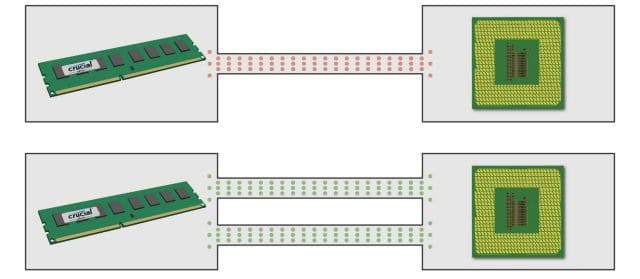
Random Access Memory (RAM) serves as your computer’s short-term memory, temporarily storing data that your processor needs quick access to during operation. While most users understand the importance of having sufficient RAM capacity, fewer realize that the configuration of their memory can significantly impact system performance. Dual-Channel RAM represents one of the most effective yet underutilized methods for enhancing computer performance without spending significant money on hardware upgrades.
Dual-Channel RAM technology enables your system to access two memory modules simultaneously, effectively doubling the data pathway between your processor and memory. This configuration can provide substantial performance improvements in various computing scenarios, from everyday tasks like web browsing and document editing to demanding applications such as video editing, gaming, and scientific computing. Understanding how Dual-Channel RAM works and implementing it correctly can transform your computing experience while maximizing the value of your existing hardware investment.
Understanding the Fundamentals of Dual-Channel RAM Architecture
The concept behind Dual-Channel RAM lies in parallel processing principles that have driven computer advancement for decades. Traditional single-channel memory configurations create a bottleneck where your processor must wait for data transfers to complete before initiating new requests. Dual-Channel RAM eliminates this limitation by providing two independent pathways for data transfer, allowing your system to handle multiple memory operations simultaneously.
Modern processors contain integrated memory controllers designed specifically to take advantage of Dual-Channel RAM configurations. These controllers can coordinate memory access patterns to maximize efficiency, ensuring that while one memory module handles a read operation, the other can simultaneously process a write operation. This parallel processing capability becomes particularly valuable in applications that require frequent memory access, such as real-time video processing, large database operations, and complex mathematical calculations.
The Technical Architecture Behind Dual-Channel Memory
Dual-Channel RAM operates through a sophisticated coordination system built into your motherboard’s memory controller. When you install two compatible memory modules in the correct slots, the controller recognizes the configuration and automatically enables dual-channel mode. Each memory channel operates independently, with its own set of data lines, address lines, and control signals. This independence allows the system to interleave memory access patterns, effectively hiding the latency of one channel behind the active operations of the other.
The memory controller divides data between the two channels using various algorithms, typically distributing consecutive memory addresses across alternating channels. This approach, known as interleaving, ensures that sequential memory accesses utilize both channels efficiently. For example, when your processor requests a large block of data, the memory controller simultaneously retrieves portions from both channels, delivering the complete dataset faster than would be possible with a single channel.
What Is Dual-Channel Ram And Why Does It Matter? 6
Performance Benefits Across Different Computing Scenarios
Dual-Channel RAM provides measurable performance improvements across a wide range of computing tasks. In gaming applications, dual-channel configurations can reduce frame time variance and improve minimum frame rates, particularly in CPU-intensive games or when using integrated graphics. Video editing applications benefit from faster preview rendering and reduced encoding times, while productivity software experiences quicker file loading and smoother multitasking performance.
Professional applications often show the most dramatic improvements from Dual-Channel RAM implementations. Scientific computing software, 3D rendering applications, and database management systems frequently exhibit 15-30% performance gains when configured with dual-channel memory. Even basic productivity tasks like opening large spreadsheets or switching between multiple applications become noticeably more responsive with properly configured Dual-Channel RAM.
How to Implement Dual-Channel RAM in Your System
Implementing Dual-Channel RAM requires careful attention to compatibility, configuration, and installation procedures. Success depends on selecting appropriate memory modules, installing them in the correct motherboard slots, and verifying proper operation through system diagnostics. While the process appears straightforward, several common mistakes can prevent systems from achieving optimal dual-channel performance.
Selecting Compatible Memory Modules for Dual-Channel Operation
The foundation of effective Dual-Channel RAM implementation begins with selecting compatible memory modules. While modern systems can often operate mismatched memory in dual-channel mode, optimal performance requires identical or closely matched modules. This matching extends beyond simple capacity considerations to include speed ratings, timing parameters, and voltage requirements.
Memory Specification Matching Requirements
For optimal Dual-Channel RAM performance, select memory modules with identical specifications whenever possible. This includes matching capacity (8GB + 8GB rather than 8GB + 4GB), speed ratings (DDR4-3200 + DDR4-3200), and timing parameters (CAS latency, RAS-to-CAS delay, and other subtimings). While systems can operate with mismatched modules, the memory controller will typically run both modules at the specifications of the slower module, potentially limiting performance gains.
What Is Dual-Channel Ram And Why Does It Matter? 7
Voltage requirements represent another crucial matching criterion for Dual-Channel RAM implementations. Memory modules operating at different voltages can cause stability issues or prevent the system from achieving dual-channel operation. Most modern DDR4 modules operate at 1.2V or 1.35V, while older DDR3 modules typically require 1.5V or 1.35V. Mixing modules with different voltage requirements can lead to system instability or reduced performance.
Motherboard Slot Configuration and Installation
Dual-Channel RAM requires specific motherboard slot configurations to function correctly. Most modern motherboards clearly mark memory slots with color coding or numbering systems to indicate proper dual-channel pairing. Typically, you’ll install memory modules in alternating slots (slots 1 and 3, or slots 2 and 4) rather than adjacent slots to enable dual-channel operation.
Before installing memory modules, consult your motherboard manual to identify the correct slot configuration for Dual-Channel RAM. Some motherboards require specific installation orders, particularly when using four memory slots. Installing modules in incorrect slots will result in single-channel operation, negating the performance benefits of dual-channel configuration. After installation, verify dual-channel operation through system information utilities or BIOS settings.
Verifying and Optimizing Dual-Channel Performance
After installing Dual-Channel RAM, verification and optimization ensure that your system achieves maximum performance benefits. This process involves checking system recognition of the dual-channel configuration, testing memory performance, and fine-tuning settings for optimal operation.
System Verification Methods
Multiple methods exist for verifying Dual-Channel RAM operation in your system. Windows Task Manager provides basic memory information, including the number of slots used and total capacity. For more detailed information, CPU-Z offers comprehensive memory specifications, including channel configuration, timing parameters, and actual operating speeds. The BIOS or UEFI firmware also typically displays memory configuration information during system startup or in dedicated hardware monitoring sections.
Performance benchmarking tools provide quantitative measurements of Dual-Channel RAM effectiveness. Memory bandwidth benchmarks like AIDA64 or PassMark MemTest86 can demonstrate the practical performance improvements achieved through dual-channel configuration. These tools measure both theoretical maximum bandwidth and real-world performance across various access patterns, helping you understand the actual benefits of your Dual-Channel RAM implementation.
Fine-Tuning Memory Settings for Maximum Performance
Modern systems offer numerous options for optimizing Dual-Channel RAM performance beyond basic installation. Memory overclocking can provide additional performance gains, though it requires careful attention to stability and cooling. XMP (Extreme Memory Profile) settings enable automatic optimization of memory timing and voltage parameters, often providing significant performance improvements with minimal risk.
What Is Dual-Channel Ram And Why Does It Matter? 8
Advanced users can manually adjust memory timing parameters to extract additional performance from their Dual-Channel RAM configuration. This process involves modifying primary timings (CAS latency, RAS-to-CAS delay, RAS precharge) and secondary timings (command rate, refresh cycle time) to achieve optimal performance for specific applications. However, manual timing adjustments require extensive testing to ensure system stability and may void warranty coverage.
Common Misconceptions and Troubleshooting Dual-Channel Issues
Despite its benefits, Dual-Channel RAM implementations sometimes encounter issues that prevent optimal performance. Understanding common problems and their solutions helps ensure successful dual-channel operation and maximum performance gains.
Addressing Compatibility and Stability Issues
Dual-Channel RAM compatibility issues often stem from mismatched memory modules or incorrect installation procedures. When systems fail to recognize dual-channel configuration, the first troubleshooting step involves verifying that identical memory modules are installed in the correct motherboard slots. If problems persist, try installing one module at a time to identify potentially defective hardware.
Memory stability problems in Dual-Channel RAM configurations can result from inadequate power supply capacity, excessive overclocking, or thermal issues. Ensure that your power supply provides sufficient capacity for your system’s total power requirements, including memory modules. Reduce memory speeds or loosen timing parameters if stability issues persist. Adequate case ventilation helps prevent thermal throttling that can affect memory performance and stability.
Maximizing Performance Across Different Applications
Dual-Channel RAM benefits vary significantly across different software applications and usage patterns. Understanding these variations helps set realistic expectations and optimize system configuration for specific use cases. Gaming applications typically show modest improvements in average frame rates but more significant reductions in frame time variance and loading times.
Professional applications often demonstrate the most dramatic improvements from Dual-Channel RAM implementations. Video editing software benefits from faster preview rendering and reduced encoding times, while 3D rendering applications show substantial improvements in complex scene processing. Database applications and scientific computing software frequently exhibit 20-40% performance improvements when configured with properly optimized Dual-Channel RAM.
Advanced Considerations for Dual-Channel RAM Implementation
Beyond basic installation and configuration, several advanced considerations can significantly impact Dual-Channel RAM performance and compatibility. These factors become particularly important in high-performance systems, professional workstations, and specialized computing applications.
Memory Topology and Signal Integrity
The physical layout of memory modules and their electrical connections significantly influence Dual-Channel RAM performance, particularly at higher operating frequencies. Understanding these relationships helps optimize system configuration for maximum performance and stability.
Trace Length and Impedance Matching
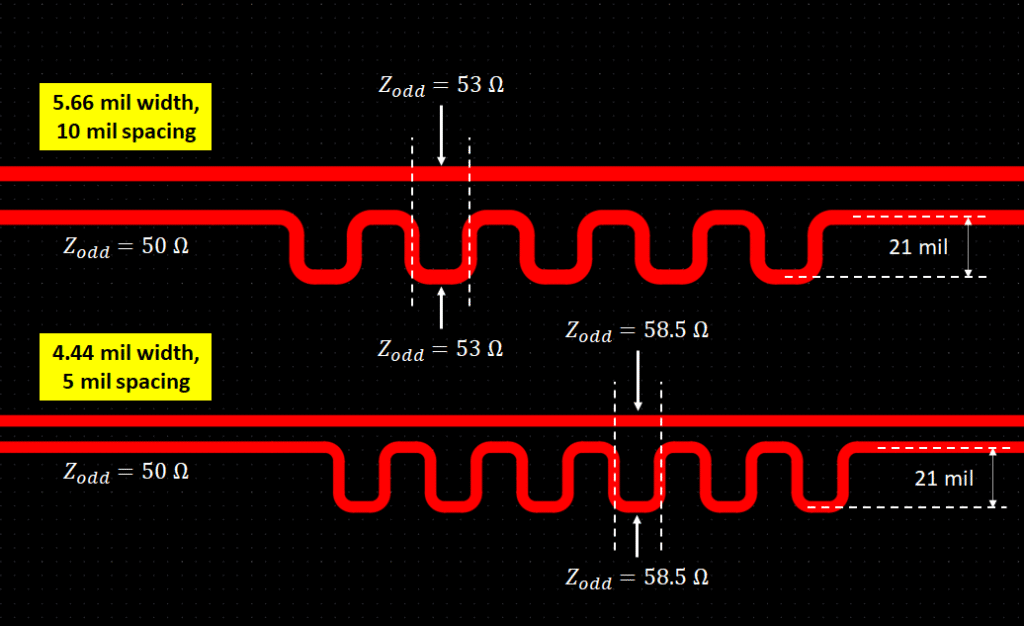
Modern motherboards employ sophisticated trace routing to ensure optimal Dual-Channel RAM performance. Memory traces must maintain consistent impedance characteristics and minimize length differences between channels to prevent signal integrity issues. Higher-quality motherboards often feature dedicated memory layers with controlled impedance characteristics, enabling stable operation at elevated memory frequencies.
What Is Dual-Channel Ram And Why Does It Matter? 9
Dual-Channel RAM implementations benefit from balanced trace lengths between memory slots and the memory controller. Significant length differences can cause timing skew that limits maximum operating frequencies and reduces performance. Professional and enthusiast motherboards typically feature T-topology or daisy-chain routing optimized for specific memory configurations, whether dual-module or quad-module implementations.
Population Rules and Slot Priority
Different motherboard designs implement varying population rules for Dual-Channel RAM configurations. Some designs prioritize specific slot pairs for optimal performance, while others provide equivalent performance across all dual-channel combinations. Understanding your motherboard’s specific characteristics helps achieve maximum performance from your Dual-Channel RAM implementation.
Four-slot motherboards often exhibit performance differences between different slot populations. Many designs optimize for two-module configurations in specific slots, with four-module configurations potentially operating at reduced frequencies or with relaxed timing parameters. Consult your motherboard documentation to understand optimal Dual-Channel RAM configuration for your specific use case and performance requirements.
Memory Overclocking and Performance Tuning
Dual-Channel RAM configurations offer significant opportunities for performance optimization through careful overclocking and timing adjustments. However, these modifications require understanding of memory subsystem operation and careful attention to stability testing.
XMP Profile Implementation and Optimization
Extreme Memory Profile (XMP) settings provide automated optimization for Dual-Channel RAM configurations, often delivering significant performance improvements with minimal user intervention. XMP profiles contain predetermined combinations of frequency, voltage, and timing parameters tested by memory manufacturers for optimal performance and stability.
Implementing XMP profiles in Dual-Channel RAM systems typically involves simple BIOS configuration changes. However, not all systems can achieve rated XMP specifications due to motherboard limitations, processor memory controller capabilities, or power supply constraints. When XMP profiles fail to operate stably, manual timing adjustments or reduced frequencies may be necessary to achieve optimal Dual-Channel RAM performance.
What Is Dual-Channel Ram And Why Does It Matter? 10
Manual Timing Optimization Techniques
Advanced users can achieve superior Dual-Channel RAM performance through manual timing optimization. This process involves adjusting primary timings (CAS latency, tRCD, tRP) and secondary timings (tRAS, tRC, command rate) to achieve optimal performance for specific applications and usage patterns.
Manual timing optimization for Dual-Channel RAM requires extensive stability testing using applications like MemTest86, Prime95, or AIDA64. Each timing adjustment must be thoroughly validated to ensure system stability under all operating conditions. The optimization process typically involves reducing timing values incrementally while maintaining system stability, balancing performance gains against reliability requirements.
Future-Proofing and Upgrade Considerations
Dual-Channel RAM implementations should consider future system requirements and potential upgrade paths. Planning for future needs helps ensure that current investments remain valuable as system requirements evolve.
Capacity Planning and Expansion Options
Modern applications increasingly demand substantial memory capacity, making Dual-Channel RAM capacity planning crucial for long-term system viability. While 16GB configurations suffice for most current applications, emerging software and operating system requirements suggest that 32GB or higher capacities may become necessary for optimal performance.
When planning Dual-Channel RAM capacity, consider both current and projected future requirements. Professional applications, content creation software, and advanced gaming increasingly benefit from substantial memory capacity. Virtual machine usage, software development, and scientific computing often require 32GB or higher memory configurations for optimal performance.
Migration Strategies for Different Memory Technologies
Dual-Channel RAM technology continues evolving, with new memory standards offering improved performance and efficiency. DDR5 memory provides substantial bandwidth improvements over DDR4, while maintaining backward compatibility considerations for existing systems. Understanding migration strategies helps plan cost-effective upgrade paths that preserve Dual-Channel RAM benefits while transitioning to newer technologies.
Future Dual-Channel RAM implementations may incorporate additional channels (quad-channel, octa-channel) or advanced features like on-die error correction and improved power efficiency. Staying informed about emerging memory technologies helps make informed decisions about upgrade timing and configuration choices that maximize long-term system performance and value.
Maximizing Your Investment in Dual-Channel RAM
Dual-Channel RAM represents one of the most cost-effective methods for improving computer performance, offering substantial benefits across a wide range of applications and usage scenarios. Proper implementation requires attention to compatibility, configuration, and optimization, but the resulting performance improvements justify the effort required for successful deployment.
Key Takeaways for Successful Implementation
Successful Dual-Channel RAM implementation depends on several critical factors. Select matched memory modules with identical specifications for optimal performance and compatibility. Install modules in correct motherboard slots according to manufacturer recommendations. Verify proper operation through system utilities and performance benchmarks. Consider advanced optimization techniques like XMP profiles or manual timing adjustments for maximum performance.
The benefits of Dual-Channel RAM extend beyond simple performance improvements to include enhanced system responsiveness, reduced loading times, and improved multitasking capabilities. These advantages become particularly valuable in professional applications, content creation, and advanced gaming scenarios where memory bandwidth directly impacts user experience and productivity.
Long-Term Value and Performance Considerations
Dual-Channel RAM implementations provide lasting value through improved system performance and enhanced user experience. The relatively modest investment required for proper dual-channel configuration delivers benefits that compound over time, making existing systems more capable and extending their useful lifespan.
As software applications continue evolving and demanding greater memory performance, Dual-Channel RAM becomes increasingly important for maintaining optimal system operation. The performance advantages of dual-channel configuration become more pronounced as applications grow more sophisticated and memory-intensive, ensuring that properly configured systems remain competitive and responsive.
Understanding and implementing Dual-Channel RAM represents a crucial skill for anyone seeking to maximize computer performance and value. The knowledge gained through proper dual-channel implementation transfers to future systems and technologies, providing lasting benefits that extend far beyond any single hardware configuration. By mastering these concepts and implementation techniques, you’ll be well-equipped to optimize current systems and make informed decisions about future upgrades and configurations.
The Illusion of Stability in Modern Updates For most users, operating system updates are something that simply happen. They arrive quietly, often installing in the background, requiring little more than…
Macbook Neo, How Does It Compare To Air & Pro? Over the last few years the laptop market has experienced one of the most significant architectural changes in its history.…
Apple’s latest product announcements mark one of the most significant shifts in the Mac lineup in more than a decade. While Apple routinely updates its hardware with faster chips, incremental…
There is a particular kind of frustration that only a slow computer can produce. It is not dramatic. It is not urgent. It does not scream for attention. Instead, it…
In an era where nearly every aspect of personal computer maintenance and professional life is mediated through digital systems, your computer is no longer a luxury device — it is…
Phone says charging but battery not increasing is one of the most frustrating problems smartphone users face. You plug it in.The lightning bolt appears.It says “Charging.” But the battery percentage…
Apple’s rumour cycle always looks like a thousand disconnected leaks — until you line them up and notice the same themes repeating: AI-first silicon, camera and display differentiation, form-factor experiments (foldables / spatial…
Wi-Fi connected but no internet is one of the most frustrating messages you can see on a computer or laptop. The Wi-Fi icon shows full bars.It says “Connected.”But websites won’t…
Unfortunately, there was an error submitting your request.
Please try again later, or reach out to us directly. You can call us at +44 1429 280955 or email us at sales@kingfishercomputers.co.uk for assistance. We’re here to help you get your computer back up and running!
We’ve received your booking, Our team will get in touch with you shortly to confirm the details. You’re one step closer to having your computer fixed! If you have any urgent questions, feel free to contact us. Otherwise, sit back, and we’ll handle the rest.