RGB Lighting Without the Lag: Performance vs Aesthetics
Adam Fornal
June 9th, 2025
Table of Contents
RGB Lighting Without the Lag: Performance vs Aesthetics
The modern PC gaming world has evolved into a spectacular display of colors, lights, and visual effects that transform ordinary computer cases into mesmerizing light shows. However, this evolution raises a critical question that every PC enthusiast must address: the eternal debate of Performance vs Aesthetics. RGB lighting has become synonymous with gaming culture, but does this visual appeal come at the cost of system performance? Understanding this Performance vs Aesthetics balance is crucial for making informed decisions about your next build or upgrade.
RGB lighting systems have grown from simple single-color LEDs to sophisticated addressable lighting ecosystems that can display millions of colors in complex patterns. While these systems create stunning visual displays, they also consume system resources, generate heat, and require software management that can impact overall performance. The Performance vs Aesthetics consideration becomes even more complex when you factor in cost, power consumption, and long-term reliability. Smart PC builders must navigate these competing priorities to create systems that satisfy both their visual preferences and performance requirements.
The Rise of RGB Culture in PC Gaming
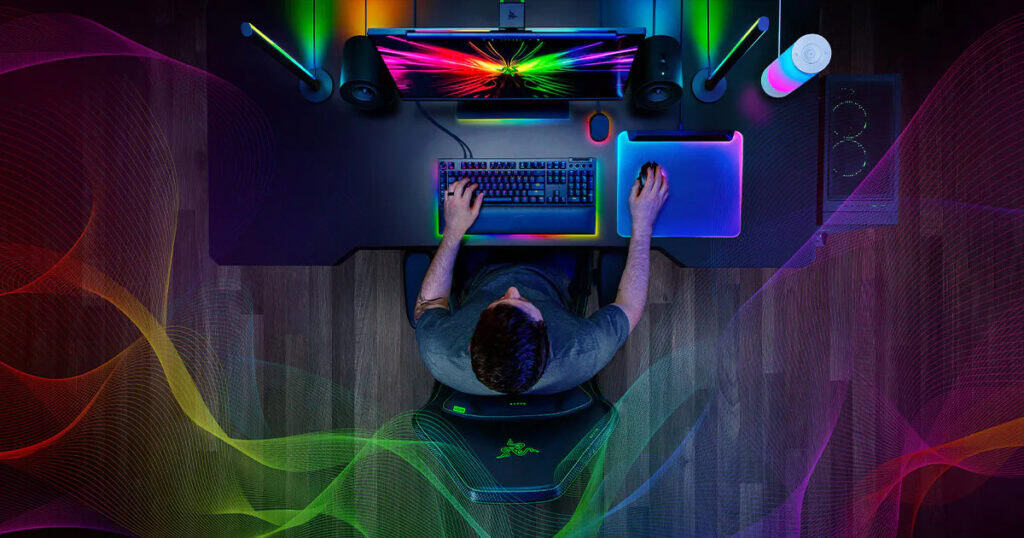
The gaming community’s embrace of RGB lighting represents more than just a trend—it’s a cultural shift that reflects how users view their computers as expressions of personal identity. This transformation has fundamentally altered the Performance vs Aesthetics conversation within the PC building community. What started as simple case fans with colored LEDs has evolved into comprehensive lighting ecosystems that synchronize across multiple components and peripherals.
Modern RGB implementations go far beyond basic illumination. Today’s systems feature addressable LEDs that can display complex animations, react to audio, respond to in-game events, and even indicate system temperatures or performance metrics. This sophistication has elevated the Performance vs Aesthetics debate because these advanced features require computational resources to operate. The question is no longer whether RGB lighting looks good, but whether the visual benefits justify the potential performance trade-offs.
Understanding RGB’s Impact on System Resources
When evaluating Performance vs Aesthetics in RGB lighting, it’s essential to understand how these systems interact with your computer’s resources. RGB lighting requires dedicated software applications that run continuously in the background, consuming CPU cycles and system memory. Popular lighting control software like Corsair iCUE, ASUS Aura Sync, and MSI Mystic Light can use 50-200MB of RAM and maintain constant CPU usage between 1-3% even during idle periods.
The Performance vs Aesthetics impact becomes more pronounced when you consider that most users install multiple RGB applications to control different components from various manufacturers. Each application adds to the resource consumption, and compatibility issues between different RGB ecosystems can cause additional overhead. Furthermore, complex lighting effects that require real-time calculations, such as audio visualization or temperature monitoring, can increase CPU usage significantly during operation.
The Hidden Costs of RGB Lighting Systems
Beyond the obvious Performance vs Aesthetics considerations, RGB lighting introduces several hidden costs that affect overall system performance and reliability. Power consumption increases with every LED installed, which can strain power supplies and generate additional heat. A typical RGB setup with case fans, RAM modules, and strip lighting can add 20-50 watts to your system’s power draw, requiring larger power supplies and better cooling solutions.
Heat generation from RGB components affects the Performance vs Aesthetics equation by potentially reducing the lifespan of sensitive components and forcing cooling systems to work harder. LED strips and RGB memory modules generate heat that must be dissipated, and this additional thermal load can impact system stability during intensive gaming sessions. Moreover, the complexity of RGB systems introduces additional failure points that can affect system reliability over time.
Optimizing RGB Systems for Maximum Performance
Achieving the perfect Performance vs Aesthetics balance requires strategic planning and careful implementation of RGB lighting systems. The key lies in understanding which RGB features provide the greatest visual impact while minimizing performance overhead. By making informed choices about RGB hardware, software, and configuration, you can create stunning visual displays without sacrificing the performance your games demand.
Strategic RGB Hardware Selection
The foundation of balancing Performance vs Aesthetics begins with choosing the right RGB components for your build. Not all RGB hardware is created equal—some implementations are more efficient than others in terms of power consumption, heat generation, and software overhead. Understanding these differences allows you to prioritize components that offer the best visual impact per performance cost.
High-quality RGB components typically feature more efficient LED controllers and better thermal management, which directly impacts the Performance vs Aesthetics equation. Premium RGB RAM modules, for example, often include dedicated lighting controllers that reduce the CPU overhead required for lighting effects. Similarly, well-designed RGB fans incorporate lighting systems that don’t significantly impact airflow performance, maintaining cooling efficiency while adding visual appeal.
CPU and Memory Considerations for RGB
When building a system that optimizes Performance vs Aesthetics, your choice of CPU and memory directly affects how well your system handles RGB lighting overhead. Modern multi-core processors can easily handle RGB software background tasks, but older or budget CPUs may experience noticeable performance impacts when running multiple RGB applications simultaneously.
Memory considerations play a crucial role in the Performance vs Aesthetics balance. RGB lighting software requires dedicated RAM to store lighting profiles, animation data, and real-time effect calculations. Systems with 16GB or more RAM typically handle RGB overhead without issue, while 8GB systems may experience performance degradation when running complex lighting effects alongside demanding games. The choice between RGB and non-RGB memory modules also affects this balance, as RGB RAM typically costs 20-30% more than equivalent non-RGB memory.
Graphics Card RGB Integration
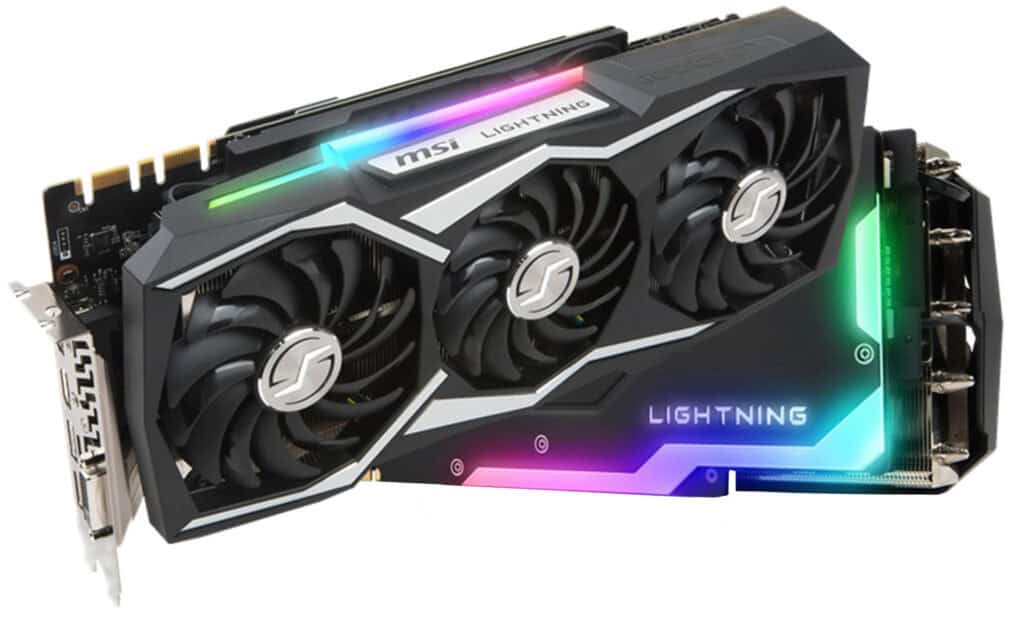
Modern graphics cards increasingly feature RGB lighting elements that contribute to the overall Performance vs Aesthetics consideration. Unlike other RGB components, graphics card lighting is typically managed by the GPU itself, reducing CPU overhead. However, this integration means that RGB effects may impact GPU performance during intensive gaming sessions, particularly on lower-end cards with limited processing headroom.
The Performance vs Aesthetics impact of graphics card RGB varies significantly between manufacturers and models. High-end cards with robust cooling solutions and dedicated lighting controllers typically handle RGB effects without performance impact. Mid-range and budget cards may experience minor performance reductions when running complex lighting effects simultaneously with demanding games, making it important to test different lighting configurations to find the optimal balance.
Rgb Lighting Without The Lag: Performance Vs Aesthetics 6
Software Optimization Strategies
Managing RGB software effectively is crucial for achieving the ideal Performance vs Aesthetics balance. The way you configure and use RGB lighting software can dramatically impact system performance, making software optimization just as important as hardware selection. Understanding how different RGB applications interact with your system allows you to minimize performance overhead while maintaining visual appeal.
Consolidating RGB Ecosystems
One of the most effective ways to optimize the Performance vs Aesthetics balance is to consolidate your RGB components into a single ecosystem whenever possible. Using components from the same manufacturer or compatible with unified software reduces the number of background applications required, decreasing memory usage and potential conflicts between different RGB systems.
Building within a single RGB ecosystem improves the Performance vs Aesthetics equation by reducing software overhead and improving synchronization between components. Corsair’s iCUE ecosystem, for example, can control fans, memory, keyboards, mice, and even some third-party components through a single application. This consolidation typically reduces total memory usage by 100-200MB compared to running multiple separate RGB applications.
Performance-Focused RGB Profiles
Creating performance-optimized RGB profiles helps maintain the Performance vs Aesthetics balance during gaming sessions. Static lighting effects consume significantly fewer resources than dynamic animations, temperature monitoring, or audio visualization. By switching to simpler lighting profiles during gaming and reserving complex effects for idle periods, you can enjoy RGB aesthetics without impacting game performance.
The Performance vs Aesthetics optimization process involves testing different lighting configurations while monitoring system performance. Many RGB applications include performance monitoring tools that show CPU and memory usage for different lighting effects. Use these tools to identify which effects provide the best visual impact per performance cost, creating custom profiles that maximize aesthetics while minimizing system overhead.
Cooling Considerations for RGB Systems
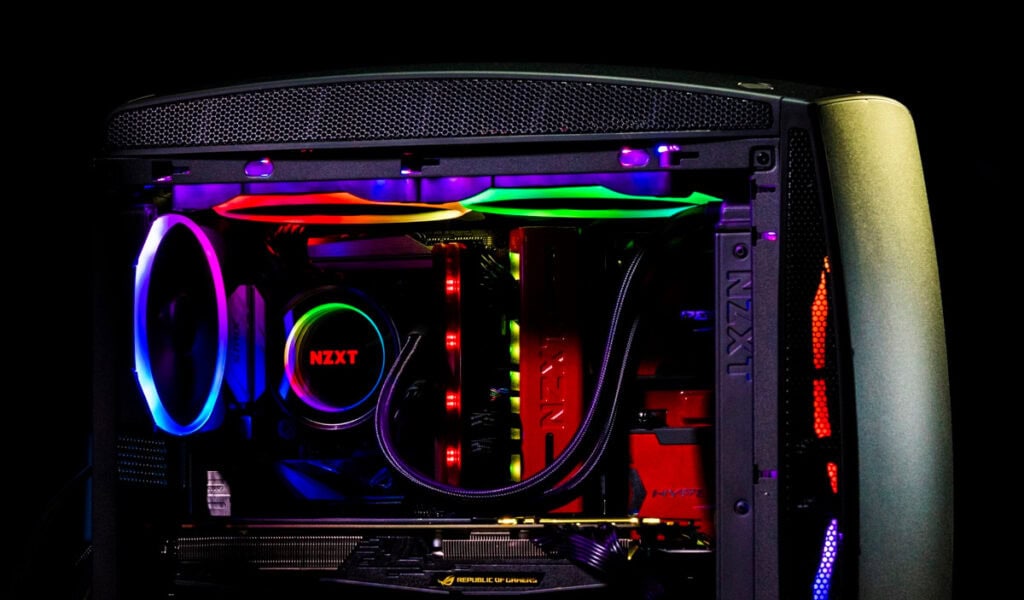
Effective cooling becomes increasingly important when balancing Performance vs Aesthetics in RGB-heavy builds. RGB components generate additional heat that must be managed to maintain system stability and performance. Understanding how RGB lighting affects thermal management helps you design cooling solutions that support both visual appeal and optimal performance.
RGB Fan Performance and Airflow
RGB fans present a unique Performance vs Aesthetics challenge because the lighting elements can potentially impact airflow performance. Lower-quality RGB fans may sacrifice airflow or static pressure to accommodate lighting elements, while premium options maintain cooling performance while adding visual appeal. The key is selecting RGB fans that don’t compromise cooling effectiveness for aesthetics.
Testing RGB fan performance involves measuring both cooling effectiveness and lighting quality to optimize the Performance vs Aesthetics balance. Quality RGB fans should provide airflow and static pressure ratings comparable to non-RGB equivalents while offering attractive lighting effects. Pay attention to fan noise levels as well, since some RGB fans use different bearing types or blade designs that can affect acoustic performance.
Thermal Management of RGB Components
Beyond fans, other RGB components contribute to system heat load and affect the Performance vs Aesthetics equation. RGB memory modules, LED strips, and lighting controllers all generate heat that must be dissipated effectively. Proper case airflow becomes even more critical in RGB builds to prevent hot spots that could impact component performance or longevity.
Strategic placement of RGB components helps optimize the Performance vs Aesthetics balance by ensuring adequate cooling for all lighting elements. LED strips should be positioned away from heat-sensitive components, and RGB memory modules may require additional case airflow to maintain optimal temperatures. Consider the cumulative thermal impact of all RGB components when designing your cooling solution.
Advanced RGB Implementation Techniques
Mastering the Performance vs Aesthetics balance requires understanding advanced RGB implementation techniques that minimize performance impact while maximizing visual appeal. These strategies go beyond basic RGB setup to create sophisticated lighting systems that enhance your gaming experience without compromising performance.
Hardware-Level RGB Control
Advanced RGB implementations often utilize hardware-level control systems that reduce software overhead and improve the Performance vs Aesthetics balance. Hardware controllers handle lighting calculations and effects processing independently of your CPU, allowing complex lighting displays without impacting system performance. These dedicated controllers represent the cutting edge of RGB technology.
Rgb Lighting Without The Lag: Performance Vs Aesthetics 7
Dedicated RGB Controllers and Hubs
Dedicated RGB controllers significantly improve the Performance vs Aesthetics equation by offloading lighting calculations from your main system. These devices feature dedicated processors and memory specifically designed for RGB control, enabling complex lighting effects without consuming CPU resources. Popular options include Corsair’s Lighting Node series and NZXT’s RGB controllers.
The Performance vs Aesthetics benefits of dedicated controllers become apparent when running complex lighting effects or large numbers of RGB components. Hardware controllers can manage dozens of RGB devices simultaneously while consuming minimal system resources. This approach allows elaborate lighting displays that would otherwise require significant CPU overhead, making it possible to achieve stunning aesthetics without performance compromise.
Motherboard RGB Integration
Modern motherboards increasingly feature integrated RGB controllers that improve the Performance vs Aesthetics balance through efficient hardware-level control. These integrated systems can manage onboard RGB lighting and connected RGB components without requiring separate software applications or hardware controllers. Motherboard integration also enables low-level RGB control that survives system reboots and operates independently of the operating system.
High-end motherboards with robust RGB integration offer the best Performance vs Aesthetics optimization by providing hardware-level control with minimal software overhead. These systems can manage complex lighting effects, temperature monitoring, and system status indication through dedicated hardware, freeing up CPU resources for gaming performance. The integration also improves reliability by reducing the number of separate components and software applications required.
Custom RGB Programming and Automation
Advanced users can achieve superior Performance vs Aesthetics balance through custom RGB programming and automation. This approach involves creating custom lighting profiles, automated switching based on system conditions, and integration with game events to create immersive experiences without sacrificing performance.
Performance-Aware RGB Automation
Smart RGB automation systems monitor system performance and automatically adjust lighting effects to maintain optimal Performance vs Aesthetics balance. These systems can detect when games are running and switch to low-overhead lighting profiles, then return to complex effects during idle periods. This automated approach ensures you never sacrifice game performance for RGB aesthetics.
Implementing performance-aware RGB automation requires understanding your system’s performance characteristics and creating profiles that respond to different usage scenarios. The Performance vs Aesthetics optimization becomes automatic, with the system intelligently choosing appropriate lighting effects based on current CPU load, temperature, or application usage. This dynamic approach maximizes visual appeal while guaranteeing optimal gaming performance.
Game Integration and Immersive Effects
Advanced RGB systems can integrate with games to create immersive lighting effects that enhance gameplay without impacting Performance vs Aesthetics balance. These integrations typically use low-overhead APIs that communicate game state information to RGB systems, enabling effects like health indication, ammo counters, or environmental lighting that syncs with in-game events.
Properly implemented game integration actually improves the Performance vs Aesthetics equation by providing functional benefits alongside visual appeal. RGB lighting that indicates low health or ammunition provides useful gameplay information while creating immersive experiences. The key is choosing integrations that add value without consuming significant system resources or causing distractions during competitive gaming.
Rgb Lighting Without The Lag: Performance Vs Aesthetics 8
Future-Proofing Your RGB Investment
Long-term Performance vs Aesthetics optimization requires considering how RGB technology will evolve and ensuring your investment remains relevant as both gaming and lighting technology advance. Future-proofing involves choosing flexible, upgradeable RGB systems that can adapt to changing requirements and new technologies.
Scalable RGB Ecosystems
Building scalable RGB ecosystems helps maintain optimal Performance vs Aesthetics balance as your system evolves. Choosing RGB components and controllers that support expansion and upgrades ensures you can add new lighting elements without requiring complete system redesigns. Scalable systems also allow gradual migration to newer, more efficient RGB technologies as they become available.
The Performance vs Aesthetics benefits of scalable systems become apparent over time as you can incrementally improve efficiency and visual appeal without starting from scratch. Modern RGB ecosystems with modular designs and firmware update capabilities can evolve alongside advancing technology, protecting your investment while maintaining optimal performance characteristics.
Staying informed about emerging RGB technologies helps you make decisions that optimize long-term Performance vs Aesthetics balance. New LED technologies, control methods, and integration approaches continuously improve efficiency and reduce performance overhead. Understanding these developments allows you to time upgrades and investments for maximum benefit.
Future RGB technologies promise even better Performance vs Aesthetics optimization through improved efficiency, reduced power consumption, and smarter control systems. Developments in LED efficiency, wireless control, and AI-driven lighting management will further reduce the performance impact of RGB systems while expanding creative possibilities. Keeping your RGB infrastructure adaptable to these advancing technologies ensures continued optimization.
Practical RGB Implementation Guide
Successfully balancing Performance vs Aesthetics requires practical implementation strategies that work in real-world gaming scenarios. This section provides actionable guidance for building and configuring RGB systems that deliver stunning visuals without compromising gaming performance.
Budget-Conscious RGB Solutions
Achieving excellent Performance vs Aesthetics balance doesn’t require unlimited budgets. Strategic component selection and smart implementation can create impressive RGB displays while maintaining strong price-to-performance ratios. Understanding which RGB investments provide the greatest visual impact helps optimize spending for maximum effect.
High-Impact, Low-Cost RGB Components
Certain RGB components provide exceptional visual impact relative to their cost and performance overhead, making them ideal for budget-conscious builders seeking optimal Performance vs Aesthetics balance. RGB case fans often provide the most dramatic visual transformation for the lowest cost, while RGB LED strips offer extensive customization possibilities at minimal expense.
Strategic placement of budget RGB components maximizes the Performance vs Aesthetics return on investment. A few well-positioned RGB fans and LED strips can create impressive lighting displays that rival more expensive setups. Focus on components visible through case windows and avoid hidden RGB elements that add cost without visual benefit. This targeted approach achieves stunning aesthetics while maintaining budget discipline.
DIY RGB Modifications
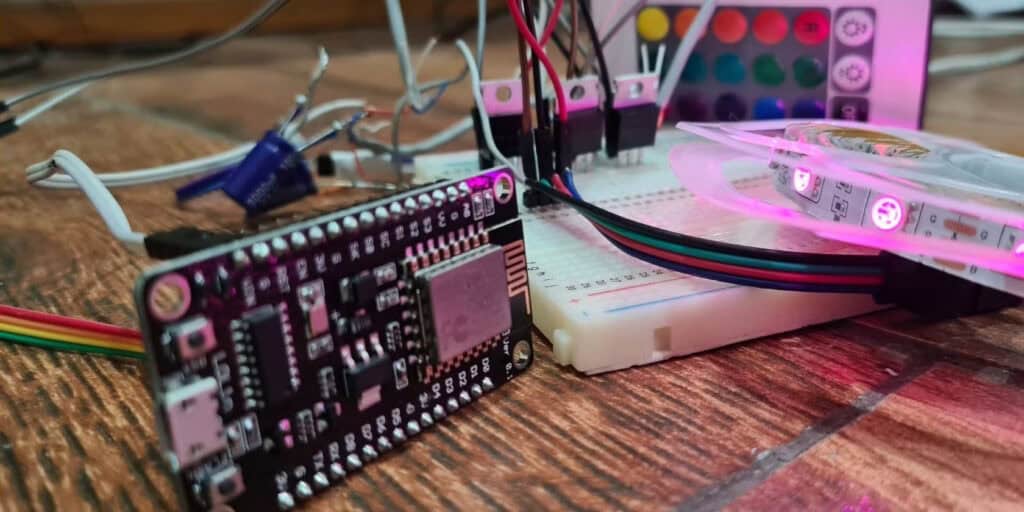
Creative DIY modifications can dramatically improve Performance vs Aesthetics balance by adding custom RGB elements at fraction of commercial component costs. Custom LED installations, modified cooling solutions with integrated lighting, and hand-crafted RGB accessories allow unique aesthetics while maintaining strict performance requirements.
DIY RGB projects require careful planning to ensure they don’t negatively impact the Performance vs Aesthetics balance. Proper electrical design, heat management, and software integration are crucial for successful implementations. However, the flexibility and cost savings of DIY approaches make them attractive options for experienced builders seeking unique RGB solutions that maintain optimal performance characteristics.
Rgb Lighting Without The Lag: Performance Vs Aesthetics 9
Professional RGB System Design
Professional-grade RGB implementations achieve superior Performance vs Aesthetics balance through systematic design approaches and premium component selection. These systems prioritize reliability, efficiency, and visual impact while maintaining absolute performance optimization for demanding applications.
Enterprise-Grade RGB Components
Professional RGB systems utilize enterprise-grade components designed for reliability and efficiency, ensuring optimal Performance vs Aesthetics balance in demanding environments. These components feature robust construction, efficient power management, and professional software support that minimizes performance overhead while maximizing reliability and longevity.
The Performance vs Aesthetics advantages of professional RGB components become apparent in high-usage scenarios where reliability and consistency are paramount. Professional-grade RGB controllers, LED modules, and software systems provide stable performance under continuous operation while offering advanced features and integration capabilities not available in consumer products.
Rgb Lighting Without The Lag: Performance Vs Aesthetics 10
System Integration and Management
Professional RGB implementations require comprehensive system integration that optimizes Performance vs Aesthetics balance across all components and usage scenarios. This involves careful planning of power distribution, thermal management, and software coordination to ensure optimal performance while delivering consistent visual experiences.
Advanced system integration techniques improve Performance vs Aesthetics optimization through centralized control, automated management, and performance monitoring. Professional RGB management systems can automatically adjust lighting effects based on system load, temperature, and application requirements, ensuring optimal balance between visual appeal and system performance under all operating conditions.
Measuring and Monitoring RGB Performance Impact
Quantifying the Performance vs Aesthetics impact of RGB systems requires systematic measurement and monitoring approaches. Understanding exactly how RGB components affect system performance enables informed decision-making and optimization strategies that maximize visual appeal while maintaining gaming performance.
Benchmarking RGB Performance Impact
Establishing baseline performance measurements before and after RGB installation provides objective data about Performance vs Aesthetics trade-offs. Comprehensive benchmarking should include gaming performance, system responsiveness, power consumption, and thermal characteristics to fully understand RGB impact on system behavior.
Systematic benchmarking reveals the true Performance vs Aesthetics characteristics of different RGB configurations, enabling optimization based on empirical data rather than assumptions. Regular monitoring during different usage scenarios helps identify performance patterns and optimization opportunities that might not be apparent during initial testing.
Long-term Performance Monitoring
Continuous monitoring of RGB system performance helps maintain optimal Performance vs Aesthetics balance as software updates, new games, and changing usage patterns affect system behavior. Long-term monitoring can reveal gradual performance degradation or identify opportunities for further optimization as your system evolves.
Effective long-term monitoring strategies track Performance vs Aesthetics metrics over time to identify trends and optimization opportunities. This data-driven approach enables proactive adjustments that maintain optimal balance between visual appeal and gaming performance throughout your system’s lifespan.
Mastering the Performance vs Aesthetics Balance
Successfully implementing RGB lighting without performance compromise requires understanding that Performance vs Aesthetics is not a zero-sum game. With proper planning, component selection, and optimization strategies, modern systems can deliver stunning visual displays while maintaining exceptional gaming performance. The key lies in making informed decisions based on your specific requirements and priorities.
Building Your Optimal RGB System
Creating the perfect Performance vs Aesthetics balance requires personalized approaches that reflect your gaming habits, aesthetic preferences, and performance requirements. There’s no universal solution—the optimal RGB implementation varies based on individual priorities, system specifications, and usage patterns. However, the principles and strategies outlined in this guide provide the foundation for making informed decisions.
Your Performance vs Aesthetics optimization journey should begin with clearly defining your priorities and constraints. Consider your budget, performance requirements, aesthetic goals, and technical expertise when planning your RGB implementation. Start with high-impact, low-overhead components and gradually expand your system as you gain experience and confidence with RGB technology.
The Future of RGB Performance Optimization
The Performance vs Aesthetics landscape continues evolving as RGB technology advances and gaming demands increase. Future developments in LED efficiency, control systems, and integration methods promise even better optimization possibilities. Staying informed about these developments and maintaining flexible, upgradeable RGB systems ensures your investment remains optimized for years to come.
As RGB technology matures, the Performance vs Aesthetics debate will likely shift toward more sophisticated considerations like intelligent automation, game integration, and environmental responsiveness. The most successful RGB implementations will be those that seamlessly blend performance and aesthetics into cohesive experiences that enhance rather than distract from gaming enjoyment.
The ultimate goal of any RGB system should be enhancing your computing experience without compromise. By carefully balancing Performance vs Aesthetics considerations and implementing the strategies outlined in this guide, you can create systems that deliver both stunning visuals and exceptional gaming performance. The result is a setup that truly represents the best of both worlds—impressive aesthetics that complement rather than compete with optimal performance.
The Illusion of Stability in Modern Updates For most users, operating system updates are something that simply happen. They arrive quietly, often installing in the background, requiring little more than…
Macbook Neo, How Does It Compare To Air & Pro? Over the last few years the laptop market has experienced one of the most significant architectural changes in its history.…
Apple’s latest product announcements mark one of the most significant shifts in the Mac lineup in more than a decade. While Apple routinely updates its hardware with faster chips, incremental…
There is a particular kind of frustration that only a slow computer can produce. It is not dramatic. It is not urgent. It does not scream for attention. Instead, it…
In an era where nearly every aspect of personal computer maintenance and professional life is mediated through digital systems, your computer is no longer a luxury device — it is…
Phone says charging but battery not increasing is one of the most frustrating problems smartphone users face. You plug it in.The lightning bolt appears.It says “Charging.” But the battery percentage…
Apple’s rumour cycle always looks like a thousand disconnected leaks — until you line them up and notice the same themes repeating: AI-first silicon, camera and display differentiation, form-factor experiments (foldables / spatial…
Wi-Fi connected but no internet is one of the most frustrating messages you can see on a computer or laptop. The Wi-Fi icon shows full bars.It says “Connected.”But websites won’t…
Unfortunately, there was an error submitting your request.
Please try again later, or reach out to us directly. You can call us at +44 1429 280955 or email us at sales@kingfishercomputers.co.uk for assistance. We’re here to help you get your computer back up and running!
We’ve received your booking, Our team will get in touch with you shortly to confirm the details. You’re one step closer to having your computer fixed! If you have any urgent questions, feel free to contact us. Otherwise, sit back, and we’ll handle the rest.