The computing landscape is experiencing a seismic shift as ARM CPUs Replace x86 architecture gains momentum across various device categories. This fundamental change raises critical questions about the future of desktop computing and whether traditional x86 processors will maintain their dominance. As major technology companies invest heavily in ARM-based solutions, understanding this transition becomes essential for consumers, businesses, and technology professionals alike.
The question of whether ARM CPUs Replace x86 processors for desktop computing isn’t simply about technical specifications—it encompasses broader considerations including software compatibility, performance requirements, energy efficiency, and market adoption patterns. Apple’s successful transition to ARM-based M-series chips has demonstrated that ARM CPUs Replace x86 solutions can deliver exceptional performance while offering significant advantages in power consumption and thermal management. This breakthrough has accelerated industry-wide discussions about ARM’s viability for mainstream desktop applications.
Will Arm Cpus Replace X86 For Desktops? 6
Understanding the Current Desktop Processor Landscape
Before examining whether ARM CPUs Replace x86 architecture will become the norm, it’s important to understand the current state of desktop computing. Intel and AMD have dominated the desktop market for decades with their x86-based processors, building extensive ecosystems of compatible software and hardware. These processors power everything from budget office computers to high-end gaming rigs and professional workstations.
The x86 architecture’s strength lies in its mature ecosystem and backward compatibility. Decades of software development have created an enormous library of applications optimized for x86 processors. However, this dominance faces unprecedented challenges as ARM CPUs Replace x86 solutions demonstrate superior efficiency and competitive performance. The transition isn’t merely theoretical—it’s actively happening across multiple market segments, with desktop computing representing the final frontier for ARM adoption.
The Mobile Foundation of ARM Success
ARM processors first established their reputation in mobile devices, where energy efficiency trumped raw computational power. Smartphones and tablets running ARM chips achieved remarkable battery life while delivering satisfactory performance for typical user tasks. This success laid the groundwork for the current discussion about whether ARM CPUs Replace x86 processors in more demanding applications.
The lessons learned from mobile ARM implementations provided valuable insights into optimizing both hardware and software for ARM architecture. As mobile applications became increasingly sophisticated, ARM processors evolved to handle more complex workloads. This evolution demonstrated that ARM CPUs Replace x86 solutions could potentially scale beyond mobile devices into laptops and eventually desktop computers.
Apple’s Revolutionary M-Series Transition
Apple’s introduction of M1 processors in 2020 marked a pivotal moment in the debate over whether ARM CPUs Replace x86 architecture for personal computers. The M1 chip delivered impressive performance while consuming significantly less power than comparable Intel processors. This achievement proved that ARM CPUs Replace x86 solutions could compete directly with established desktop processors in real-world applications.
The success of Apple’s ARM transition extended beyond technical benchmarks to practical user experience improvements. Longer battery life, cooler operation, and instant wake capabilities enhanced the overall computing experience. These benefits sparked renewed interest in whether ARM CPUs Replace x86 processors could deliver similar advantages across the broader desktop market.
Technical Advantages Driving ARM Adoption
The movement toward ARM CPUs Replace x86 architecture stems from several compelling technical advantages that address longstanding limitations of traditional desktop processors. These benefits extend beyond simple performance metrics to encompass efficiency, thermal management, and design flexibility that could reshape desktop computing.
Energy Efficiency and Power Management
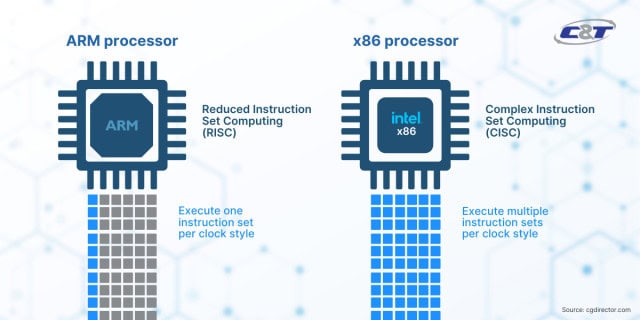
One of the most significant factors supporting the prediction that ARM CPUs Replace x86 processors is superior energy efficiency. ARM architecture uses Reduced Instruction Set Computer (RISC) principles, which typically require fewer transistors and less power per instruction compared to x86’s Complex Instruction Set Computer (CISC) approach. This fundamental difference means ARM CPUs Replace x86 solutions can deliver comparable performance while consuming substantially less electricity.
Power efficiency translates into multiple practical benefits for desktop users. Reduced electricity consumption lowers operating costs and environmental impact. Lower power requirements enable smaller, quieter cooling solutions that improve the desktop experience. As ARM CPUs Replace x86 processors become more common, these efficiency gains could significantly impact both consumer and enterprise computing costs.
Thermal Management Advantages
The efficiency gains achieved when ARM CPUs Replace x86 processors directly impact thermal management requirements. ARM processors typically generate less heat during operation, reducing the need for elaborate cooling solutions. This thermal advantage enables more compact desktop designs and quieter operation, addressing common complaints about traditional desktop computers.
Better thermal characteristics also contribute to improved system reliability and longevity. Lower operating temperatures reduce component stress and extend hardware lifespan. As ARM CPUs Replace x86 architecture gains adoption, these thermal benefits could influence desktop computer design trends toward smaller, more efficient form factors.
Will Arm Cpus Replace X86 For Desktops? 7
Performance Per Watt Optimization
Modern ARM processors excel in performance per watt metrics, a crucial consideration as ARM CPUs Replace x86 solutions in various applications. While absolute performance remains important, efficiency has become equally significant as users demand longer battery life and lower operating costs. ARM’s architectural advantages enable impressive performance while maintaining excellent power efficiency.
The performance per watt advantage becomes particularly relevant for always-on desktop applications and compact form factors where cooling capacity is limited. As ARM CPUs Replace x86 processors in these scenarios, users benefit from maintained performance without the noise and heat traditionally associated with high-performance desktop computing.
Scalability and Multi-Core Design
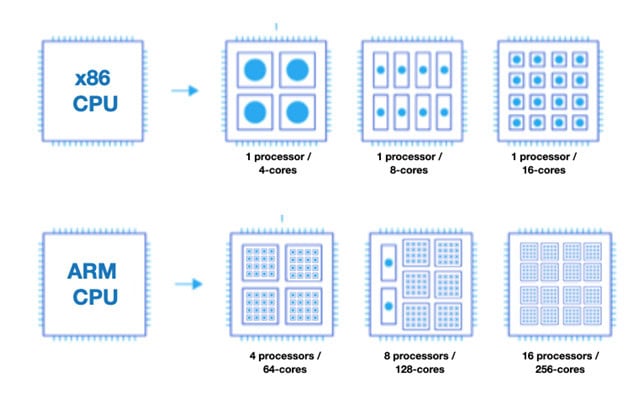
ARM architecture’s modular design philosophy supports efficient scaling across different performance requirements. This flexibility enables manufacturers to optimize processor designs for specific use cases, from low-power office computers to high-performance workstations. The scalability advantage suggests that ARM CPUs Replace x86 solutions could eventually address the full spectrum of desktop computing needs.
Multi-core ARM implementations can efficiently combine high-performance and high-efficiency cores within the same processor. This heterogeneous approach optimizes performance and power consumption based on workload demands. As ARM CPUs Replace x86 processors become more common, this architectural flexibility could enable more nuanced performance optimization than traditional x86 designs.
Integration and System-on-Chip Benefits
ARM processors often integrate multiple system components onto a single chip, reducing complexity and improving efficiency. This system-on-chip (SoC) approach enables ARM CPUs Replace x86 solutions to deliver better integration between processing, graphics, and other system functions. Improved integration can enhance performance while reducing manufacturing costs and system complexity.
The SoC approach also enables tighter optimization between hardware and software components. When ARM CPUs Replace x86 processors in desktop systems, this integration could enable new capabilities and improved user experiences that aren’t possible with traditional modular x86 architectures.
While technical advantages support the possibility that ARM CPUs Replace x86 processors, software compatibility represents the most significant challenge to widespread ARM adoption in desktop computing. Decades of x86-optimized software create substantial barriers that must be addressed before ARM CPUs Replace x86 architecture can achieve mainstream desktop acceptance.
Application Compatibility and Emulation
The existing library of x86 desktop applications represents a massive investment in software development that can’t be easily abandoned. For ARM CPUs Replace x86 processors to succeed in the desktop market, these applications must either be recompiled for ARM architecture or run through emulation layers. Both approaches present challenges that could slow ARM adoption.
Native ARM applications typically deliver the best performance and efficiency, but require developer effort to port existing x86 code. Emulation enables existing x86 applications to run on ARM processors, but often with performance penalties that could negate ARM’s efficiency advantages. The balance between compatibility and performance will largely determine how quickly ARM CPUs Replace x86 solutions gain desktop market acceptance.
Developer Adoption and Tool Support
Software developers play a crucial role in determining whether ARM CPUs Replace x86 processors for desktop computing. Development tools, compilers, and debugging environments must support ARM architecture to enable efficient application development. Major software vendors need incentives to invest in ARM versions of their applications, creating a chicken-and-egg scenario where ARM adoption depends on software availability and vice versa.
The developer ecosystem’s response to ARM desktop processors will significantly influence adoption rates. Early ARM adopters face limited software selection, while widespread software support requires substantial ARM market presence. Successfully navigating this transition period is essential for ARM CPUs Replace x86 solutions to achieve long-term desktop success.
Operating System Support and Optimization
Operating system support forms the foundation for whether ARM CPUs Replace x86 processors can succeed in desktop computing. Windows, macOS, and Linux distributions must provide robust ARM support to enable application compatibility and optimal performance. Each operating system faces unique challenges in supporting ARM while maintaining compatibility with existing x86 software.
Microsoft’s Windows on ARM initiative demonstrates the company’s commitment to supporting ARM processors, but adoption has been gradual due to application compatibility concerns. Apple’s macOS transition to ARM achieved remarkable success through careful planning and developer support. Linux distributions generally offer good ARM support, but desktop-focused distributions require optimization for ARM-specific features.
Translation Layers and Performance Impact
Translation layers that enable x86 applications to run on ARM processors represent a crucial technology for ARM desktop adoption. Apple’s Rosetta 2 translation system demonstrates that ARM CPUs Replace x86 solutions can run legacy x86 applications with acceptable performance. However, translation overhead varies significantly depending on application complexity and optimization.
The effectiveness of translation layers directly impacts user acceptance of ARM desktop processors. Seamless x86 application compatibility could accelerate the timeline for ARM CPUs Replace x86 adoption, while poor translation performance could hinder market acceptance. Continued improvements in translation technology will influence ARM’s desktop computing prospects.
Market Forces and Industry Adoption
The question of whether ARM CPUs Replace x86 processors extends beyond technical capabilities to encompass market dynamics, industry partnerships, and economic factors. Understanding these forces provides insight into the realistic timeline and likelihood of ARM desktop processor adoption.
Major Industry Players and Strategic Investments
Technology companies’ strategic decisions significantly influence whether ARM CPUs Replace x86 architecture gains desktop market traction. Apple’s successful ARM transition has encouraged other manufacturers to explore ARM desktop solutions. Qualcomm, MediaTek, and other ARM processor manufacturers are developing chips targeted at desktop and laptop computers.
The semiconductor industry’s investment patterns indicate growing confidence that ARM CPUs Replace x86 processors will eventually capture significant desktop market share. Research and development spending on ARM desktop processors has increased substantially, suggesting manufacturers believe ARM represents the future of personal computing. These investments will determine ARM’s competitive position against established x86 offerings.
Enterprise and Consumer Market Dynamics
Enterprise and consumer markets present different challenges and opportunities for ARM CPUs Replace x86 adoption. Enterprise customers prioritize software compatibility and long-term support, potentially slowing ARM adoption. However, energy efficiency and total cost of ownership benefits could eventually drive enterprise ARM adoption, particularly for specific use cases like virtual desktop infrastructure.
Consumer markets may prove more receptive to ARM desktop processors, especially if they deliver improved battery life and quieter operation. The success of ARM-based tablets and smartphones has familiarized consumers with ARM performance capabilities. As ARM CPUs Replace x86 solutions mature, consumer acceptance could drive broader market adoption.
Competitive Response from Intel and AMD
Intel and AMD’s responses to ARM competition will significantly influence whether ARM CPUs Replace x86 processors achieve desktop dominance. Both companies have acknowledged the ARM threat and are developing strategies to maintain x86 relevance. Intel’s focus on hybrid architectures and improved efficiency targets ARM’s key advantages, while AMD continues pushing x86 performance boundaries.
The competitive dynamics between ARM and x86 manufacturers could accelerate innovation across both architectures. As ARM CPUs Replace x86 solutions gain market share, established x86 manufacturers may introduce breakthrough technologies to maintain their positions. This competition ultimately benefits consumers through improved processor options regardless of architecture.
Economic Factors and Pricing Strategies
Pricing will play a crucial role in determining whether ARM CPUs Replace x86 processors for desktop computing. ARM’s licensing model enables multiple manufacturers to produce compatible processors, potentially increasing competition and reducing prices. However, ARM desktop processors currently command premium pricing due to limited production volumes and high development costs.
Economic factors extending beyond processor pricing will influence ARM adoption. System manufacturers must invest in ARM-compatible designs and supply chains. Software developers require resources to support ARM versions of their applications. The total ecosystem investment required for ARM CPUs Replace x86 adoption represents a significant economic consideration for all stakeholders.
Geographic and Regional Considerations
Global market dynamics affect the timeline for ARM CPUs Replace x86 processor adoption. Different regions may embrace ARM desktop computing at varying rates based on local preferences, regulations, and economic conditions. Asian markets with strong ARM processor manufacturing capabilities might adopt ARM desktop solutions more rapidly than regions with established x86 supply chains.
Geopolitical factors also influence processor architecture preferences. Countries seeking technological independence may favor ARM’s more open licensing model over x86’s concentration among fewer manufacturers. As ARM CPUs Replace x86 discussions continue, regional preferences could create fragmented markets with different dominant architectures.
Performance Analysis and Real-World Applications
Evaluating whether ARM CPUs Replace x86 processors requires comprehensive performance analysis across diverse computing workloads. Different applications stress processors in various ways, making it essential to understand ARM’s strengths and limitations compared to x86 solutions.
Gaming and Graphics Performance
Gaming represents one of the most demanding desktop computing applications and a critical test for whether ARM CPUs Replace x86 processors can satisfy enthusiast users. Modern games require high-performance processors and graphics capabilities that have traditionally favored x86 architecture. ARM’s gaming performance has improved significantly, but questions remain about its ability to match high-end x86 gaming performance.
Graphics integration in ARM processors offers potential advantages for gaming systems. ARM SoCs often include powerful integrated graphics that can handle many gaming scenarios without discrete graphics cards. This integration could enable more compact and efficient gaming systems as ARM CPUs Replace x86 solutions mature. However, the most demanding games still require discrete graphics cards, where ARM’s advantages become less pronounced.
Professional Workstation Applications
Professional applications like video editing, 3D rendering, and software development present unique challenges for ARM processors. These workloads often require specific software optimizations and may depend on x86-specific instructions or libraries. The success of ARM CPUs Replace x86 solutions in professional markets depends largely on software vendor support and optimization efforts.
Apple’s success with ARM-based professional applications demonstrates that ARM CPUs Replace x86 processors can excel in creative workloads when properly optimized. Video editing applications like Final Cut Pro show impressive performance on ARM processors, often exceeding comparable x86 systems. However, cross-platform professional applications may require significant development effort to achieve similar ARM optimization.
Will Arm Cpus Replace X86 For Desktops? 9
Office and Productivity Performance
Office productivity applications represent the largest segment of desktop computing and could drive ARM CPUs Replace x86 adoption if ARM delivers superior efficiency for common tasks. Word processing, spreadsheet calculations, web browsing, and email management typically don’t require maximum processor performance, making them ideal candidates for ARM’s efficiency advantages.
ARM processors excel in always-on scenarios common in modern office environments. Instant wake capabilities and long battery life align well with mobile computing trends that increasingly influence desktop expectations. As ARM CPUs Replace x86 solutions become more common, these efficiency benefits could reshape user expectations for desktop computing performance.
Multi-Tasking and Background Processing
Modern desktop computing involves significant multi-tasking and background processing that tests processor efficiency and thermal management. ARM’s architectural advantages in power efficiency could provide superior performance for typical multi-tasking scenarios. Lower heat generation enables sustained performance without thermal throttling that can affect x86 processors under extended loads.
The heterogeneous core designs common in ARM processors enable efficient task distribution between high-performance and efficiency cores. This capability could provide advantages for ARM CPUs Replace x86 solutions in mixed workload scenarios where background tasks run alongside demanding foreground applications. Effective task scheduling becomes crucial for realizing these theoretical advantages.
Benchmarking and Performance Metrics
Objective performance measurement is essential for evaluating whether ARM CPUs Replace x86 processors can meet desktop computing requirements. Traditional benchmarks may not accurately reflect ARM’s architectural differences, making it important to consider a range of performance metrics including efficiency, sustained performance, and real-world application performance.
Single-threaded performance has traditionally favored x86 processors, but the gap has narrowed significantly with recent ARM designs. Multi-threaded performance increasingly favors ARM solutions, particularly when considering power consumption and thermal constraints. As ARM CPUs Replace x86 adoption increases, benchmark methodologies may need to evolve to reflect changing performance priorities.
The trajectory of ARM CPUs Replace x86 adoption will depend on numerous factors that continue to evolve. Industry trends, technological developments, and market forces will ultimately determine whether ARM processors become dominant in desktop computing or remain a niche alternative to established x86 solutions.
Timeline Predictions and Adoption Phases
Most industry analysts predict that ARM CPUs Replace x86 adoption will occur gradually over multiple phases rather than through sudden market disruption. The initial phase focuses on specific market segments where ARM’s advantages are most pronounced, such as thin-and-light laptops and all-in-one computers. Broader desktop adoption may follow as software ecosystems mature and performance gaps close.
The timeline for ARM CPUs Replace x86 processors achieving mainstream desktop adoption likely extends over the next 5-10 years. Early adopters and specific use cases will drive initial growth, while broader market acceptance requires resolution of software compatibility challenges and continued ARM performance improvements. The transition timeline may vary significantly across different market segments and geographic regions.
Technology Roadmaps and Development Trends
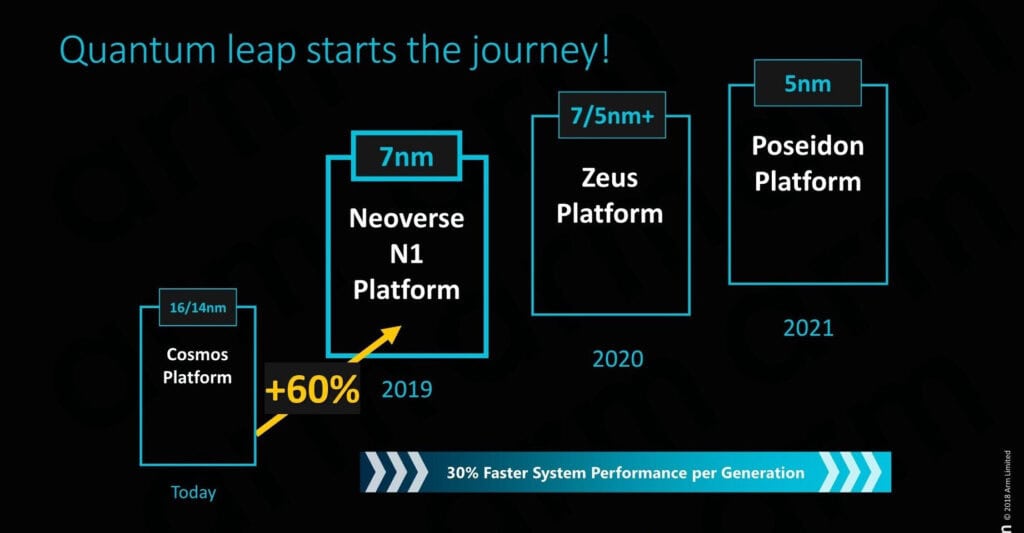
ARM processor roadmaps indicate continued focus on desktop-class performance improvements that support the goal of ARM CPUs Replace x86 adoption. Advanced manufacturing processes, architectural enhancements, and specialized accelerators will enhance ARM’s competitive position. However, x86 manufacturers aren’t standing still, with their own roadmaps targeting ARM’s efficiency advantages.
Emerging technologies like artificial intelligence acceleration and advanced memory architectures may influence the ARM CPUs Replace x86 timeline. ARM’s architectural flexibility could provide advantages for integrating new technologies, while x86’s mature ecosystem offers established optimization paths. The relative success of each architecture in adopting new technologies will impact long-term competitiveness.
Potential Obstacles and Challenges
Several significant obstacles could slow or prevent ARM CPUs Replace x86 adoption in desktop computing. Software compatibility remains the primary challenge, requiring either extensive application porting efforts or effective emulation solutions. Developer adoption rates will largely determine how quickly these compatibility issues are resolved.
Manufacturing and supply chain considerations also affect ARM CPUs Replace x86 adoption prospects. Scaling ARM processor production to meet desktop market demands requires significant infrastructure investment. Competition for advanced manufacturing capacity between mobile and desktop ARM processors could limit availability and increase costs.
Economic and Market Barriers
Economic factors could impede ARM CPUs Replace x86 adoption even if technical challenges are resolved. The total cost of transitioning to ARM architecture extends beyond processor pricing to include system redesign, software development, and user training costs. These transition costs may slow adoption, particularly in price-sensitive market segments.
Market inertia represents another significant barrier to ARM CPUs Replace x86 adoption. Established x86 supply chains, support ecosystems, and user familiarity create momentum that favors continued x86 dominance. Overcoming this inertia requires compelling advantages that justify transition costs and learning curves.
Long-term Industry Impact
If ARM CPUs Replace x86 processors achieve significant desktop market share, the impact will extend far beyond processor architecture preferences. Software development practices, system design approaches, and user expectations could all evolve to accommodate ARM’s characteristics. The industry might see increased focus on efficiency optimization rather than pure performance maximization.
The competitive landscape would also shift dramatically if ARM CPUs Replace x86 adoption reaches critical mass. New players could emerge in the desktop processor market, while established companies might need to adapt their strategies. This competition could accelerate innovation and provide consumers with more diverse computing options.
The Future of Desktop Computing Architecture
The question of whether ARM CPUs Replace x86 processors for desktop computing doesn’t have a simple answer, but current trends suggest that ARM will capture increasing market share over time. Technical advantages in efficiency and integration provide compelling reasons for ARM adoption, while software compatibility challenges create barriers that must be overcome.
The success of ARM CPUs Replace x86 adoption will ultimately depend on the industry’s ability to address compatibility concerns while maintaining ARM’s efficiency advantages. Apple’s successful transition demonstrates that ARM CPUs Replace x86 solutions can work when supported by comprehensive ecosystem development and strategic planning.
Key Factors for Success
Several critical factors will determine whether ARM CPUs Replace x86 processors achieve mainstream desktop adoption. Software ecosystem development ranks as the most important factor, requiring cooperation between ARM processor manufacturers, operating system vendors, and application developers. Performance improvements must continue to close any remaining gaps with x86 solutions, particularly in demanding applications.
Market acceptance by both consumers and enterprises will drive ARM CPUs Replace x86 adoption rates. Early adopters who embrace ARM’s advantages will provide valuable feedback and market validation. Enterprise adoption may follow once software compatibility and long-term support concerns are adequately addressed.
The Coexistence Scenario
Rather than complete replacement, the future may see ARM CPUs Replace x86 processors in specific market segments while x86 maintains dominance in others. Gaming enthusiasts and professional workstation users might continue preferring x86 solutions, while office productivity and mobile computing applications favor ARM processors.
This market segmentation approach could provide optimal solutions for different user needs while avoiding the disruption of complete architecture transition. As ARM CPUs Replace x86 adoption continues, the computing industry may evolve toward architecture diversity rather than single-architecture dominance.
The ongoing evolution of both ARM and x86 architectures ensures that desktop computing will continue improving regardless of which architecture ultimately prevails. Competition between ARM CPUs Replace x86 solutions and traditional x86 processors drives innovation that benefits all computer users through better performance, efficiency, and capabilities.
Whether ARM CPUs Replace x86 processors completely or establish a significant market presence alongside x86 solutions, the computing industry is experiencing a fundamental shift that will influence desktop computing for years to come. The final outcome will depend on how effectively the industry addresses current challenges while building on ARM’s proven advantages.
The Illusion of Stability in Modern Updates For most users, operating system updates are something that simply happen. They arrive quietly, often installing in the background, requiring little more than…
Macbook Neo, How Does It Compare To Air & Pro? Over the last few years the laptop market has experienced one of the most significant architectural changes in its history.…
Apple’s latest product announcements mark one of the most significant shifts in the Mac lineup in more than a decade. While Apple routinely updates its hardware with faster chips, incremental…
There is a particular kind of frustration that only a slow computer can produce. It is not dramatic. It is not urgent. It does not scream for attention. Instead, it…
In an era where nearly every aspect of personal computer maintenance and professional life is mediated through digital systems, your computer is no longer a luxury device — it is…
Phone says charging but battery not increasing is one of the most frustrating problems smartphone users face. You plug it in.The lightning bolt appears.It says “Charging.” But the battery percentage…
Apple’s rumour cycle always looks like a thousand disconnected leaks — until you line them up and notice the same themes repeating: AI-first silicon, camera and display differentiation, form-factor experiments (foldables / spatial…
Wi-Fi connected but no internet is one of the most frustrating messages you can see on a computer or laptop. The Wi-Fi icon shows full bars.It says “Connected.”But websites won’t…
Unfortunately, there was an error submitting your request.
Please try again later, or reach out to us directly. You can call us at +44 1429 280955 or email us at sales@kingfishercomputers.co.uk for assistance. We’re here to help you get your computer back up and running!
We’ve received your booking, Our team will get in touch with you shortly to confirm the details. You’re one step closer to having your computer fixed! If you have any urgent questions, feel free to contact us. Otherwise, sit back, and we’ll handle the rest.