Imagine a computer so powerful that it could solve problems in seconds that would take today’s supercomputers millennia. No, this isn’t the plot of a sci-fi blockbuster. This is the very real and rapidly developing world of quantum revolution.
While traditional computers have been the bedrock of our digital age, there are limits to what they can do. Enter quantum computers — machines that operate on the principles of quantum mechanics to unlock entirely new computational capabilities.
In this comprehensive guide, we’ll unpack quantum computing in simple terms, explore its potential applications, and discuss how it could reshape the future. Whether you’re a business owner, student, or just a curious mind, this article is your gateway into the next frontier of technology.
What is Quantum Revolution?
Classical vs. Quantum: A Tale of Two Computers
To understand quantum computing, we need to grasp how it differs from classical computing.
Classical computers use bits (0s and 1s) as the basic units of information.
Quantum computers use qubits, which can represent 0, 1, or both at the same time, thanks to a property called superposition.
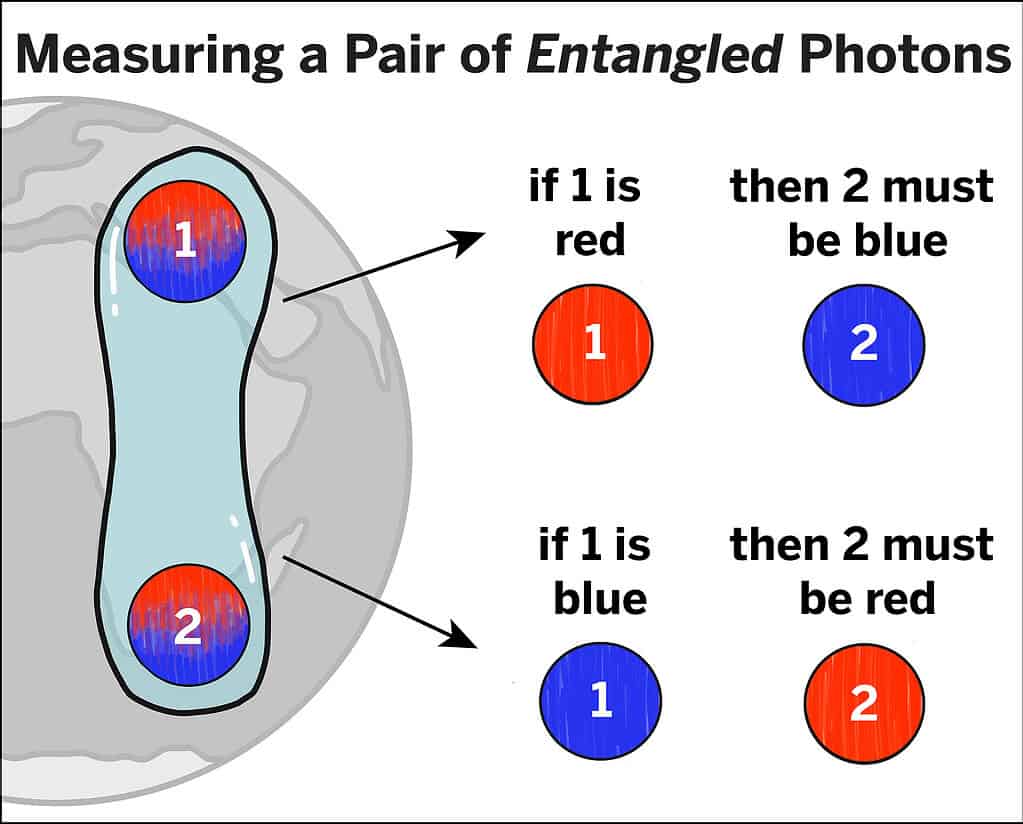
Now add in entanglement — a spooky connection between qubits that lets them influence each other instantly, regardless of distance. This allows quantum computers to perform incredibly complex calculations at speeds unimaginable with classical systems.
Welcome To The Quantum Revolution 3
How Does a Quantum Computer Work?
A quantum computer harnesses the principles of quantum mechanics:
Superposition: Unlike bits that are either 0 or 1, qubits can be both 0 and 1 simultaneously. This exponentially increases computing power.
Entanglement: Qubits can be entangled with one another, meaning the state of one qubit directly influences another, no matter the distance between them.
Quantum Interference: This allows quantum algorithms to amplify the probability of correct answers while canceling out the wrong ones.
The Hardware: A Different Beast Altogether
Quantum machines need ultra-cold environments — often colder than outer space — to function correctly. Types of quantum computers include:
Even if the technology isn’t mature, early experimentation is critical.
The Future: What’s Next for Quantum?
Near-Term (1–5 years):
More qubits and better error rates
Hybrid systems combining classical and quantum computing
Growth in developer tools and cloud-based access
Mid-Term (5–10 years):
Solving real-world problems in chemistry, logistics, and finance
Enterprise integration of quantum services
Increased government regulation and cybersecurity standards
Long-Term (10+ years):
Quantum internet and communication networks
Fully fault-tolerant quantum computers
AI and quantum computing convergence
Getting Started with Quantum Computing
You don’t need a PhD to get involved. Here are ways to start:
Courses: IBM Quantum, edX, Coursera offer beginner-friendly programs.
Playgrounds: Try real quantum hardware on IBM Quantum Experience or Amazon Braket.
Languages: Learn Qiskit (Python-based) or Q# (Microsoft)
Follow Blogs and Podcasts: Stay up to date with the latest advancements.
Conclusion: The Time to Pay Attention is Now
Quantum computing is no longer theoretical science. It’s happening, and its impact will be profound. While we’re still in the early days, the potential is staggering.
Whether you’re a business leader, developer, or curious techie, this is the moment to start paying attention, learning, and experimenting.
Stay tuned to this blog for more guides, updates, and insights into the world of emerging technologies. And if you’re in need of expert advice or tech support, Kingfisher Computers is always here to help you navigate the future — one qubit at a time.
The Illusion of Stability in Modern Updates For most users, operating system updates are something that simply happen. They arrive quietly, often installing in the background, requiring little more than…
Macbook Neo, How Does It Compare To Air & Pro? Over the last few years the laptop market has experienced one of the most significant architectural changes in its history.…
Apple’s latest product announcements mark one of the most significant shifts in the Mac lineup in more than a decade. While Apple routinely updates its hardware with faster chips, incremental…
There is a particular kind of frustration that only a slow computer can produce. It is not dramatic. It is not urgent. It does not scream for attention. Instead, it…
In an era where nearly every aspect of personal computer maintenance and professional life is mediated through digital systems, your computer is no longer a luxury device — it is…
Phone says charging but battery not increasing is one of the most frustrating problems smartphone users face. You plug it in.The lightning bolt appears.It says “Charging.” But the battery percentage…
Apple’s rumour cycle always looks like a thousand disconnected leaks — until you line them up and notice the same themes repeating: AI-first silicon, camera and display differentiation, form-factor experiments (foldables / spatial…
Wi-Fi connected but no internet is one of the most frustrating messages you can see on a computer or laptop. The Wi-Fi icon shows full bars.It says “Connected.”But websites won’t…
Unfortunately, there was an error submitting your request.
Please try again later, or reach out to us directly. You can call us at +44 1429 280955 or email us at sales@kingfishercomputers.co.uk for assistance. We’re here to help you get your computer back up and running!
We’ve received your booking, Our team will get in touch with you shortly to confirm the details. You’re one step closer to having your computer fixed! If you have any urgent questions, feel free to contact us. Otherwise, sit back, and we’ll handle the rest.