Foldable Tech: Are Foldable Devices Finally Ready?
Adam Fornal
April 26th, 2025
Table of Contents
Introduction: The Rise of Foldable Devices
Foldable technology has been one of the most intriguing innovations in the tech world over recent years. Since the initial introduction of foldable phones in the late 2010s, manufacturers have worked tirelessly to perfect this futuristic form factor. But now, as we navigate 2025, we must ask the crucial question: are foldable devices finally ready?
Consumers initially met foldable devices with both excitement and skepticism. Early models promised portability combined with powerful functionality but often suffered from durability issues, software glitches, and high prices. Fast forward to today, manufacturers claim these issues have largely been resolved. But the big question remains: are foldable devices finally ready? Let’s take an in-depth look at the state of foldable technology in 2025.
Foldable Tech: Are Foldable Devices Finally Ready? 4
Foldable Devices Finally Ready? Understanding the Technology
Foldable devices, primarily smartphones and tablets, utilize flexible OLED screens that allow the device to bend and fold without breaking. Major brands like Samsung, Motorola, and Huawei led the charge, introducing devices that blend portability and productivity into a single form factor. But how exactly do these screens manage to fold without breaking?
OLED Screens: The Heart of Foldable Tech
OLED (Organic Light Emitting Diode) screens are critical to the foldable technology puzzle. Unlike traditional screens, OLED panels are incredibly flexible and thin, allowing manufacturers to create devices that fold. But despite their flexibility, early OLED screens suffered from durability concerns. So, are foldable devices finally ready? Today’s OLED screens have been significantly upgraded with ultra-thin glass (UTG) coatings and enhanced polymer layers that provide better scratch resistance and durability.
Hinges and Mechanical Durability
A significant challenge foldable devices initially faced involved the hinges used to fold the devices. Early models had hinges susceptible to dust, debris, and wear-and-tear, leading many to question: are foldable devices finally ready? By 2025, manufacturers have perfected hinge technology, making devices like the Samsung Galaxy Z Fold series and Motorola Razr far more robust and long-lasting. These improved hinges offer smoother folding motions and better durability, ensuring that today’s foldable devices withstand everyday usage effectively.
Battery and Internal Components
Another vital consideration in evaluating foldable devices is their battery life and internal component management. Are foldable devices finally ready to offer lasting power throughout the day? Modern foldable devices have drastically improved battery technologies, allowing larger, flexible batteries that fit seamlessly into the foldable design. Additionally, efficient software optimizations ensure that battery life remains comparable to traditional smartphones.
Foldable Tech: Are Foldable Devices Finally Ready? 5
Consumers value practicality above all. So how do foldable devices stack up in real-life scenarios?
Daily Convenience and Portability
Are foldable devices finally ready to offer genuine convenience in everyday life? In 2025, foldable phones like the Galaxy Z Flip and Huawei Mate X provide portability unmatched by traditional smartphones. These devices easily slip into pockets yet unfold into fully functional tablets when needed, providing a versatile user experience ideal for commuting, traveling, or casual browsing.
Productivity and Multitasking Capabilities
Foldable devices finally ready to enhance productivity? Absolutely. Modern foldable phones and tablets have significantly improved multitasking capabilities, thanks to larger screen real estate when unfolded. Devices like the Microsoft Surface Duo 3 or Samsung Galaxy Z Fold provide users with split-screen functionality, improved software ecosystems, and optimized applications that dramatically boost productivity, particularly for professionals and business users.
Software Compatibility and App Optimization
Early foldable devices faced software compatibility issues due to the unconventional form factor. Are foldable devices finally ready on the software front? By 2025, both Android and Windows ecosystems have matured significantly. App developers now prioritize foldable screen compatibility, ensuring smooth transitions between folded and unfolded modes, optimized user interfaces, and seamless functionality. Popular applications from Google Workspace to Adobe Creative Suite have fully embraced foldable device compatibility.
Gaming and Entertainment
Gaming and multimedia consumption have also benefited immensely from foldable tech. Are foldable devices finally ready for high-end gaming and media? Unfolded screens offer an immersive gaming experience, and leading game developers now optimize titles specifically for foldable screens, delivering stunning graphics and engaging gameplay. Streaming services like Netflix and Disney+ also support foldable device screen formats, enhancing the entertainment experience.
Foldable Tech: Are Foldable Devices Finally Ready? 6
Pricing and Market Availability: Are Foldable Devices Finally Ready for Mainstream?
Price Drop and Consumer Accessibility
Foldable technology initially came with hefty price tags, deterring many potential buyers. Are foldable devices finally ready in terms of affordability? Fortunately, by 2025, prices have begun to stabilize, making foldable devices accessible to a broader range of consumers. Brands like Motorola and Samsung now offer affordable models, bridging the gap between high-end premium devices and mid-range consumer affordability.
Variety and Consumer Choice
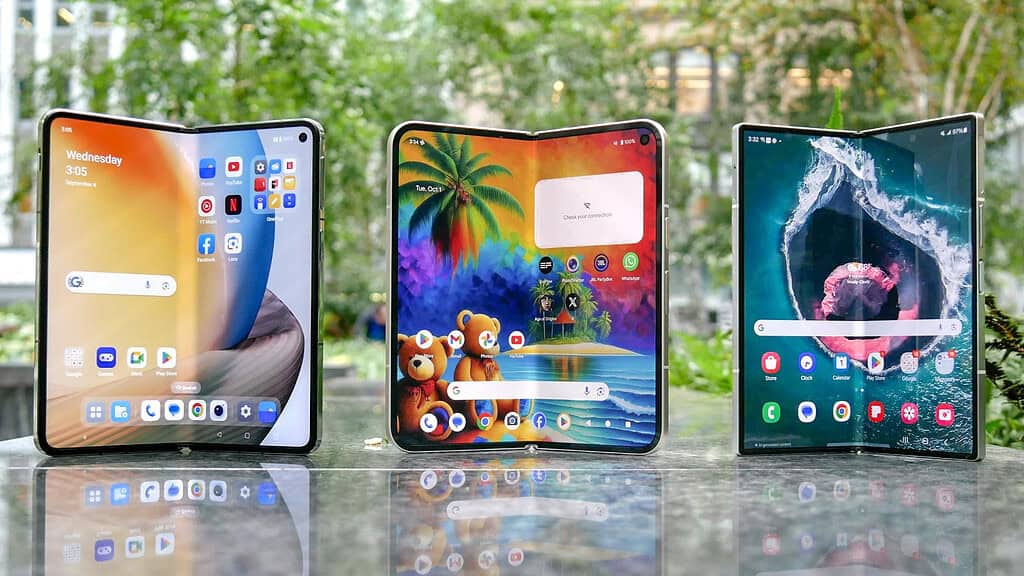
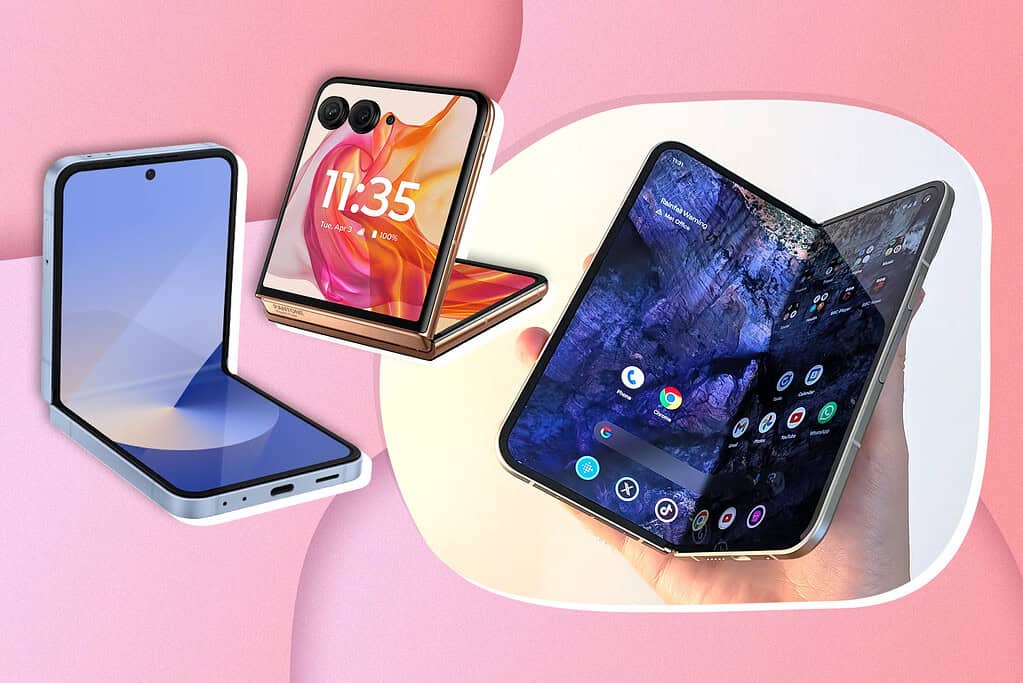
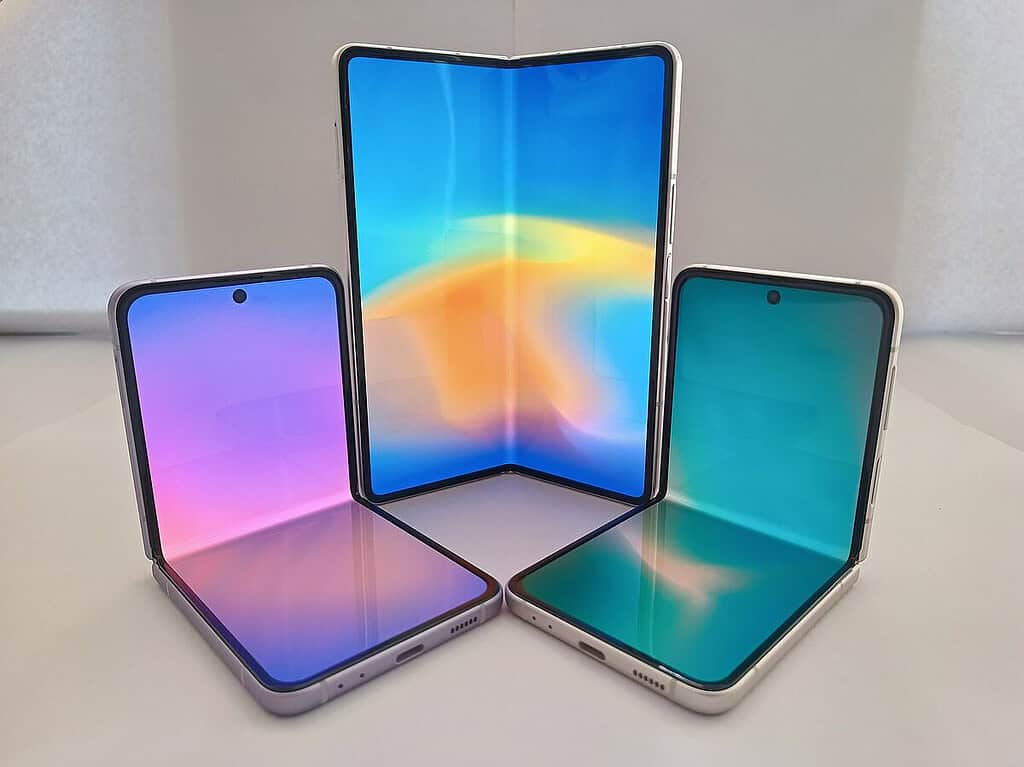
Another sign of foldable technology maturity is the variety now available to consumers. Foldable devices finally ready with diverse options? Yes, brands now offer multiple form factors, from compact flip phones like the Motorola Razr to larger tablet-like devices from Samsung and Microsoft. This diversity caters to various user preferences, significantly increasing foldable tech’s appeal.
Durability and Warranty Support
Early foldable devices raised concerns about longevity and durability. Are foldable devices finally ready to last? Improvements in build quality, material science, and warranty support have significantly boosted consumer confidence. Leading brands now offer robust warranty plans and better customer service, addressing concerns about potential durability issues.
Consumer Adoption Trends
Market trends in 2025 indicate strong consumer interest and adoption. Reports from industry analysts at Gartner and IDC suggest foldable tech’s market share has grown steadily. With consumer satisfaction rates higher than ever, the answer to the question “Are foldable devices finally ready?” seems increasingly positive.
Conclusion: Are Foldable Devices Finally Ready?
Foldable technology has come a long way since its inception. In 2025, advancements in screen technology, software optimization, durability, and pricing indicate foldable devices finally ready for mainstream adoption. These innovative gadgets now offer significant advantages in productivity, entertainment, and convenience that traditional devices struggle to match.
So, are foldable devices finally ready? The evidence overwhelmingly suggests yes. Whether you’re a tech enthusiast, a business professional, or an everyday user seeking convenience, today’s foldable devices offer a compelling combination of functionality, portability, and practicality that’s genuinely transformative.
For further reading, check out our related post on DDR5 RAM: Is It Worth Upgrading in 2025?, or explore external insights from reputable sources like CNET and TechRadar to deepen your understanding of this exciting technology.
Embrace the foldable future—because foldable devices are finally ready.
The Illusion of Stability in Modern Updates For most users, operating system updates are something that simply happen. They arrive quietly, often installing in the background, requiring little more than…
Macbook Neo, How Does It Compare To Air & Pro? Over the last few years the laptop market has experienced one of the most significant architectural changes in its history.…
Apple’s latest product announcements mark one of the most significant shifts in the Mac lineup in more than a decade. While Apple routinely updates its hardware with faster chips, incremental…
There is a particular kind of frustration that only a slow computer can produce. It is not dramatic. It is not urgent. It does not scream for attention. Instead, it…
In an era where nearly every aspect of personal computer maintenance and professional life is mediated through digital systems, your computer is no longer a luxury device — it is…
Phone says charging but battery not increasing is one of the most frustrating problems smartphone users face. You plug it in.The lightning bolt appears.It says “Charging.” But the battery percentage…
Apple’s rumour cycle always looks like a thousand disconnected leaks — until you line them up and notice the same themes repeating: AI-first silicon, camera and display differentiation, form-factor experiments (foldables / spatial…
Wi-Fi connected but no internet is one of the most frustrating messages you can see on a computer or laptop. The Wi-Fi icon shows full bars.It says “Connected.”But websites won’t…
Unfortunately, there was an error submitting your request.
Please try again later, or reach out to us directly. You can call us at +44 1429 280955 or email us at sales@kingfishercomputers.co.uk for assistance. We’re here to help you get your computer back up and running!
We’ve received your booking, Our team will get in touch with you shortly to confirm the details. You’re one step closer to having your computer fixed! If you have any urgent questions, feel free to contact us. Otherwise, sit back, and we’ll handle the rest.