Cloud Computing Innovations: Enhancing Data Accessibility and Security
Adam Fornal
April 8th, 2025
Table of Contents
The world of technology has seen rapid changes over the last decade, and one of the most profound transformations has been the rise of cloud computing. Once considered a futuristic innovation, cloud computing has now become a cornerstone of modern business operations. From streamlining data accessibility to improving security measures, cloud computing has revolutionized how businesses manage their data and resources. In this blog, we will explore how cloud computing innovations are enhancing both data accessibility and security, providing companies with the tools they need to stay competitive in today’s digital age.
What is Cloud Computing?
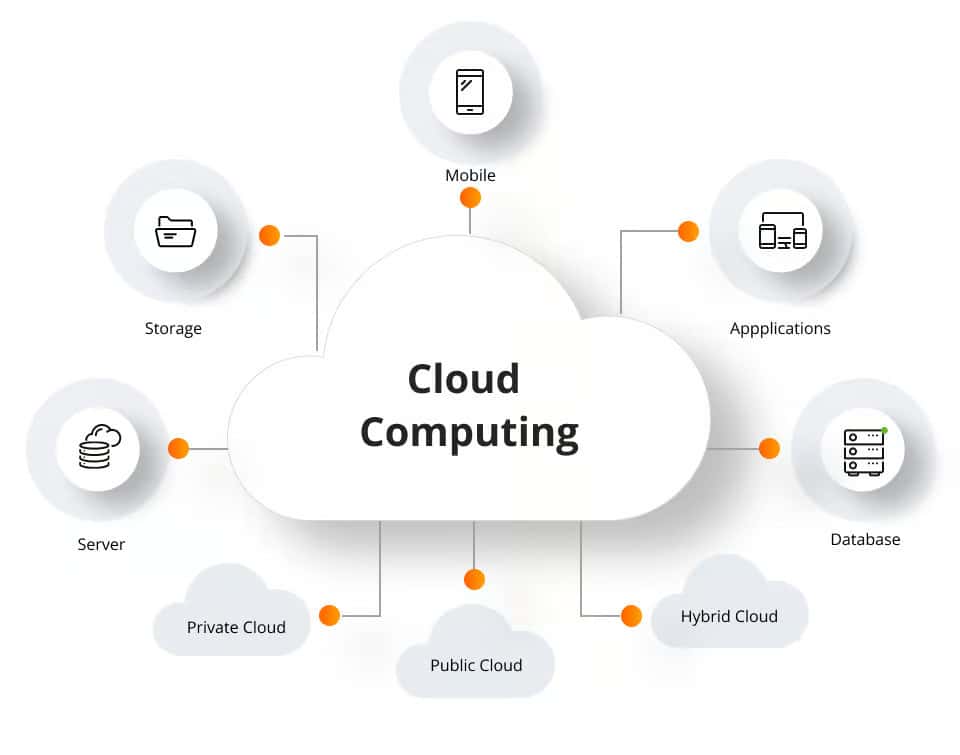
Before we dive into the innovations driving cloud computing, let’s quickly recap what cloud computing is and why it’s so important. In simple terms, cloud computing refers to the delivery of computing services—including storage, processing, and networking—over the internet. Instead of relying on local servers and hardware, businesses can access data and applications through the cloud, hosted remotely by cloud providers such as Amazon Web Services (AWS), Microsoft Azure, and Google Cloud.
Cloud computing offers three main service models:
Infrastructure as a Service (IaaS) – Provides virtualized computing resources over the internet.
Platform as a Service (PaaS) – Supplies a platform allowing customers to develop, run, and manage applications without dealing with the complexities of infrastructure.
Software as a Service (SaaS) – Offers software applications over the internet on a subscription basis, eliminating the need for on-premise installations.
Cloud Computing Innovations: Enhancing Data Accessibility And Security 5
Cloud Computing Innovations in Data Accessibility
One of the most significant benefits of cloud computing is its ability to enhance data accessibility. Businesses are no longer tied to on-premise servers or hardware, allowing employees to access files and applications from anywhere, at any time. This level of convenience and flexibility is essential in the modern business environment, where remote work and global collaboration are the norm.
1. Global Data Access
With cloud computing, your data is stored on servers that can be located anywhere in the world. This enables businesses to access their information no matter where they are, whether working in the office, at home, or while traveling. Cloud services offer global scalability, ensuring that employees in different time zones or countries can access the same data in real time, fostering seamless collaboration.
Moreover, as businesses expand globally, cloud providers offer localized data storage options, which allow companies to store data closer to their operations, reducing latency and improving the speed of data retrieval.
2. Real-Time Collaboration and Integration
Modern businesses rely on collaboration tools that allow teams to work on documents, projects, and tasks simultaneously, no matter where they are located. With cloud computing, businesses can leverage software like Google Workspace, Microsoft Office 365, and Slack, which enable real-time collaboration. These tools ensure that multiple users can work on the same document or project concurrently, with changes being reflected instantly for all parties involved.
Cloud computing also makes it easier for businesses to integrate various software tools. With cloud-based applications, employees can access multiple systems without having to switch between programs or log into different devices, streamlining workflows and boosting productivity.
3. Scalability and Flexibility
As businesses grow, their data needs increase. Cloud computing allows businesses to scale their resources as needed, providing the flexibility to store and manage larger volumes of data without worrying about physical hardware limitations. With cloud storage, you can increase or decrease your storage capacity on-demand, ensuring that you only pay for what you use.
This scalability feature also allows businesses to adjust their storage plans based on seasonal changes in data usage. For example, an e-commerce company might experience a surge in traffic during peak shopping seasons, and with cloud computing, they can quickly scale up their storage capacity to meet the demand without worrying about infrastructure costs or delays.
Cloud Computing Innovations in Data Security
While the accessibility benefits of cloud computing are clear, the security aspect of cloud services is equally critical. Cloud providers have made significant advancements in ensuring that the data stored and processed in the cloud is safe from unauthorized access, data breaches, and cyberattacks.
1. Enhanced Encryption Protocols
One of the main concerns regarding cloud computing is the security of data stored remotely. However, cloud providers have implemented advanced encryption techniques to secure data both in transit and at rest. Encryption is a method that converts data into an unreadable format, which can only be decrypted with the correct key.
Cloud services now offer end-to-end encryption, meaning that your data is encrypted before it leaves your device and remains encrypted while stored on the cloud server. This level of encryption ensures that even if a cybercriminal intercepts your data during transmission, they will not be able to read or misuse it.
2. Multi-Factor Authentication (MFA)
Cloud computing services have integrated multi-factor authentication (MFA) to enhance security. MFA requires users to provide two or more forms of authentication to gain access to their accounts, typically something they know (a password), something they have (a phone or hardware token), or something they are (fingerprint or facial recognition).
By implementing MFA, businesses can significantly reduce the risk of unauthorized access to sensitive data, even if an employee’s password is compromised. MFA provides an extra layer of protection against hacking attempts and ensures that only authorized individuals can access critical business information.
3. Automated Backups and Disaster Recovery
Another critical aspect of data security in cloud computing is the ability to recover data in the event of a system failure or disaster. Cloud providers offer automated backup services, ensuring that your data is regularly backed up and stored in multiple locations. This eliminates the need for businesses to manually back up their data, reducing the risk of human error.
In the event of a disaster, whether it’s a cyberattack, system failure, or natural disaster, cloud computing provides businesses with the ability to recover their data quickly and efficiently. With disaster recovery solutions, businesses can continue operations with minimal downtime, ensuring business continuity.
4. Compliance with Industry Regulations
As data privacy laws continue to evolve, cloud providers are investing heavily in ensuring that their services comply with various industry regulations. Whether it’s GDPR in Europe, HIPAA in the United States, or other country-specific regulations, cloud computing providers ensure that businesses can safely store and process sensitive information in compliance with legal requirements.
Many cloud services offer built-in compliance features that help businesses maintain data privacy standards. By leveraging these services, businesses can ensure they are adhering to industry best practices while minimizing the risk of non-compliance penalties.
The Future of Cloud Computing: Innovations on the Horizon
As cloud computing continues to evolve, we can expect even more innovations that will enhance both data accessibility and security. Some of the most exciting trends on the horizon include:
1. Edge Computing
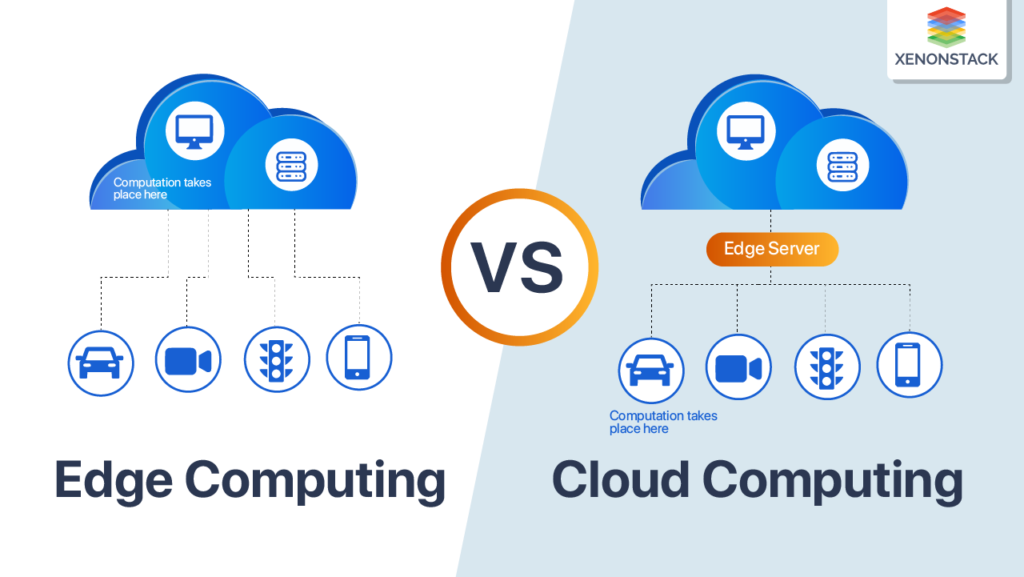
Edge computing is the process of processing data closer to the source of the data rather than sending it to a centralized cloud server. This will improve the speed and efficiency of data processing, especially for businesses that rely on real-time data, such as those in IoT (Internet of Things) industries. By reducing the latency associated with cloud computing, edge computing allows businesses to make faster, data-driven decisions.
Cloud Computing Innovations: Enhancing Data Accessibility And Security 6
2. AI-Powered Security
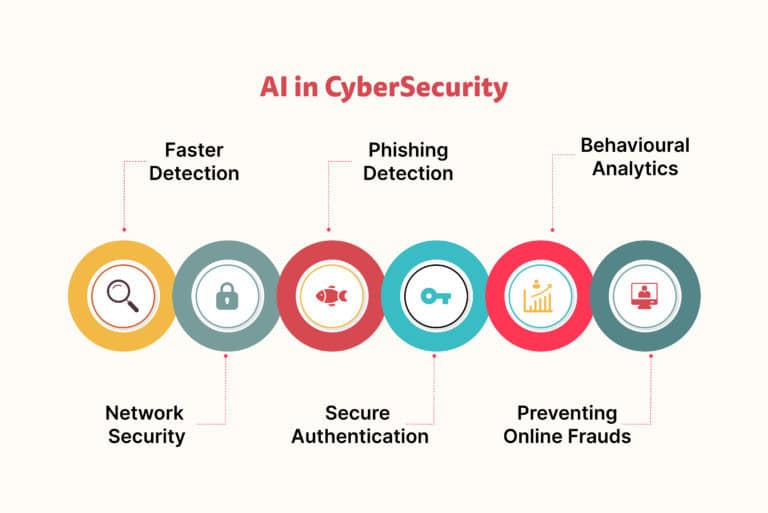
Artificial intelligence (AI) and machine learning are playing an increasingly significant role in cloud computing security. AI-powered security tools can detect unusual patterns of behavior and automatically respond to potential security threats. For example, AI can identify abnormal login attempts or unusual data access patterns and take proactive measures, such as blocking the access or notifying the security team.
Cloud Computing Innovations: Enhancing Data Accessibility And Security 7
3. Quantum Computing
Although still in its early stages, quantum computing has the potential to revolutionize cloud computing. Quantum computers are able to solve complex problems much faster than traditional computers, which could lead to advancements in data processing and encryption methods. As quantum computing becomes more mainstream, we can expect to see faster, more secure cloud services emerge.
Cloud Computing Innovations: Enhancing Data Accessibility And Security 8
Conclusion: The Future of Cloud Computing
Cloud computing has already transformed how businesses operate, and with ongoing innovations in data accessibility and security, it is only going to get better. As businesses continue to embrace the cloud, the ability to access data from anywhere while ensuring it is protected from cyber threats will be essential for staying competitive. Learn more about cloud computing innovations on our blog.
By adopting the latest cloud technologies and staying informed about the latest security trends, businesses can ensure that they are taking full advantage of the benefits cloud computing has to offer. Whether you’re improving collaboration, scaling your operations, or protecting sensitive data, cloud computing solutions from Kingfisher Computers provide a versatile and secure solution to meet your needs.
The Illusion of Stability in Modern Updates For most users, operating system updates are something that simply happen. They arrive quietly, often installing in the background, requiring little more than…
Macbook Neo, How Does It Compare To Air & Pro? Over the last few years the laptop market has experienced one of the most significant architectural changes in its history.…
Apple’s latest product announcements mark one of the most significant shifts in the Mac lineup in more than a decade. While Apple routinely updates its hardware with faster chips, incremental…
There is a particular kind of frustration that only a slow computer can produce. It is not dramatic. It is not urgent. It does not scream for attention. Instead, it…
In an era where nearly every aspect of personal computer maintenance and professional life is mediated through digital systems, your computer is no longer a luxury device — it is…
Phone says charging but battery not increasing is one of the most frustrating problems smartphone users face. You plug it in.The lightning bolt appears.It says “Charging.” But the battery percentage…
Apple’s rumour cycle always looks like a thousand disconnected leaks — until you line them up and notice the same themes repeating: AI-first silicon, camera and display differentiation, form-factor experiments (foldables / spatial…
Wi-Fi connected but no internet is one of the most frustrating messages you can see on a computer or laptop. The Wi-Fi icon shows full bars.It says “Connected.”But websites won’t…
Unfortunately, there was an error submitting your request.
Please try again later, or reach out to us directly. You can call us at +44 1429 280955 or email us at sales@kingfishercomputers.co.uk for assistance. We’re here to help you get your computer back up and running!
We’ve received your booking, Our team will get in touch with you shortly to confirm the details. You’re one step closer to having your computer fixed! If you have any urgent questions, feel free to contact us. Otherwise, sit back, and we’ll handle the rest.