What Are AI PCs and Do You Really Need One in 2025?
Adam Fornal
July 19th, 2025
Table of Contents
What Are AI PCs and Do You Really Need One in 2025?
The computer industry stands at a pivotal moment as artificial intelligence transforms from a specialized technology into an everyday computing necessity. AI PCs represent the next evolution in personal computing, promising to revolutionize how we work, create, and interact with our devices. As we navigate through 2025, understanding what makes these machines different and whether they’re worth the investment becomes crucial for consumers and professionals alike.
These artificial intelligence-enhanced computers aren’t just marketing hype—they represent a fundamental shift in computer architecture and capabilities. AI PCs incorporate dedicated processing units alongside traditional CPU and GPU components, enabling them to perform complex machine learning tasks locally without relying on cloud services. This transformation affects everything from battery life and privacy to performance and functionality, making it essential to understand their true value proposition before making your next computer purchase.
What Are Ai Pcs And Do You Really Need One In 2025? 5
Understanding the Technology Behind AI PCs
The emergence of artificial intelligence-powered computers marks a significant departure from traditional computing architectures. While conventional computers rely primarily on central processing units and graphics processing units for computation, AI PCs integrate specialized Neural Processing Units designed specifically for artificial intelligence workloads. This dedicated hardware enables these machines to execute machine learning algorithms with remarkable efficiency, often consuming significantly less power than equivalent cloud-based processing.
The Core Components That Define AI PCs
Modern artificial intelligence computers incorporate several key technological components that distinguish them from traditional systems. The Neural Processing Unit serves as the heart of functionality, featuring thousands of specialized cores optimized for the parallel processing demands of machine learning algorithms. Unlike CPUs that excel at sequential tasks or GPUs designed for graphics rendering, NPUs can simultaneously process multiple operations, making AI PCs exceptionally efficient at tasks like voice recognition, image processing, and predictive text generation.
The integration of these components requires sophisticated coordination between hardware and software layers. These systems utilize advanced architectures that allow seamless data flow between traditional processors and specialized components. This coordination ensures that routine computing tasks continue to operate smoothly while artificial intelligence features enhance the overall user experience. Memory subsystems in these computers also receive special attention, with high-bandwidth memory configurations that support the data-intensive nature of processing.
How AI Processing Differs from Traditional Computing
The fundamental difference between AI PCs and conventional computers lies in their approach to data processing and problem-solving. Traditional computers execute instructions sequentially, following predetermined algorithms to achieve specific outcomes. In contrast, artificial intelligence-enhanced systems can learn from data patterns, make predictions, and adapt their behavior based on user interactions and environmental factors.
This capability enables these computers to provide personalized experiences that improve over time. For example, these systems can learn individual typing patterns to provide more accurate autocorrect suggestions, understand user preferences for application launches, and optimize system performance based on usage patterns. The local processing capability means these personalizations happen without sending sensitive data to external servers, addressing privacy concerns while maintaining functionality.
The Current State of AI PCs in 2025
As we progress through 2025, artificial intelligence computers have evolved from experimental prototypes into commercially viable products available from major manufacturers. The market now offers various configurations ranging from entry-level systems with basic acceleration to high-performance workstations capable of running sophisticated machine learning models locally. This maturation reflects both technological advancement and growing consumer demand for enhanced computing experiences.
What Are Ai Pcs And Do You Really Need One In 2025? 6
Major Manufacturers and Their AI PC Offerings
The landscape of AI PCs in 2025 showcases intense competition among established technology companies and emerging players. Intel, AMD, and Qualcomm have developed specialized processors that integrate acceleration directly into their chip architectures. These processors power systems from manufacturers like Dell, HP, Lenovo, and Microsoft, each offering unique implementations of enhanced features.
Intel’s approach focuses on their Neural Processing Unit technology, which they’ve integrated across their processor lineup from budget-friendly models to high-performance variants. Their acceleration enables features like real-time language translation, intelligent video conferencing enhancements, and automated content creation assistance. AMD has countered with their own processing solutions, emphasizing efficiency and performance per watt in their implementations.
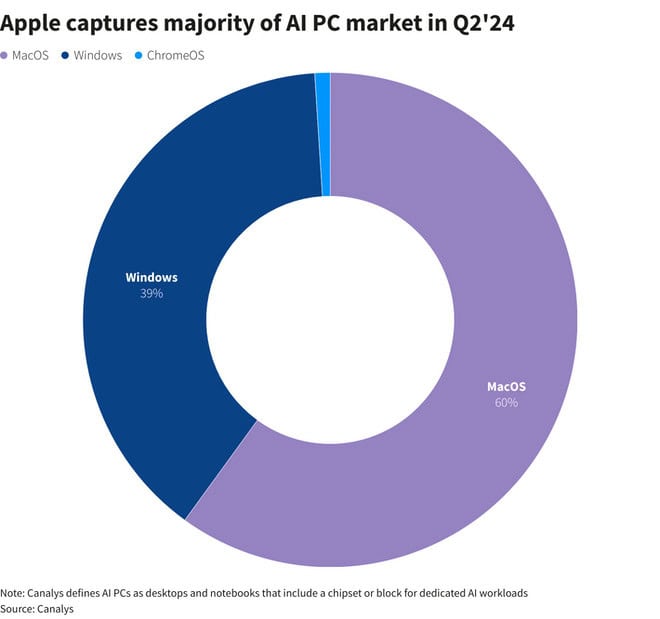
Apple’s entry into the AI PCs market deserves special attention due to their integrated hardware and software approach. The company’s M-series processors include dedicated neural engines that enable sophisticated features across macOS and integrated applications. Apple’s systems demonstrate seamless integration between system-level processing and user-facing features, setting a benchmark for user experience in the computing space.
The company’s focus on privacy-first processing aligns perfectly with the value proposition of local computation. Features like on-device Siri processing, intelligent photo organization, and predictive text input showcase how these computers can deliver advanced functionality without compromising user privacy. Apple’s approach influences the broader market by demonstrating the importance of software optimization and user experience design.
What Are Ai Pcs And Do You Really Need One In 2025? 7
Emerging Players and Innovation Trends
Beyond established manufacturers, several emerging companies are pushing the boundaries of what artificial intelligence computers can accomplish. Startups specializing in acceleration hardware are developing novel approaches to neural processing that promise even greater efficiency and capability. These innovations suggest that the AI PCs market will continue evolving rapidly, with new features and capabilities emerging regularly.
The trend toward modular processing represents an interesting development in design. Some manufacturers are exploring upgradeable acceleration modules, allowing users to enhance their system’s capabilities without replacing the entire computer. This approach could make these systems more accessible and extend their useful lifespan as technologies continue advancing.
Real-World Applications and Use Cases
The practical applications of AI PCs extend far beyond theoretical possibilities, with real-world implementations demonstrating tangible benefits across various user scenarios. Content creators leverage these systems for accelerated video editing, automated audio enhancement, and intelligent content optimization. Business professionals utilize them for enhanced presentation creation, automated data analysis, and improved collaboration tools that adapt to individual communication styles.
Students and educators find artificial intelligence computers particularly valuable for personalized learning experiences, automated research assistance, and intelligent note-taking systems that can summarize complex information and identify key concepts. The local processing capabilities ensure that sensitive academic work remains private while still benefiting from enhancement.
Gaming and Entertainment Applications
The gaming industry has embraced AI PCs as platforms for next-generation gaming experiences. These systems can generate realistic non-player character behaviors, create dynamic game environments that adapt to player preferences, and provide real-time performance optimization that maintains smooth gameplay across varying system loads. These computers also excel at content streaming, with intelligent encoding algorithms that maintain high-quality video while minimizing bandwidth requirements.
Entertainment applications include intelligent media organization systems that can automatically categorize and tag personal photo and video collections. Advanced audio processing capabilities enable features like real-time noise cancellation during video calls and intelligent audio enhancement for music and podcast playback. These entertainment features demonstrate how artificial intelligence computers can enhance everyday computing experiences beyond productivity applications.
Performance Benefits and Limitations of AI PCs
Understanding the performance characteristics of AI PCs requires examining both their strengths and current limitations. These systems excel at specific types of workloads while potentially offering minimal advantages for traditional computing tasks. The key to evaluating these computers lies in understanding how their specialized capabilities align with individual user needs and workflows.
What Are Ai Pcs And Do You Really Need One In 2025? 8
Speed and Efficiency Advantages
Artificial intelligence computers demonstrate remarkable efficiency when handling specific workloads compared to traditional computers attempting the same tasks. Local processing eliminates the latency associated with cloud-based services, providing near-instantaneous responses for features like voice commands, image recognition, and text prediction. This responsiveness creates a more fluid user experience, particularly for applications that rely heavily on functionality.
The energy efficiency of AI PCs represents another significant advantage, particularly for mobile users. Dedicated processing units consume significantly less power than general-purpose processors when handling machine learning tasks. This efficiency translates to extended battery life for laptops and reduced heat generation, contributing to quieter operation and improved thermal management across all form factors.
Benchmarking AI Performance Metrics
Measuring the performance of AI PCs requires specialized benchmarks that evaluate specific capabilities alongside traditional computing metrics. Standard productivity benchmarks may show minimal differences between these systems and conventional computers, while focused tests reveal substantial performance gaps. Users considering these systems should focus on benchmarks that reflect their intended use cases rather than relying solely on general-purpose performance metrics.
Current artificial intelligence computers demonstrate particularly impressive performance in natural language processing tasks, computer vision applications, and audio processing workloads. These systems can transcribe speech, translate languages, and enhance images at speeds that would be impossible with traditional computing architectures. The performance advantages become more pronounced as workloads increase in complexity and frequency.
Current Limitations and Challenges
Despite their advantages, AI PCs face several limitations that potential buyers should understand. The software ecosystem for enhanced applications remains relatively immature, with many traditional applications unable to take advantage of specialized hardware. This limitation means that these computers may not provide significant benefits for users whose workflows rely primarily on conventional software applications.
Cost considerations also present challenges for adoption. The specialized hardware required for acceleration increases manufacturing costs, resulting in higher prices compared to equivalent traditional computers. Additionally, the rapid pace of technology development means that these systems may face shorter useful lifespans as newer, more capable hardware becomes available.
Compatibility and Software Support Issues
The software landscape for AI PCs continues evolving, with developers gradually adding support for acceleration features. However, many existing applications cannot utilize the specialized hardware in these systems, potentially limiting their immediate value proposition. Users must carefully evaluate whether their current software ecosystem can benefit from capabilities or if they’re willing to adapt their workflows to take advantage of enhanced applications.
Operating system support varies significantly between platforms, with some offering deep integration of features while others provide minimal native support. This variation affects the overall user experience and determines how effectively these computers can deliver on their promise of enhanced computing. Prospective buyers should research platform-specific implementations to ensure compatibility with their preferred software ecosystem.
Making the Decision: Do You Need an AI PC in 2025?
The decision to invest in AI PCs depends on individual user needs, workflows, and future computing requirements. While these systems offer compelling advantages for specific use cases, they may provide limited benefits for users whose computing needs center around traditional applications and workflows. Understanding your computing requirements and how they align with capabilities is essential for making an informed purchasing decision.
Who Benefits Most from AI PCs
Artificial intelligence computers provide the greatest value for users whose workflows involve significant enhanced tasks or who frequently interact with applications that leverage machine learning capabilities. Content creators working with video editing, audio production, or graphic design find AI PCs particularly beneficial due to their ability to accelerate rendering, enhance media quality, and automate repetitive creative tasks. These systems also excel for professionals working with data analysis, research, and development activities that can leverage assistance.
Early adopters and technology enthusiasts represent another group that benefits significantly from these computers. These users appreciate access to cutting-edge features and enjoy exploring new ways to integrate capabilities into their computing workflows. For these users, artificial intelligence systems provide a platform for experimenting with emerging applications and staying ahead of technological trends.
Business and Professional Use Cases
Business professionals increasingly find AI PCs valuable for enhancing productivity and streamlining complex workflows. These systems excel at automating routine tasks, providing intelligent scheduling assistance, and offering real-time language translation during international communications. These computers also support enhanced security features like intelligent threat detection and biometric authentication that adapts to user behavior patterns.
Professional developers and researchers working with machine learning applications find these systems essential for their work. They enable local model training, rapid prototyping of applications, and efficient testing of algorithms without relying on cloud computing resources. The ability to work with sensitive data locally while maintaining functionality makes artificial intelligence computers particularly attractive for professionals in regulated industries.
Evaluating the financial justification for AI PCs requires comparing their premium pricing against the value they provide for specific use cases. Users whose work directly benefits from acceleration may find the productivity improvements justify the additional cost, while casual users might struggle to realize sufficient value from the investment. The decision should consider both immediate benefits and potential future value as the software ecosystem continues maturing.
The total cost of ownership extends beyond initial purchase price to include factors like software licensing, training requirements, and potential obsolescence risks. Users should factor in the learning curve associated with enhanced workflows and the possibility that rapid technological advancement might require earlier replacement cycles compared to traditional computers.
Calculating Return on Investment
For business users, calculating the return on investment involves quantifying productivity improvements, cost savings from local processing, and competitive advantages gained through early adoption of technologies. These calculations should include both tangible benefits like reduced cloud service costs and intangible advantages such as improved customer experiences or enhanced creative capabilities.
Individual consumers can evaluate value by considering time savings, enhanced creative capabilities, and improved computing experiences. While these benefits may be harder to quantify financially, they contribute to overall user satisfaction and productivity. The decision ultimately depends on how much value individuals place on cutting-edge technology and enhanced computing experiences.
Alternative Options and Future Considerations
Before committing to AI PCs, users should consider alternative approaches to accessing capabilities. Cloud-based services continue improving and may provide sufficient functionality for many users without requiring specialized hardware. Hybrid approaches that combine traditional computers with cloud services offer flexibility and may prove more cost-effective for certain use cases.
The rapid evolution of technology suggests that waiting for future generations might provide better value for some users. However, this approach involves trade-offs between current availability of features and potential future improvements. Users should consider their immediate needs against the uncertainty of future technological developments when making purchasing decisions.
Future-Proofing Your Investment
These computers represent a relatively new category with uncertain long-term trajectories. Users investing in these systems should consider factors like upgrade pathways, manufacturer support commitments, and the likelihood that their chosen platform will remain relevant as technologies evolve. Selecting AI PCs from established manufacturers with strong track records of long-term support may help mitigate obsolescence risks.
The software ecosystem supporting these computers will likely expand significantly over the coming years, potentially increasing the value of current hardware investments. However, the pace of hardware development suggests that future generations may offer substantially improved capabilities, making timing a crucial factor in the purchasing decision.
The Future of Personal Computing with AI PCs
AI PCs represent a significant evolution in personal computing, offering capabilities that extend far beyond traditional computer functions. As we progress through 2025, these systems demonstrate both tremendous potential and current limitations that affect their suitability for different users. The decision to invest should be based on careful evaluation of individual needs, workflows, and the value placed on cutting-edge technology.
The Broader Impact on Computing
The emergence of artificial intelligence computers signals a broader transformation in how we interact with computers and process information. These systems enable more intuitive, personalized computing experiences that adapt to individual users and workflows. As the software ecosystem matures and capabilities expand, AI PCs are likely to become increasingly essential for users who want to remain competitive in an enhanced world.
The influence extends beyond individual productivity to encompass entire industries and workflow paradigms. Organizations that embrace these technologies early may gain significant competitive advantages through improved efficiency, enhanced creative capabilities, and better data insights. The widespread adoption could accelerate the integration of technologies across various sectors and applications.
Making Your Decision in 2025
For most users in 2025, AI PCs represent an investment in future capabilities rather than immediate necessities. However, specific user groups—including content creators, business professionals working with data, and technology enthusiasts—may find immediate and substantial benefits from these systems. The key lies in honestly evaluating your current and anticipated computing needs against the specific capabilities that these computers provide.
As the technology continues evolving and the software ecosystem expands, artificial intelligence computers will likely become more compelling for broader audiences. Early adopters willing to invest in these systems today may benefit from both immediate capabilities and the advantages of being prepared for an increasingly integrated computing future. Ultimately, the decision depends on balancing current needs, future requirements, and the value placed on being at the forefront of computing technology.
The question isn’t whether AI PCs will become mainstream—it’s when and how quickly this transition will occur. Users who choose to invest today are positioning themselves for a future where enhanced computing becomes the norm rather than the exception. Whether this timing aligns with your needs and budget determines whether these systems represent the right choice for your computing future.
The Illusion of Stability in Modern Updates For most users, operating system updates are something that simply happen. They arrive quietly, often installing in the background, requiring little more than…
Macbook Neo, How Does It Compare To Air & Pro? Over the last few years the laptop market has experienced one of the most significant architectural changes in its history.…
Apple’s latest product announcements mark one of the most significant shifts in the Mac lineup in more than a decade. While Apple routinely updates its hardware with faster chips, incremental…
There is a particular kind of frustration that only a slow computer can produce. It is not dramatic. It is not urgent. It does not scream for attention. Instead, it…
In an era where nearly every aspect of personal computer maintenance and professional life is mediated through digital systems, your computer is no longer a luxury device — it is…
Phone says charging but battery not increasing is one of the most frustrating problems smartphone users face. You plug it in.The lightning bolt appears.It says “Charging.” But the battery percentage…
Apple’s rumour cycle always looks like a thousand disconnected leaks — until you line them up and notice the same themes repeating: AI-first silicon, camera and display differentiation, form-factor experiments (foldables / spatial…
Wi-Fi connected but no internet is one of the most frustrating messages you can see on a computer or laptop. The Wi-Fi icon shows full bars.It says “Connected.”But websites won’t…
Unfortunately, there was an error submitting your request.
Please try again later, or reach out to us directly. You can call us at +44 1429 280955 or email us at [email protected] for assistance. We’re here to help you get your computer back up and running!
We’ve received your booking, Our team will get in touch with you shortly to confirm the details. You’re one step closer to having your computer fixed! If you have any urgent questions, feel free to contact us. Otherwise, sit back, and we’ll handle the rest.