AI in 2025: How It’s Changing Computers, Work, and Maybe Your Toaster
Adam Fornal
April 17th, 2025
Table of Contents
Introduction: Welcome to the AI Future
AI in 2025 isn’t a distant concept anymore; it’s an everyday reality actively reshaping computers, workplaces, and home appliances. We’re now living in a world where artificial intelligence has become seamlessly integrated into nearly every facet of our lives. From the phones in our pockets to our work computers, and even our kitchen appliances, AI is quietly and constantly enhancing our daily experiences. But what exactly does AI in 2025 look like, and how is it changing our lives?
In this comprehensive guide, we’ll explore the incredible transformations AI has brought by 2025. You’ll discover real-world examples, technological advancements, and even how something as simple as your toaster could be smarter than ever before.
Understanding AI in 2025: What Exactly is AI?
Artificial intelligence (AI) refers to the ability of machines or computers to simulate human intelligence—tasks such as learning, reasoning, problem-solving, perception, and language understanding. By 2025, AI technology has significantly evolved beyond its earlier forms. It’s now more intuitive, practical, and influential in every industry imaginable.
AI-Powered Computers: More Intuitive Than Ever
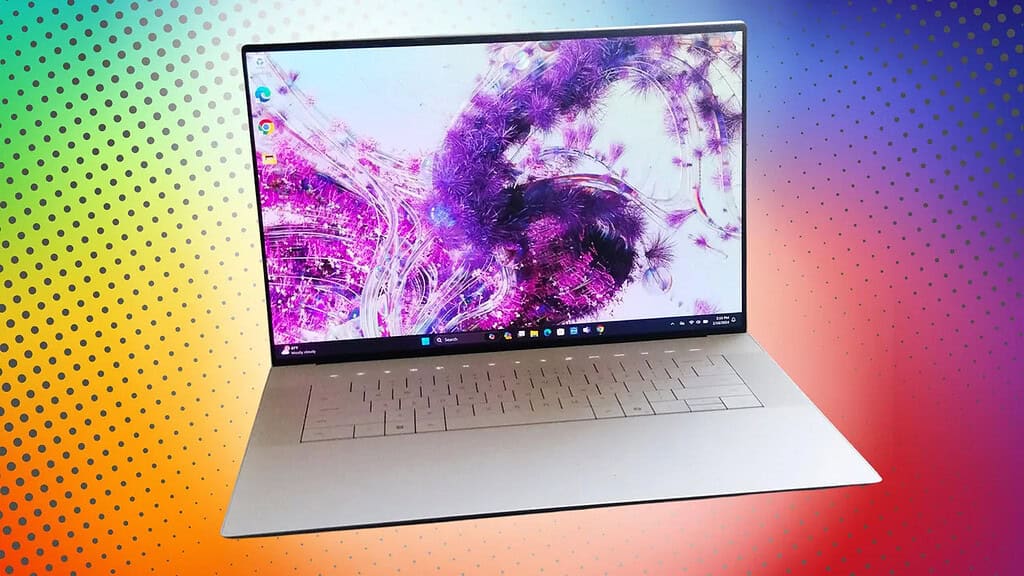
By 2025, computers powered by advanced AI are smarter, faster, and significantly more intuitive. Machines now predict user behavior, automating routine tasks, and proactively suggesting solutions to everyday problems. Major tech companies like Apple, Microsoft, and Google have all embedded powerful AI into their systems, improving overall user experience through personalized services and adaptive computing.
For example, Apple’s AI-enhanced MacBooks optimize performance automatically, enhancing battery life, efficiency, and responsiveness based on individual user habits. Microsoft integrates advanced AI into Windows to manage security, performance tuning, and even creative assistance. AI-driven software tools from Adobe, such as Adobe Sensei, automate complex creative processes like video editing and photo retouching, substantially improving productivity.
Ai In 2025: How It's Changing Computers, Work, And Maybe Your Toaster 5
Transforming Work: The Workplace Revolutionized by AI in 2025
AI in 2025 has profoundly changed workplace dynamics. Automation and AI-driven tools handle mundane tasks, such as scheduling meetings, processing emails, and performing data entry, freeing human employees to focus on higher-value activities. By automating repetitive tasks, AI has significantly boosted efficiency and productivity across various sectors.
AI-powered analytics have also transformed decision-making processes. Companies utilize AI tools for data analysis, market forecasting, and customer insights, allowing them to make informed decisions quickly. Industries like healthcare, finance, and logistics heavily depend on AI in 2025 for precision, efficiency, and cost reduction.
AI in 2025: Your Household Appliances Have Gone Smart
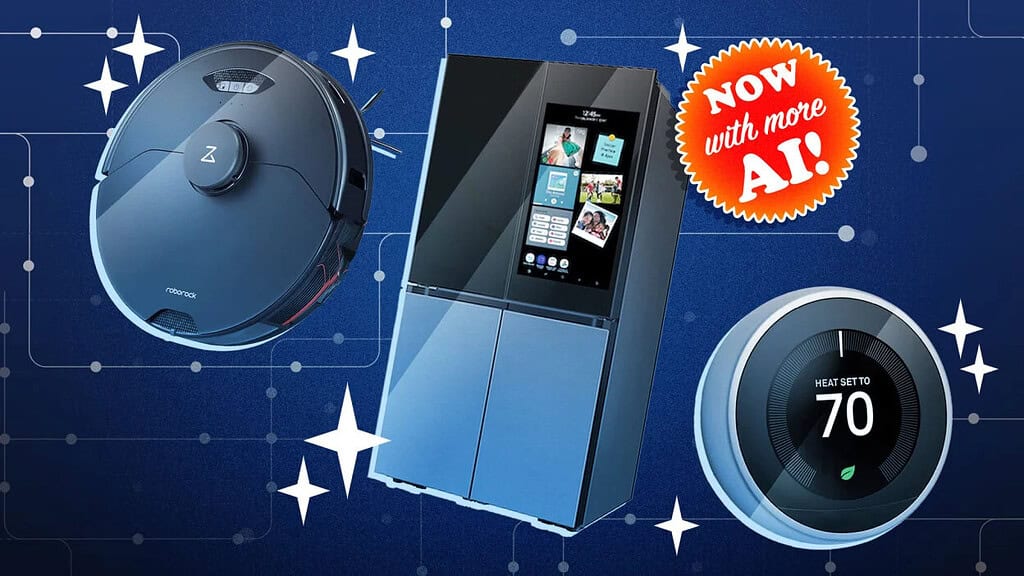
The most relatable change AI has introduced by 2025 might be within your home. From smart toasters and refrigerators to AI-enhanced ovens, your kitchen has transformed into an interactive, intelligent environment. Appliances learn your habits, preferences, and patterns to optimize performance and convenience.
AI-powered refrigerators track your inventory, create shopping lists, and even place orders automatically. AI-driven toasters memorize your preferred settings, consistently delivering perfect toast every morning. Ovens and microwaves adapt cooking instructions dynamically, ensuring meals are perfectly cooked every time. AI in 2025 has genuinely transformed ordinary household chores into seamless, enjoyable experiences.
Ai In 2025: How It's Changing Computers, Work, And Maybe Your Toaster 6
Real-Life Examples of AI in 2025
Let’s explore concrete examples illustrating how AI in 2025 is already deeply embedded in various aspects of our daily lives:
Personal Computing Enhanced by AI
Virtual assistants such as Siri, Google Assistant, and Alexa have reached extraordinary new heights. These AI systems seamlessly manage tasks, predict user needs, and integrate effortlessly across multiple devices. Whether you’re using your smartphone, smartwatch, or computer, AI in 2025 ensures a consistent, highly personalized experience.
Smart Automation Transforming Industries
AI-powered automation has become mainstream in industries like finance, manufacturing, and logistics. Robotic Process Automation (RPA) bots handle complex tasks efficiently, reducing human error and operational costs. By 2025, automation significantly boosts productivity and accuracy, enabling organizations to operate more smoothly and competitively.
AI Revolutionizing Healthcare
AI in 2025 has dramatically advanced healthcare, enhancing diagnostics, treatments, and patient outcomes. AI-powered diagnostic tools accurately identify diseases at early stages, significantly increasing survival rates and treatment effectiveness. AI-driven robotic surgery enhances surgical precision, reduces risks, and speeds up patient recovery, demonstrating AI’s profound impact on healthcare.
AI in Transportation: Safer and Smarter Commutes
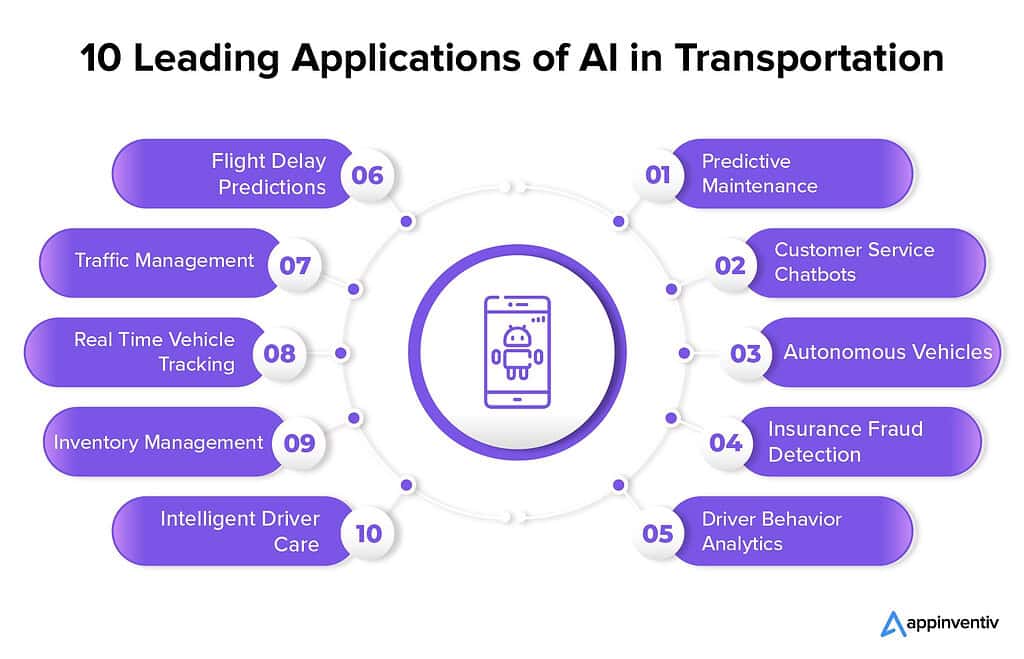
Self-driving cars and autonomous vehicles are commonplace by 2025. AI technology ensures safer, more efficient transportation by reducing human error, managing traffic intelligently, and optimizing routes. Companies like Tesla and Waymo have advanced their autonomous driving capabilities significantly, making transportation safer and more reliable than ever.
Ai In 2025: How It's Changing Computers, Work, And Maybe Your Toaster 7
The Future of AI in 2025 and Beyond
How AI Will Evolve Post-2025
As AI continues to evolve beyond 2025, quantum computing will dramatically increase processing power and predictive accuracy. Ethical considerations surrounding AI use, such as data privacy, security, and fair algorithmic practices, will increasingly shape AI developments.
Challenges of AI in 2025
Despite enormous benefits, AI in 2025 also faces significant challenges. Concerns about job displacement due to automation, algorithmic biases, data privacy, and security are prominent issues that society must address. Effective regulation, responsible innovation, and ethical standards will be crucial in tackling these challenges.
Preparing for an AI-Driven World
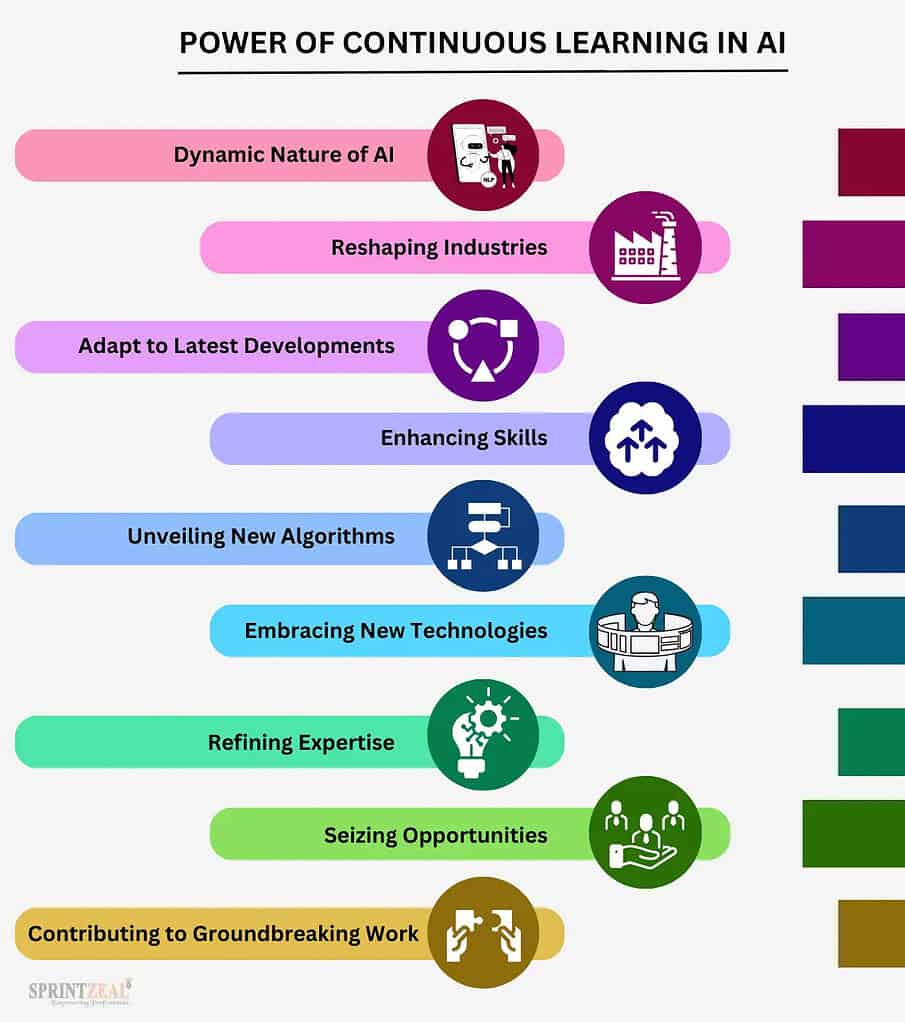
To succeed in an AI-driven future, individuals and businesses need to embrace lifelong learning, adaptability, and new skill sets. Focusing on distinctly human skills like creativity, emotional intelligence, and critical thinking becomes more critical as AI handles routine tasks.
AI Opportunities and Risks
AI offers immense potential for innovation but carries risks such as cyber threats, privacy breaches, and economic disparities. Balancing innovation with ethical and responsible use of AI will be essential to maximizing its positive impact while mitigating risks.
Ai In 2025: How It's Changing Computers, Work, And Maybe Your Toaster 8
Conclusion: Embracing the AI Revolution in 2025
AI in 2025 is reshaping our world in fundamental ways, influencing our work, home, and personal lives profoundly. Computers are smarter, workplaces more productive, and even our household appliances offer unprecedented convenience and efficiency. To thrive in this new world, embracing these technological advancements responsibly and proactively will be essential.
The Illusion of Stability in Modern Updates For most users, operating system updates are something that simply happen. They arrive quietly, often installing in the background, requiring little more than…
Macbook Neo, How Does It Compare To Air & Pro? Over the last few years the laptop market has experienced one of the most significant architectural changes in its history.…
Apple’s latest product announcements mark one of the most significant shifts in the Mac lineup in more than a decade. While Apple routinely updates its hardware with faster chips, incremental…
There is a particular kind of frustration that only a slow computer can produce. It is not dramatic. It is not urgent. It does not scream for attention. Instead, it…
In an era where nearly every aspect of personal computer maintenance and professional life is mediated through digital systems, your computer is no longer a luxury device — it is…
Phone says charging but battery not increasing is one of the most frustrating problems smartphone users face. You plug it in.The lightning bolt appears.It says “Charging.” But the battery percentage…
Apple’s rumour cycle always looks like a thousand disconnected leaks — until you line them up and notice the same themes repeating: AI-first silicon, camera and display differentiation, form-factor experiments (foldables / spatial…
Wi-Fi connected but no internet is one of the most frustrating messages you can see on a computer or laptop. The Wi-Fi icon shows full bars.It says “Connected.”But websites won’t…
Unfortunately, there was an error submitting your request.
Please try again later, or reach out to us directly. You can call us at +44 1429 280955 or email us at sales@kingfishercomputers.co.uk for assistance. We’re here to help you get your computer back up and running!
We’ve received your booking, Our team will get in touch with you shortly to confirm the details. You’re one step closer to having your computer fixed! If you have any urgent questions, feel free to contact us. Otherwise, sit back, and we’ll handle the rest.