Best Open-Source Software Alternatives for Windows Users
Adam Fornal
July 2nd, 2025
Table of Contents
Best Open-Source Software Alternatives for Windows Users
Windows users often rely on expensive commercial software for their daily computing needs, but countless Open-Source Software Alternatives provide identical or superior functionality at no cost. These alternatives not only save money but also offer enhanced privacy, customization options, and freedom from restrictive licensing agreements. This comprehensive guide explores the best Open-Source Software Alternatives available to Windows users across various categories, helping you build a complete software suite without spending a single dollar.
The open-source movement has revolutionized how we approach software development and distribution. Unlike proprietary software that restricts user access to source code, Open-Source Software Alternatives provide complete transparency, allowing users to examine, modify, and redistribute the code freely. This transparency leads to more secure, reliable, and innovative solutions that often surpass their commercial counterparts in functionality and user satisfaction.
Why Choose Open-Source Software Alternatives Over Commercial Solutions
Traditional software licensing models impose significant financial burdens on individuals and organizations. When you choose Open-Source Software you eliminate licensing fees, subscription costs, and upgrade expenses that accumulate over time. A typical Windows user might spend hundreds or thousands of dollars annually on software licenses, but Open-Source Software provide equivalent functionality without any financial commitment.
The Financial Benefits of Open-Source Solutions
The most immediate advantage of Open-Source Software Alternatives is cost savings. Consider the expense of purchasing Microsoft Office, Adobe Creative Suite, or professional development tools—these costs quickly add up to substantial investments. Open-Source Software offer comparable features and capabilities without the hefty price tags. Organizations can redirect these savings toward other priorities, while individual users can access professional-grade tools regardless of their budget constraints.
Beyond initial costs, Open-Source Software eliminate ongoing subscription fees that have become standard in the software industry. Many commercial applications now require monthly or annual payments for continued access, creating perpetual expenses that strain budgets. Open-Source Software free users from these recurring charges, providing permanent access to fully functional software.
Security and Privacy Advantages
Open-Source Software Alternatives typically offer superior security compared to proprietary solutions. The transparent nature of open-source development allows security researchers worldwide to examine code for vulnerabilities, leading to faster identification and resolution of potential threats. This collaborative approach to security auditing creates more robust and trustworthy software.
Privacy represents another significant advantage of Open-Source Software Alternatives. Commercial software often includes telemetry, data collection, and user tracking features that compromise privacy. Open-Source Software generally prioritize user privacy, avoiding invasive data collection practices and providing users with complete control over their information.
Customization and Flexibility Benefits
Open-Source Software Alternatives offer unmatched customization possibilities. Users can modify source code to add features, remove unwanted functionality, or adapt software to specific requirements. This flexibility extends beyond individual customization—communities often create specialized versions or plugins that expand software capabilities far beyond original specifications.
The extensibility of Open-Source Software means that software evolves based on actual user needs rather than corporate profit motives. Community-driven development ensures that features serve practical purposes and address real-world problems. This user-centric approach often results in more intuitive and efficient software experiences.
Essential Open-Source Software Alternatives for Productivity
Productivity software forms the foundation of most computer usage, encompassing everything from document creation to project management. Open-Source Software in this category have matured significantly, offering professional-grade capabilities that rival or exceed expensive commercial options.
Office Suites and Document Management
Microsoft Office dominates the commercial office suite market, but several Open-Source Software Alternatives provide comprehensive document creation and editing capabilities. These alternatives support standard file formats, ensuring compatibility with colleagues and clients who use different software.
LibreOffice stands as the premier example of Open-Source Software for office productivity. This complete suite includes Writer for word processing, Calc for spreadsheets, Impress for presentations, Draw for graphics, Base for databases, and Math for equations. LibreOffice handles Microsoft Office file formats seamlessly, making transitions painless for existing users.
Best Open-Source Software Alternatives For Windows Users 9
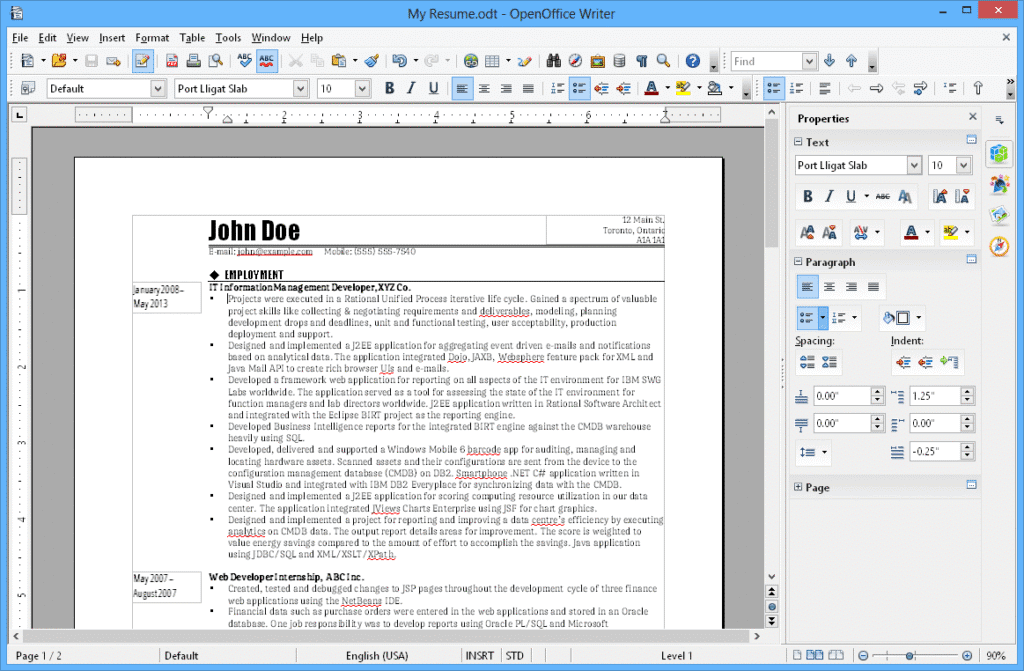
Apache OpenOffice represents another mature option among Open-Source Software Alternatives for office work. While development has slowed compared to LibreOffice, OpenOffice remains a viable choice for users seeking familiar Microsoft Office-style interfaces. Both options demonstrate how Open-Source Software can match commercial software functionality while remaining completely free.
Best Open-Source Software Alternatives For Windows Users 10
Beyond basic office suites, specialized Open-Source Software Alternatives excel at specific document tasks. LaTeX provides professional-quality typesetting for academic papers, books, and technical documentation. While requiring a learning curve, LaTeX produces superior formatting compared to traditional word processors, particularly for documents containing mathematical formulas or complex layouts.
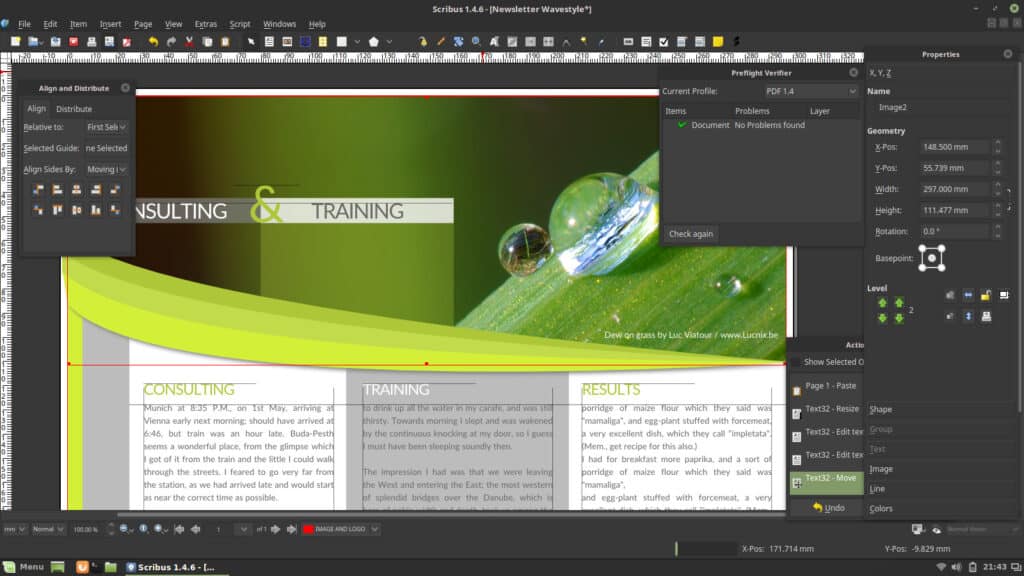
Scribus offers desktop publishing capabilities that rival Adobe InDesign. This powerful tool among Open-Source Software handles professional print layouts, magazine design, and marketing materials. Scribus supports CMYK colors, ICC color management, and print-ready PDF creation, making it suitable for commercial printing requirements.
Best Open-Source Software Alternatives For Windows Users 11
Project Management and Collaboration Tools
Effective project management requires sophisticated software that can handle task tracking, resource allocation, and team collaboration. Open-Source Software Alternatives in this category provide enterprise-level capabilities without licensing restrictions or per-user fees.
Task Management and Planning Solutions
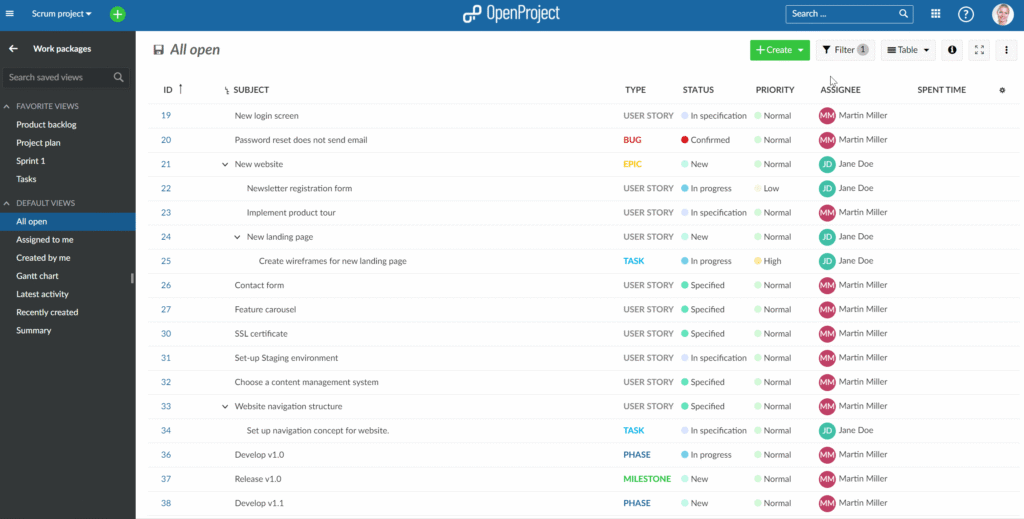
OpenProject exemplifies how Open-Source Software Alternatives can replace expensive project management platforms. This comprehensive solution includes Gantt charts, agile boards, time tracking, budgeting, and resource management. OpenProject integrates with popular development tools and supports multiple project methodologies, making it suitable for diverse organizational needs.
Best Open-Source Software Alternatives For Windows Users 12
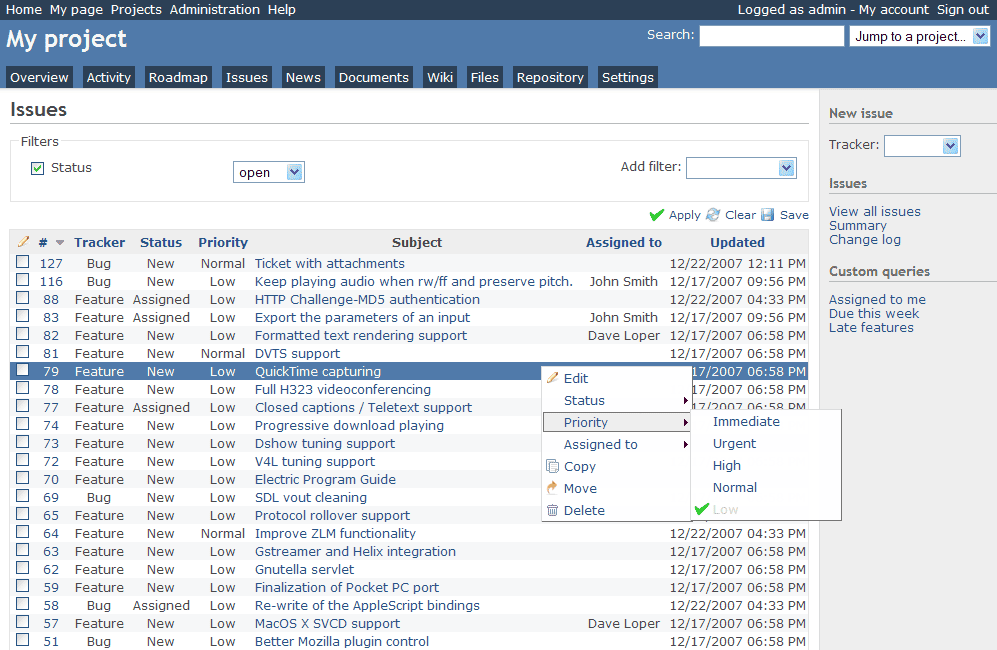
Redmine offers another robust option among Open-Source Software for project management. Its plugin architecture allows extensive customization, while built-in features include issue tracking, wiki pages, forums, and calendar integration. Redmine’s flexibility makes it popular among software development teams and general project management applications.
Best Open-Source Software Alternatives For Windows Users 13
Communication and Collaboration Platforms
Modern productivity requires seamless communication and collaboration tools. Open-Source Software Alternatives provide secure, privacy-focused options that rival commercial solutions like Slack or Microsoft Teams.
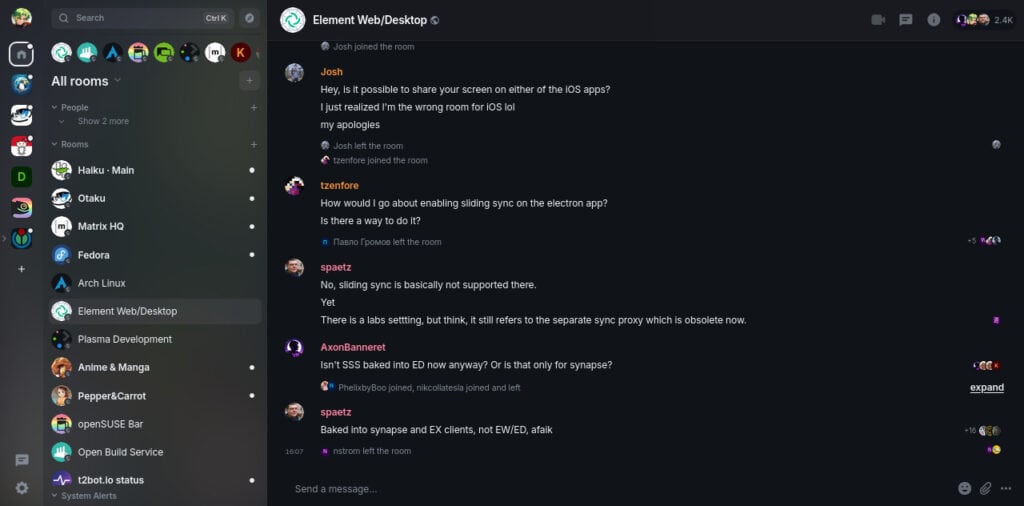
Element (formerly Riot) builds on the Matrix protocol to deliver decentralized messaging and collaboration. This platform among Open-Source Software Alternatives supports end-to-end encryption, file sharing, voice calls, and video conferencing. Organizations can host their own Matrix servers, maintaining complete control over communication data.
Best Open-Source Software Alternatives For Windows Users 14
Nextcloud combines file storage, calendar, contacts, and collaboration features into a unified platform. As one of the most comprehensive Open-Source Software Alternatives for productivity, Nextcloud can replace multiple commercial services including Dropbox, Google Workspace, and Office 365. Self-hosting capabilities ensure data privacy and eliminate ongoing subscription costs.
Email Clients and Communication
Email remains central to business and personal communication, but commercial email clients often include unnecessary features or privacy concerns. Open-Source Software provide clean, efficient email management without compromising user privacy or requiring subscription fees.
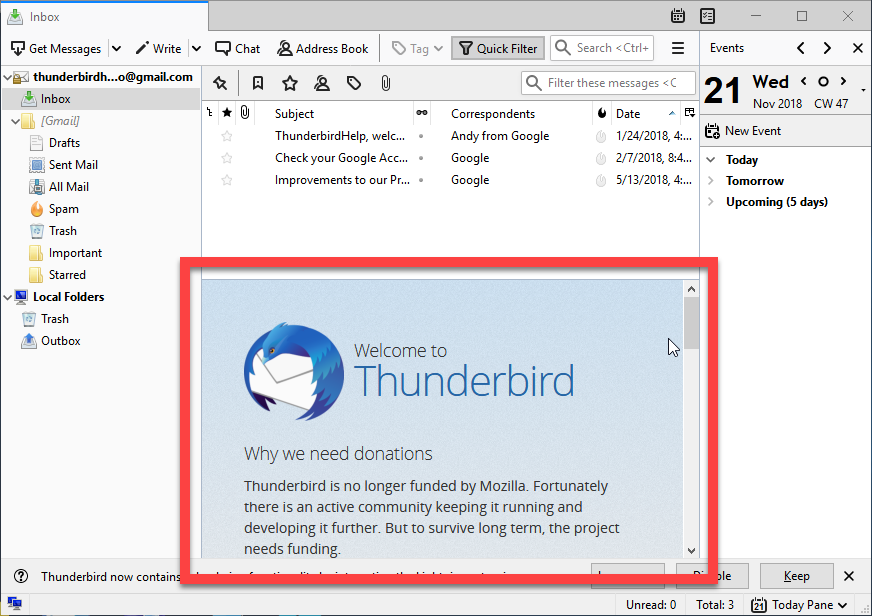
Thunderbird leads the category of Open-Source Software Alternatives for email management. Mozilla develops this client with the same attention to security and privacy that characterizes Firefox. Thunderbird supports multiple email accounts, advanced filtering, encryption, and extensive customization through add-ons.
Best Open-Source Software Alternatives For Windows Users 15
Evolution integrates email, calendar, contacts, and tasks into a single application. This comprehensive solution among Open-Source Software Alternatives provides Exchange server compatibility, making it suitable for business environments that require corporate email integration.
Creative and Multimedia Open-Source Software Alternatives
Creative professionals often assume they must invest in expensive Adobe Creative Suite licenses, but Open-Source Software Alternatives have evolved to provide professional-grade creative tools. These alternatives offer powerful features for graphic design, photo editing, video production, and audio creation without the substantial costs associated with commercial creative software.
Image Editing and Graphic Design
Adobe Photoshop and Illustrator dominate commercial creative markets, but Open-Source Software Alternatives provide comparable functionality for most users. These tools have matured significantly, offering professional features that satisfy both hobbyists and working professionals.
Professional Photo Editing Solutions
GIMP (GNU Image Manipulation Program) represents the most established option among Open-Source Software Alternatives for photo editing. This powerful application supports layers, masks, filters, and advanced editing tools that rival Photoshop’s capabilities. GIMP handles RAW image processing, color correction, and complex photo manipulation tasks with professional results.
Recent GIMP versions have addressed interface criticisms that previously deterred some users. Customizable toolbars, improved brush engines, and better layer management make GIMP increasingly user-friendly while maintaining its reputation as one of the most capable Open-Source Software Alternatives for image editing.
Best Open-Source Software Alternatives For Windows Users 16
Krita focuses specifically on digital painting and illustration, providing specialized tools that often exceed those found in general-purpose image editors. This application among Open-Source Software Alternatives includes advanced brush engines, animation capabilities, and color management features tailored for artistic workflows. Professional artists increasingly choose Krita for concept art, illustrations, and digital paintings.
Vector Graphics and Design Tools
Inkscape delivers vector graphics capabilities that match Adobe Illustrator for most applications. This standout among Open-Source Software Alternatives supports SVG as its native format while providing export options for various commercial formats. Inkscape includes advanced typography, path editing, and object manipulation tools essential for logo design, illustrations, and print graphics.
The active development community behind Inkscape continuously adds features that keep pace with commercial alternatives. Recent versions include gradient mesh support, live path effects, and improved text handling that narrow the gap between Open-Source Software Alternatives and expensive commercial options.
Video Editing and Production
Video content creation has exploded in popularity, but professional video editing software carries premium price tags. Open-Source Software Alternatives now provide broadcast-quality editing capabilities that satisfy content creators, filmmakers, and video professionals.
Professional Video Editing Suites
DaVinci Resolve, while offering a commercial version, provides a feature-complete free version that demonstrates how Open-Source Software Alternatives can compete with industry-standard tools. This professional-grade editor includes advanced color correction, visual effects, audio post-production, and collaboration features used in Hollywood productions.
OpenShot offers a more accessible entry point among Open-Source Software Alternatives for video editing. Its intuitive interface welcomes beginners while providing sufficient features for intermediate projects. OpenShot supports unlimited tracks, 3D animations, and video effects that satisfy most non-professional editing requirements.
Shotcut provides another mature option among Open-Source Software Alternatives for video production. This cross-platform editor supports a wide range of formats and includes professional features like multi-track editing, color grading, and audio mixing. Shotcut’s active development ensures compatibility with modern video formats and workflows.
Animation and Motion Graphics
Blender stands as perhaps the most impressive example of Open-Source Software Alternatives matching or exceeding commercial software capabilities. This complete 3D creation suite includes modeling, animation, rendering, compositing, and video editing tools that rival software costing thousands of dollars.
Professional studios increasingly adopt Blender for commercial projects, validating its position among elite Open-Source Software Alternatives. The software’s rapid development cycle, extensive community, and comprehensive feature set make it a legitimate alternative to expensive 3D animation suites.
Audio Production and Music Creation
Music production traditionally required expensive hardware and software, but Open-Source Software Alternatives now provide complete audio production environments. These tools enable musicians, podcasters, and audio professionals to create high-quality content without significant financial investment.
Digital Audio Workstations
Ardour represents a professional-grade option among Open-Source Software Alternatives for audio production. This full-featured digital audio workstation includes multi-track recording, MIDI sequencing, mixing, and mastering capabilities. Ardour supports professional audio interfaces and provides the stability required for commercial music production.
LMMS (Linux MultiMedia Studio) focuses on electronic music production, providing synthesizers, samplers, and sequencing tools comparable to commercial alternatives. This application among Open-Source Software Alternatives includes built-in instruments and effects that enable complete track production without additional purchases.
Audio Editing and Processing
Audacity remains the most recognizable name among Open-Source Software Alternatives for audio editing. This versatile tool handles recording, editing, and processing tasks for podcasts, music, and general audio work. Audacity’s simplicity and reliability have made it a standard choice for both beginners and professionals.
Recent Audacity development has expanded its capabilities while maintaining the straightforward interface that users appreciate. Support for more audio formats, improved effects processing, and better performance demonstrate how Open-Source Software Alternatives continue evolving to meet user needs.
Development and Technical Open-Source Software Alternatives
Software development tools represent another category where Open-Source Software Alternatives excel, often surpassing commercial options in functionality and community support. Developers benefit from transparent development processes, extensive plugin ecosystems, and tools designed by fellow programmers who understand real-world development challenges.
Integrated Development Environments
Modern software development requires sophisticated IDEs that handle coding, debugging, version control, and project management. Open-Source Software Alternatives provide world-class development environments that rival expensive commercial tools.
Code Editors and IDEs
Visual Studio Code exemplifies how Open-Source Software Alternatives can dominate their markets. Microsoft’s open-source editor has become the preferred choice for millions of developers across all platforms and programming languages. Its extensive plugin ecosystem, integrated terminal, and Git support create a comprehensive development environment.
Eclipse represents another mature option among Open-Source Software Alternatives for enterprise development. Particularly strong for Java development, Eclipse provides robust project management, debugging tools, and plugin architecture that extends functionality for numerous programming languages and frameworks.
Database Management Tools
Database administration requires specialized tools that can handle complex queries, schema management, and performance optimization. Open-Source Software Alternatives provide professional database management capabilities without expensive licensing fees.
DBeaver offers comprehensive database management features that rival commercial alternatives like Toad or SQL Server Management Studio. This tool among Open-Source Software Alternatives supports dozens of database systems, provides advanced query tools, and includes data visualization capabilities essential for database professionals.
phpMyAdmin specifically targets MySQL and MariaDB administration through web interfaces. As one of the most widely deployed Open-Source Software Alternatives for database management, phpMyAdmin simplifies database operations for developers and administrators who prefer browser-based tools.
System Administration and Network Tools
IT professionals require specialized tools for system monitoring, network analysis, and security assessment. Open-Source Software Alternatives provide enterprise-grade capabilities that often exceed commercial tools in flexibility and feature depth.
Network Monitoring and Analysis
Wireshark stands as the definitive example of Open-Source Software Alternatives surpassing commercial options. This network protocol analyzer provides deep packet inspection capabilities used by security professionals, network administrators, and developers worldwide. Commercial alternatives struggle to match Wireshark’s comprehensive protocol support and analysis features.
Nagios provides comprehensive network and system monitoring capabilities that rival expensive commercial solutions. This platform among Open-Source Software Alternatives monitors hosts, services, and network devices while providing alerting and reporting features essential for IT operations.
Security and Penetration Testing
Security professionals rely on specialized tools for vulnerability assessment and penetration testing. Open-Source Software Alternatives dominate this field, providing cutting-edge security tools that commercial vendors often cannot match.
Kali Linux represents a complete security testing distribution built around Open-Source Software Alternatives. This specialized Linux distribution includes hundreds of security tools for penetration testing, digital forensics, and security research. Professional security consultants and ethical hackers rely on Kali Linux for comprehensive security assessments.
Metasploit provides exploitation capabilities that demonstrate vulnerabilities in systems and applications. While offering commercial versions, the open-source Metasploit framework among Open-Source Software Alternatives provides sufficient functionality for most security testing requirements.
Version Control and Collaboration
Modern software development requires robust version control systems that track changes, manage collaboration, and maintain project history. Open-Source Software Alternatives have revolutionized this space, providing distributed version control that surpasses centralized commercial solutions.
Git represents perhaps the most successful example of Open-Source Software Alternatives completely transforming an industry. Created by Linus Torvalds for Linux kernel development, Git now powers development workflows for projects ranging from individual applications to massive enterprise systems. Its distributed architecture, branching capabilities, and merge tools have made Git the standard for modern development.
Platforms like GitLab provide complete DevOps solutions that integrate Git repositories with issue tracking, continuous integration, and deployment automation. These comprehensive Open-Source Software Alternatives eliminate the need for multiple commercial tools while providing superior integration and workflow automation.
Embracing Open-Source Software Alternatives for Complete Computing Freedom
The landscape of Open-Source Software Alternatives has evolved dramatically, now providing comprehensive solutions for virtually every computing need. From basic productivity tasks to professional creative work and advanced development projects, open-source options often equal or exceed their commercial counterparts in functionality, reliability, and user satisfaction.
Building Your Complete Open-Source Software Suite
Transitioning to Open-Source Software Alternatives requires careful planning but offers substantial long-term benefits. Start by identifying your most critical software needs and researching open-source options that provide equivalent functionality. Many users find that Open-Source Software Alternatives exceed their expectations, offering features and flexibility unavailable in commercial software.
The key to successfully adopting Open-Source Software Alternatives lies in understanding that different doesn’t mean inferior. These alternatives often provide superior customization options, better privacy protection, and more responsive development cycles compared to commercial software. Communities surrounding Open-Source Software Alternatives typically offer excellent support resources, documentation, and user forums that facilitate smooth transitions.
The Future of Open-Source Software Development
The momentum behind Open-Source Software Alternatives continues accelerating as more individuals and organizations recognize their benefits. Major corporations increasingly contribute to open-source projects, bringing professional development resources and enterprise requirements that improve software quality and features.
Cloud computing and containerization technologies have further democratized access to Open-Source Software Alternatives. Users can now deploy sophisticated open-source applications without complex installation procedures, reducing barriers to adoption and experimentation. This accessibility ensures that Open-Source Software Alternatives will continue gaining market share across all software categories.
The collaborative nature of open-source development means that Open-Source Software Alternatives often lead innovation rather than following commercial trends. Features appear in open-source software years before commercial vendors implement similar capabilities. This innovation advantage, combined with cost savings and privacy benefits, makes Open-Source Software Alternatives increasingly attractive to users seeking cutting-edge functionality.
By embracing Open-Source Software Alternatives, you join a global community committed to technological freedom, innovation, and collaboration. These alternatives provide not just cost savings but also access to transparent, customizable, and community-driven software that serves user needs rather than corporate profits. The comprehensive options available today demonstrate that Open-Source Software Alternatives can satisfy virtually any computing requirement while providing superior value and user experience.
Whether you’re an individual user seeking to reduce software costs or an organization looking to eliminate licensing restrictions, Open-Source Software Alternatives offer proven solutions that deliver professional results. The time has never been better to explore these alternatives and discover how open-source software can transform your computing experience while keeping more money in your pocket and more control in your hands.
The Illusion of Stability in Modern Updates For most users, operating system updates are something that simply happen. They arrive quietly, often installing in the background, requiring little more than…
Macbook Neo, How Does It Compare To Air & Pro? Over the last few years the laptop market has experienced one of the most significant architectural changes in its history.…
Apple’s latest product announcements mark one of the most significant shifts in the Mac lineup in more than a decade. While Apple routinely updates its hardware with faster chips, incremental…
There is a particular kind of frustration that only a slow computer can produce. It is not dramatic. It is not urgent. It does not scream for attention. Instead, it…
In an era where nearly every aspect of personal computer maintenance and professional life is mediated through digital systems, your computer is no longer a luxury device — it is…
Phone says charging but battery not increasing is one of the most frustrating problems smartphone users face. You plug it in.The lightning bolt appears.It says “Charging.” But the battery percentage…
Apple’s rumour cycle always looks like a thousand disconnected leaks — until you line them up and notice the same themes repeating: AI-first silicon, camera and display differentiation, form-factor experiments (foldables / spatial…
Wi-Fi connected but no internet is one of the most frustrating messages you can see on a computer or laptop. The Wi-Fi icon shows full bars.It says “Connected.”But websites won’t…
Unfortunately, there was an error submitting your request.
Please try again later, or reach out to us directly. You can call us at +44 1429 280955 or email us at sales@kingfishercomputers.co.uk for assistance. We’re here to help you get your computer back up and running!
We’ve received your booking, Our team will get in touch with you shortly to confirm the details. You’re one step closer to having your computer fixed! If you have any urgent questions, feel free to contact us. Otherwise, sit back, and we’ll handle the rest.