Should You Use a VPN on Your Gaming PC? The Complete Gaming Guide
Adam Fornal
June 10th, 2025
Table of Contents
Should You Use a VPN on Your Gaming PC? The Complete Gaming Guide
Gaming has evolved into a global phenomenon where millions of players connect across continents to compete, collaborate, and create unforgettable experiences. As online gaming becomes increasingly sophisticated, questions about security, privacy, and performance naturally arise. One question that surfaces frequently among gaming enthusiasts is: Should You Use a VPN on your gaming setup? This comprehensive guide explores every aspect of VPN usage for gaming PCs, helping you make an informed decision about whether this technology aligns with your gaming needs and priorities.
The relationship between VPNs and gaming is complex, involving considerations of latency, security, regional restrictions, and network stability. While some gamers swear by VPN protection, others worry about potential performance impacts. The truth lies somewhere in between, and the answer to Should You Use a VPN depends heavily on your specific gaming habits, security concerns, and technical requirements. Throughout this detailed analysis, we’ll examine real-world scenarios where VPNs prove beneficial for gamers, situations where they might cause problems, and practical strategies for optimizing your gaming experience.
Understanding VPNs in the Gaming Context
Before diving into whether Should You Use a VPN for gaming, it’s essential to understand how Virtual Private Networks function and interact with gaming traffic. A VPN creates an encrypted tunnel between your gaming PC and a remote server, routing all your internet traffic through this secure connection. While this provides privacy and security benefits, it also adds an extra step to your data’s journey, which can impact gaming performance in various ways.
When you connect to game servers through a VPN, your gaming traffic travels from your PC to the VPN server, then to the game server, and back again. This additional routing can introduce latency, commonly known as ping, which directly affects your gaming experience. However, the question Should You Use a VPN isn’t simply about latency—modern VPN services have made significant improvements in speed and efficiency, and in some cases, they can actually improve your connection to certain game servers by providing more direct routing paths.
How VPNs Affect Gaming Performance
The impact of VPNs on gaming performance varies significantly based on several factors: the VPN service quality, server locations, your internet connection, and the specific games you play. High-quality VPN providers maintain gaming-optimized servers with minimal performance impact, while budget services might introduce noticeable lag. When considering Should You Use a VPN, it’s crucial to understand that not all VPN services are created equal, and your choice of provider will dramatically influence your gaming experience.
Geography plays a crucial role in VPN gaming performance. If you’re connecting to a VPN server that’s geographically closer to the game server than your actual location, you might experience improved ping times. Conversely, routing traffic through distant VPN servers will almost certainly increase latency. The key to answering Should You Use a VPN for your specific situation lies in testing different server locations and measuring their impact on your favorite games.
Gaming-Specific VPN Considerations
Modern gaming involves various types of network traffic, from real-time competitive matches requiring ultra-low latency to casual gaming where slight delays are acceptable. When determining Should You Use a VPN, consider your gaming preferences and tolerance for latency. Fast-paced competitive games like first-person shooters and fighting games are most sensitive to ping increases, while turn-based strategy games and single-player experiences with online components are generally more forgiving.
Game authentication and launcher compatibility represent another consideration when deciding Should You Use a VPN. Some gaming platforms and anti-cheat systems flag VPN usage as suspicious activity, potentially leading to account restrictions or temporary bans. Understanding these risks and choosing VPN providers with gaming-friendly policies becomes essential for maintaining access to your game libraries and competitive rankings.
Should You Use A Vpn On Your Gaming Pc? The Complete Gaming Guide 4
The Security Benefits of VPNs for Gaming
Gaming PCs often contain valuable digital assets, from expensive game libraries to personal information and payment data. The question Should You Use a VPN becomes more compelling when viewed through a security lens, as online gaming exposes users to various cybersecurity threats that VPNs can help mitigate.
Protection Against DDoS Attacks and Swatting
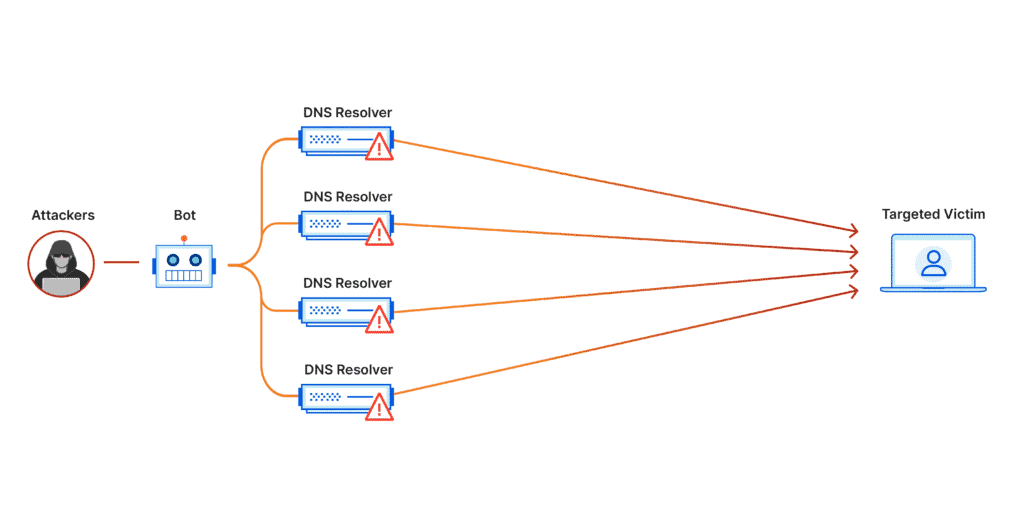
Competitive gaming environments sometimes foster toxic behavior, including targeted attacks on other players. Distributed Denial of Service (DDoS) attacks represent a serious threat where malicious actors flood your internet connection with traffic, causing disconnections and rendering your connection unusable. When considering Should You Use a VPN, the protection against IP address exposure becomes a significant benefit, as attackers cannot target your real IP address when you’re connected through a VPN server.
Should You Use A Vpn On Your Gaming Pc? The Complete Gaming Guide 5
Understanding Gaming-Related Cyber Threats
Online gaming creates unique security vulnerabilities that traditional internet usage doesn’t typically encounter. Voice chat, streaming, and social features can inadvertently reveal personal information, while competitive environments may motivate others to gain unfair advantages through technical means. The question Should You Use a VPN often arises after gamers experience harassment or technical attacks that disrupt their gaming experience.
Beyond direct attacks, gaming networks can expose users to data harvesting and surveillance. Internet service providers, governments, and other entities may monitor gaming traffic for various purposes. For gamers concerned about privacy, the answer to Should You Use a VPN often leans toward yes, as encryption provides an additional layer of protection against unwanted surveillance and data collection.
Public Wi-Fi Gaming Security
Many gamers play on laptops while traveling or use gaming devices on public networks at cafes, hotels, or universities. These environments present significant security risks, as public Wi-Fi networks are notoriously vulnerable to eavesdropping and man-in-the-middle attacks. In these scenarios, the question Should You Use a VPN has a clear answer: absolutely yes. The encryption provided by VPNs protects sensitive gaming data, account credentials, and personal information from potential attackers on shared networks.
Gaming content availability varies significantly across different regions due to licensing agreements, cultural considerations, and government regulations. This geographic restriction reality makes Should You Use a VPN a relevant question for gamers seeking access to their full gaming potential regardless of physical location.
Accessing Region-Locked Games and Content
Game publishers often implement region-specific release schedules, pricing structures, and content variations. Some games launch months earlier in certain regions, while others may never receive official releases in specific countries. When faced with these limitations, many gamers wonder Should You Use a VPN to access content available in other regions. While VPNs can technically enable this access, it’s important to understand the legal and ethical implications of circumventing regional restrictions.
Streaming services and digital storefronts also implement geographic restrictions that can affect gaming content access. Gaming-related videos, tutorials, and community content may be blocked in certain regions, limiting players’ ability to improve their skills or stay connected with gaming communities. The question Should You Use a VPN for accessing educational and community content generally has fewer ethical concerns than bypassing game purchases restrictions.
Gaming in Restrictive Environments
Some countries, institutions, or network administrators block access to gaming services entirely. Students in dormitories, employees on corporate networks, or travelers in countries with internet restrictions may find their gaming access limited or completely blocked. In these situations, Should You Use a VPN becomes less of a choice and more of a necessity for maintaining gaming access and connectivity.
Corporate firewalls and educational institution networks often block gaming traffic to preserve bandwidth and maintain productivity. While respecting workplace and institutional policies is important, many organizations allow VPN usage for legitimate purposes. Understanding your environment’s policies helps determine whether Should You Use a VPN aligns with acceptable use guidelines.
Performance Optimization and Server Selection
Contrary to common assumptions, VPNs can sometimes improve gaming performance rather than degrade it. The question Should You Use a VPN for performance reasons depends on your internet service provider’s routing efficiency and the quality of your VPN service’s infrastructure.
ISP Throttling and Traffic Shaping
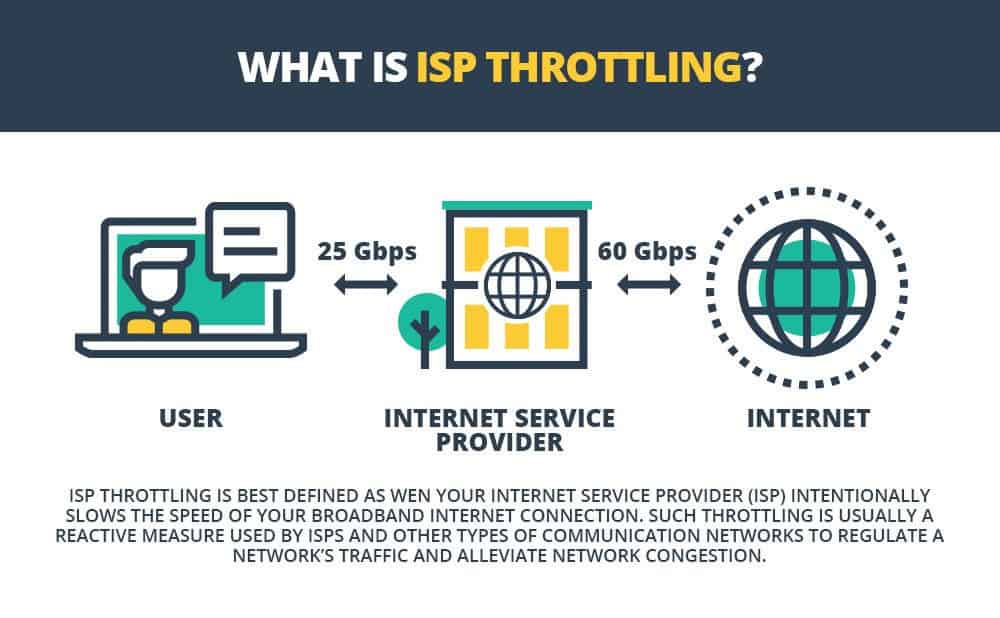
Internet service providers sometimes implement traffic management policies that prioritize certain types of data over others. Gaming traffic may receive lower priority during peak usage hours, resulting in increased latency and reduced connection quality. When ISPs throttle or shape gaming traffic, the question Should You Use a VPN has a performance-based answer: VPN encryption can hide the nature of your traffic, potentially preventing ISP interference and improving your gaming experience.
Some ISPs maintain suboptimal routing to certain gaming servers, forcing your data to take inefficient paths across the internet. Quality VPN providers often maintain better routing agreements and infrastructure, potentially providing faster connections to game servers than your ISP’s default routing. Testing different configurations helps determine whether Should You Use a VPN results in measurable performance improvements for your specific setup.
Should You Use A Vpn On Your Gaming Pc? The Complete Gaming Guide 6
Optimizing Connection Stability
Network stability is crucial for online gaming, as connection drops and packet loss can ruin competitive matches or interrupt important gaming sessions. VPNs can provide more stable connections by offering alternative routing paths and redundant infrastructure. When experiencing frequent disconnections or unstable gaming performance, Should You Use a VPN becomes a troubleshooting question worth exploring.
Modern VPN services implement gaming-specific optimizations, including dedicated gaming servers, traffic prioritization, and low-latency routing protocols. These features address traditional VPN gaming concerns and can actually enhance the gaming experience. When evaluating Should You Use a VPN, consider providers that specifically cater to gaming needs and offer performance guarantees or optimization features.
Potential Drawbacks and Limitations
While VPNs offer significant benefits for gaming, they also introduce potential challenges and limitations that must be considered. The question Should You Use a VPN requires honest evaluation of both advantages and disadvantages to make an informed decision.
Latency and Performance Impact
The most commonly cited concern about VPN gaming usage is increased latency. Adding an extra network hop between your gaming PC and game servers inevitably introduces some delay, though the magnitude varies considerably based on multiple factors. When considering Should You Use a VPN, understanding realistic latency expectations helps set appropriate performance standards and choose suitable VPN configurations.
Measuring and Minimizing Latency Impact
Determining whether Should You Use a VPN from a performance perspective requires empirical testing with your specific games and network configuration. Baseline measurements without VPN usage provide comparison points for evaluating VPN impact. Most quality VPN services add between 5-50 milliseconds of latency, depending on server location and network conditions. For casual gaming, this increase is often imperceptible, while competitive players may notice and be affected by even small increases.
Server selection plays a crucial role in minimizing VPN latency impact. Choosing VPN servers geographically close to both your location and the game servers typically results in the smallest performance penalty. Some VPN providers offer gaming-optimized servers specifically designed to minimize latency for popular games. When evaluating Should You Use a VPN, testing multiple server options helps identify configurations that balance security benefits with acceptable performance.
Bandwidth and Connection Quality Considerations
VPN encryption requires computational resources and can impact overall connection throughput, particularly on older or less powerful gaming systems. While modern hardware typically handles VPN encryption without significant performance impact, older gaming PCs or devices with limited processing power may experience reduced bandwidth or increased system resource usage. The question Should You Use a VPN must account for your system’s capabilities and performance requirements.
Network congestion at VPN servers can affect gaming performance, especially during peak usage hours or when using popular server locations. Quality VPN providers maintain adequate server capacity and load balancing, but budget services may struggle with congestion during high-demand periods. Understanding your VPN provider’s infrastructure and capacity helps predict whether Should You Use a VPN will maintain consistent performance during your typical gaming hours.
Compatibility and Technical Issues
VPN usage can introduce compatibility challenges with certain games, gaming platforms, and network configurations. Before committing to VPN usage, it’s important to understand potential technical limitations and compatibility issues that might affect your gaming experience.
Gaming Platform and Anti-Cheat Compatibility
Some gaming platforms and anti-cheat systems view VPN usage with suspicion, potentially flagging accounts for investigation or implementing temporary restrictions. While most legitimate VPN usage doesn’t violate gaming terms of service, some platforms implement blanket restrictions on VPN traffic. When considering Should You Use a VPN, research your favorite games’ and platforms’ policies regarding VPN usage to avoid unexpected account issues.
Certain anti-cheat systems actively detect and block VPN connections, preventing game access entirely when VPN protection is active. This creates a difficult choice between security benefits and game access. Understanding which games and services have VPN restrictions helps inform the decision of Should You Use a VPN and plan appropriate usage strategies.
Network Configuration Complexity
VPN setup and configuration can introduce technical complexity that some gamers find challenging or time-consuming. While modern VPN applications generally offer user-friendly interfaces, optimizing VPN settings for gaming often requires understanding of networking concepts and performance tuning. The question Should You Use a VPN must consider your technical comfort level and willingness to invest time in proper configuration and optimization.
Advanced gaming setups with multiple devices, streaming equipment, or complex network configurations may require additional consideration when implementing VPN protection. Port forwarding, UPnP functionality, and local network communication can be affected by VPN usage, potentially requiring configuration adjustments or workarounds. Understanding these technical implications helps determine whether Should You Use a VPN aligns with your current gaming setup’s complexity and requirements.
Quality VPN services require ongoing subscription costs that must be weighed against their benefits for gaming usage. The question Should You Use a VPN includes financial considerations, as gaming-optimized VPN services typically cost more than basic privacy-focused alternatives.
Evaluating VPN Service Options for Gaming
The VPN market offers numerous options ranging from free services to premium gaming-focused solutions. When determining Should You Use a VPN, it’s crucial to understand that free VPN services typically provide inadequate performance for gaming and may introduce security risks or privacy concerns. Quality gaming VPNs require investment in infrastructure and optimization that free services cannot sustainably provide.
Gaming-specific VPN features like dedicated gaming servers, traffic optimization, and customer support trained in gaming issues command premium pricing but provide better gaming experiences. Evaluating whether Should You Use a VPN includes comparing the total cost of quality VPN service against the security benefits, performance improvements, and access capabilities it provides for your specific gaming needs and budget.
Long-term Value and Usage Patterns
VPN subscriptions typically offer better value with longer-term commitments, but gaming needs and preferences may change over time. When considering Should You Use a VPN, think about your long-term gaming plans and whether VPN benefits justify ongoing subscription costs. Occasional gamers may find VPN costs difficult to justify, while serious gamers who game daily may consider VPN protection essential and cost-effective.
Trial periods and money-back guarantees allow testing VPN services before committing to long-term subscriptions. Taking advantage of these offers helps answer Should You Use a VPN based on actual performance and compatibility testing rather than theoretical benefits. Most quality VPN providers offer 30-day trial periods that provide sufficient time for comprehensive gaming testing across different games and network conditions.
Best Practices for Gaming with VPNs
If you’ve decided the answer to Should You Use a VPN is yes, implementing best practices ensures optimal gaming performance while maintaining security benefits. Proper VPN configuration and usage strategies can minimize potential drawbacks while maximizing protection and access benefits.
Choosing the Right VPN Service for Gaming
Not all VPN services are suitable for gaming applications. The question Should You Use a VPN is closely tied to selecting an appropriate service provider that balances gaming performance with security features. Gaming-focused VPN providers typically offer specialized servers, optimized routing, and customer support experienced with gaming-related technical issues.
Essential Features for Gaming VPNs
When evaluating whether Should You Use a VPN and which service to choose, prioritize providers offering low-latency servers, gaming-optimized infrastructure, and transparent performance metrics. Look for services that publish server load information, latency statistics, and uptime guarantees. The ability to quickly switch between servers without losing connection helps maintain optimal performance as network conditions change.
Kill switch functionality becomes particularly important for gaming, as connection drops can expose your real IP address and compromise the security benefits that motivated VPN usage. When considering Should You Use a VPN, ensure your chosen service offers reliable kill switch protection that prevents accidental exposure during connection interruptions.
Server Location Strategy
Strategic server selection significantly impacts VPN gaming performance. The general rule involves choosing servers geographically positioned between your location and the game servers you’re connecting to, minimizing total network distance and latency. When planning Should You Use a VPN implementation, map out your most-played games’ server locations and identify VPN servers that provide optimal routing paths.
Some VPN providers offer specialized gaming servers located near major gaming hubs and data centers. These servers are specifically optimized for gaming traffic and often provide better performance than general-purpose VPN servers. Understanding your VPN provider’s server network and gaming optimizations helps maximize the benefits when you decide Should You Use a VPN for your gaming setup.
Configuration and Optimization Techniques
Proper VPN configuration can significantly impact gaming performance and overall experience. The question Should You Use a VPN extends beyond simple yes or no to include how to use VPN technology effectively for gaming applications.
Protocol Selection and Settings Optimization
VPN protocols vary in their performance characteristics, with some offering better speed while others prioritize security or reliability. For gaming applications, protocols like WireGuard or OpenVPN with UDP typically provide the best balance of speed and security. When implementing your decision that Should You Use a VPN, experiment with different protocol options to identify the configuration that provides optimal performance for your specific games and network environment.
Advanced VPN settings like encryption levels, authentication methods, and tunnel options can be adjusted to prioritize gaming performance. While maximum security settings provide the strongest protection, they may also introduce unnecessary performance overhead for gaming applications. Understanding how to balance security and performance helps optimize your VPN configuration after deciding Should You Use a VPN.
Split Tunneling and Selective Routing
Split tunneling allows routing some traffic through the VPN while sending other traffic directly through your regular internet connection. This feature can be particularly useful for gaming, allowing you to protect gaming traffic while maintaining direct connections for other applications that might conflict with VPN usage. When implementing Should You Use a VPN, split tunneling provides flexibility to customize your protection based on specific application needs.
Selective routing strategies can optimize performance by directing only gaming traffic through carefully chosen VPN servers while routing other internet activity through different paths. This approach requires more technical configuration but can provide the best balance of protection and performance. Understanding these advanced techniques helps maximize the benefits when you’ve decided Should You Use a VPN for gaming.
Gaming-Specific Usage Scenarios
Different gaming situations may warrant different approaches to VPN usage. The question Should You Use a VPN often has situation-dependent answers based on the specific gaming context and requirements.
Competitive Gaming Considerations
Competitive gaming environments place premium importance on consistent low latency and stable connections. When playing ranked matches or participating in tournaments, the question Should You Use a VPN becomes more complex, as even small performance impacts can affect competitive results. However, protection against DDoS attacks and other forms of harassment may justify VPN usage despite potential performance trade-offs.
Some competitive gaming scenarios actually benefit from VPN usage, particularly when playing on servers with poor routing from your ISP or when accessing gaming services that aren’t optimally configured for your region. Testing VPN performance during practice sessions helps determine whether Should You Use a VPN during competitive play based on empirical performance data rather than theoretical concerns.
Streaming and Content Creation
Gaming content creators face unique security and access challenges that make VPN usage particularly valuable. Streaming platforms, social media integration, and audience interaction create additional attack vectors and privacy concerns. When considering Should You Use a VPN as a content creator, the security benefits often outweigh performance concerns, especially given the value of protecting personal information and maintaining consistent streaming access.
Content creators accessing gaming content from multiple regions for review or commentary purposes often find VPN usage essential for their work. The question Should You Use a VPN for content creation frequently has a clear positive answer, as the access benefits and security protection directly support creative and professional activities.
Mobile and Travel Gaming
Gaming while traveling presents unique security challenges that make VPN usage particularly important. Public Wi-Fi networks, unfamiliar internet infrastructure, and varying regional restrictions create situations where Should You Use a VPN has an obvious positive answer. Mobile gaming devices are particularly vulnerable when used on public networks, making VPN protection essential for maintaining account security and data privacy.
International travel can trigger gaming platform security measures that restrict account access or require additional verification. Using VPN servers in your home region can help maintain consistent gaming access and avoid triggering security restrictions based on geographic location changes. When planning travel with gaming devices, the question Should You Use a VPN typically has a definite yes answer for maintaining both security and access.
Making Your Decision: Should You Use a VPN for Gaming?
After examining the various aspects of VPN usage for gaming, the question Should You Use a VPN ultimately depends on your individual gaming needs, security concerns, and performance requirements. The decision involves weighing multiple factors and considering your specific gaming habits and priorities.
Assessing Your Gaming Profile and Needs
Your gaming profile significantly influences whether Should You Use a VPN has a positive or negative answer. Casual gamers who primarily play single-player games or cooperative experiences may find VPN benefits outweigh minimal performance impacts. Competitive gamers focused on ranked play and tournaments may prioritize raw performance over security benefits, making VPN usage less attractive.
Consider your gaming frequency, preferred game types, and tolerance for technical complexity when evaluating Should You Use a VPN. Daily gamers with valuable accounts and digital assets have more to protect than occasional players, potentially justifying VPN costs and configuration effort. Understanding your gaming profile helps frame the VPN decision in terms of relevant benefits and costs.
Security and Privacy Priorities
Your personal privacy and security priorities heavily influence the Should You Use a VPN decision. Gamers concerned about data privacy, ISP monitoring, or potential harassment may find VPN protection essential regardless of performance impacts. Those primarily concerned with optimal gaming performance may decide VPN trade-offs aren’t worthwhile unless specific access or security benefits justify the compromise.
Geographic location and local internet infrastructure also affect VPN value propositions. Gamers in regions with internet censorship, poor ISP routing, or limited gaming server access may find VPN usage provides significant benefits that clearly answer Should You Use a VPN in the affirmative. Those with excellent local internet infrastructure and unrestricted gaming access may find fewer compelling reasons for VPN usage.
Implementation Strategy and Testing Approach
If you’ve decided Should You Use a VPN has a positive answer for your situation, implementing a structured testing and evaluation approach ensures optimal results. Start with trial subscriptions to gaming-focused VPN services, testing performance across your most-played games and typical gaming scenarios.
Systematic Performance Evaluation
Develop baseline performance measurements for your gaming setup without VPN usage, including ping times, download speeds, and connection stability metrics. Then test VPN configurations systematically, documenting performance impacts and identifying optimal server selections and configuration settings. This empirical approach provides concrete data to support your Should You Use a VPN decision.
Monitor gaming performance over extended periods to understand how VPN usage affects your typical gaming experience. Short-term testing may not reveal all performance implications or compatibility issues that emerge during regular gaming use. Comprehensive evaluation helps ensure your Should You Use a VPN decision is based on complete understanding of real-world impacts.
Ongoing Optimization and Adjustment
VPN gaming performance can change over time as network conditions, server loads, and gaming service configurations evolve. Regularly reassessing your VPN configuration and performance helps maintain optimal gaming experience and may influence whether Should You Use a VPN continues to be the right choice for your evolving gaming needs.
Stay informed about VPN service updates, new server locations, and gaming-specific features that might improve your experience. The VPN industry continues advancing gaming optimization, potentially improving the answer to Should You Use a VPN over time as services develop better gaming-focused capabilities.
Making the Right Choice for Your Gaming Experience
The question Should You Use a VPN for gaming doesn’t have a universal answer that applies to all gamers in all situations. Instead, it requires careful consideration of your individual gaming needs, security priorities, performance requirements, and technical comfort level. Throughout this comprehensive analysis, we’ve explored the various factors that influence this decision, from security benefits and access capabilities to performance impacts and compatibility considerations.
For many gamers, the answer to Should You Use a VPN lies in finding the right balance between protection and performance. Modern VPN services have made significant strides in minimizing gaming performance impacts while providing robust security benefits. Gaming-focused VPN providers offer specialized features and optimizations that address traditional concerns about VPN gaming usage.
The security benefits of VPN usage—protection against DDoS attacks, privacy preservation, and secure connections on public networks—provide compelling reasons for many gamers to answer Should You Use a VPN affirmatively. These benefits become particularly important for competitive players, content creators, and gamers with valuable digital assets worth protecting.
However, performance-sensitive competitive gamers may find that even minimal latency increases affect their gaming experience enough to outweigh security benefits. For these players, Should You Use a VPN may have a negative answer unless specific access or protection needs justify the performance trade-offs.
The key to making the right decision lies in honest assessment of your gaming priorities and systematic testing of VPN services designed for gaming applications. Trial periods and money-back guarantees allow risk-free evaluation of whether Should You Use a VPN provides net benefits for your specific gaming setup and preferences.
As the gaming industry continues evolving and VPN technology advances, the answer to Should You Use a VPN may change over time. Staying informed about developments in both gaming security and VPN gaming optimization helps ensure your decision remains optimal for your current and future gaming needs.
Whether you ultimately decide Should You Use a VPN or not, understanding the factors involved in this decision empowers you to make informed choices about your gaming security and performance. The investment in understanding these considerations pays dividends in both improved gaming experiences and better protection of your digital gaming assets.
The Illusion of Stability in Modern Updates For most users, operating system updates are something that simply happen. They arrive quietly, often installing in the background, requiring little more than…
Macbook Neo, How Does It Compare To Air & Pro? Over the last few years the laptop market has experienced one of the most significant architectural changes in its history.…
Apple’s latest product announcements mark one of the most significant shifts in the Mac lineup in more than a decade. While Apple routinely updates its hardware with faster chips, incremental…
There is a particular kind of frustration that only a slow computer can produce. It is not dramatic. It is not urgent. It does not scream for attention. Instead, it…
In an era where nearly every aspect of personal computer maintenance and professional life is mediated through digital systems, your computer is no longer a luxury device — it is…
Phone says charging but battery not increasing is one of the most frustrating problems smartphone users face. You plug it in.The lightning bolt appears.It says “Charging.” But the battery percentage…
Apple’s rumour cycle always looks like a thousand disconnected leaks — until you line them up and notice the same themes repeating: AI-first silicon, camera and display differentiation, form-factor experiments (foldables / spatial…
Wi-Fi connected but no internet is one of the most frustrating messages you can see on a computer or laptop. The Wi-Fi icon shows full bars.It says “Connected.”But websites won’t…
Unfortunately, there was an error submitting your request.
Please try again later, or reach out to us directly. You can call us at +44 1429 280955 or email us at sales@kingfishercomputers.co.uk for assistance. We’re here to help you get your computer back up and running!
We’ve received your booking, Our team will get in touch with you shortly to confirm the details. You’re one step closer to having your computer fixed! If you have any urgent questions, feel free to contact us. Otherwise, sit back, and we’ll handle the rest.