VPNs in 2025: Are They Still Essential for Privacy?
Adam Fornal
April 24th, 2025
Table of Contents
Introduction: Why VPNs in 2025 Are a Hot Topic
The world of online privacy has evolved dramatically, and VPNs in 2025 are once again under the spotlight. Virtual Private Networks (VPNs) have long been popular tools for enhancing internet privacy, securing data, and bypassing geographical restrictions. However, with significant advancements in privacy technologies and encryption standards, people are increasingly questioning if VPNs in 2025 are still necessary for protecting online privacy.
In this comprehensive blog, we’ll examine the role of VPNs in 2025, their effectiveness, and whether you still need one. We’ll also explore alternative technologies, privacy threats, and how VPN usage has changed over recent years. Whether you’re a seasoned internet user or new to online security, understanding the state of VPNs in 2025 will help you make informed choices about your digital privacy.
Understanding VPNs in 2025: A Quick Refresher
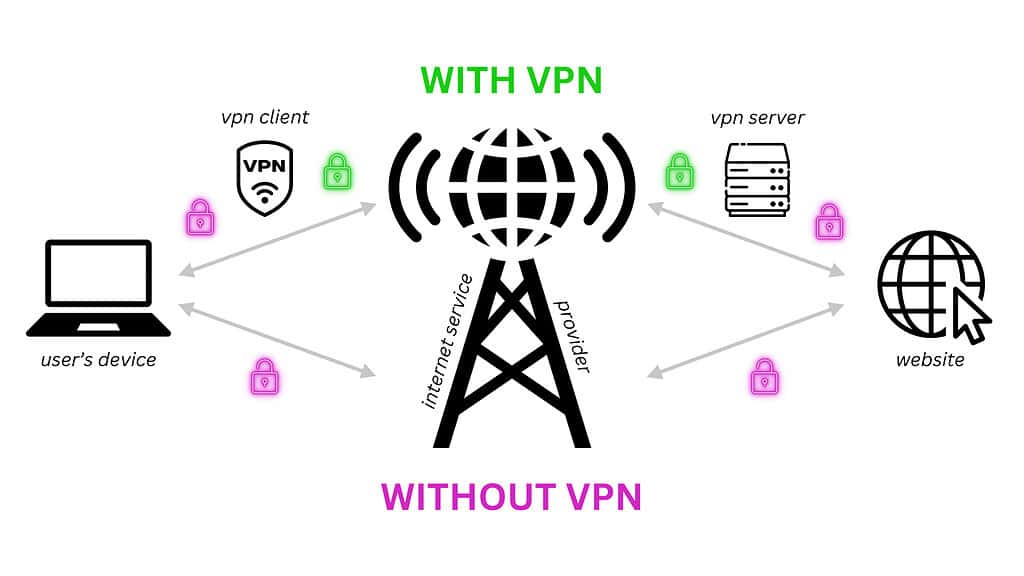
Virtual Private Networks (VPNs) work by encrypting your online traffic and routing it through secure servers, essentially hiding your IP address and location from prying eyes. By doing so, VPNs in 2025 continue to promise protection from hackers, governments, advertisers, and other entities eager to collect your personal data.
However, with increased adoption, VPNs have faced challenges such as performance issues, trustworthiness, and competition from alternative technologies like Secure DNS, encrypted browsing, and built-in privacy tools offered by modern browsers and operating systems.
Are VPNs Still Relevant in 2025?
Despite advances in alternative privacy solutions, VPNs in 2025 remain highly relevant for several reasons. They provide unparalleled protection when using public Wi-Fi, remain effective against ISP tracking, and offer the easiest solution for bypassing censorship and geo-restrictions.
In regions with heavy internet surveillance or restricted content, VPNs in 2025 remain the most reliable tool for ensuring unrestricted and secure internet access. Furthermore, VPNs are now more advanced, featuring improved speeds, better encryption protocols (such as WireGuard), and enhanced user interfaces, making them easier to use than ever before.
Privacy Threats in 2025: Why VPNs Still Matter
The online privacy landscape in 2025 is filled with both familiar and emerging threats. Cybercriminals have grown more sophisticated, leveraging AI-driven hacking techniques, and invasive tracking practices by corporations have intensified. VPNs in 2025 address these challenges by providing robust encryption, masking user locations, and significantly reducing exposure to cyber threats.
Additionally, increasing governmental surveillance and data retention laws worldwide have heightened privacy concerns. In such an environment, VPNs in 2025 continue to offer critical protection for journalists, activists, and ordinary citizens who value their online freedom.
Limitations and Criticisms of VPNs in 2025
Despite their numerous benefits, VPNs in 2025 are not without flaws. Some providers have questionable logging policies, potentially compromising user anonymity. Furthermore, while VPNs effectively mask IP addresses and encrypt data, they do not protect users against all forms of tracking, such as browser fingerprinting and sophisticated cookies.
The effectiveness of VPNs also heavily depends on provider trustworthiness and server security. Users must carefully choose reputable VPN providers to ensure maximum privacy benefits.
Vpns In 2025: Are They Still Essential For Privacy? 4
Alternatives to VPNs in 2025: Emerging Privacy Technologies
In addition to traditional VPNs, several alternative privacy solutions have gained prominence by 2025:
Secure DNS and DNS-over-HTTPS
Secure DNS services, particularly DNS-over-HTTPS (DoH), encrypt domain name queries, preventing third parties from tracking your browsing history. While this does not hide your IP address like VPNs, it significantly boosts privacy when combined with other security measures.
Built-in Privacy Tools and Browsers
Modern web browsers like Brave and Firefox offer advanced privacy features, including enhanced tracker blocking, fingerprinting protection, and built-in VPN services. Operating systems have also increasingly integrated privacy protections that reduce the reliance on standalone VPNs in 2025.
Decentralized VPNs (dVPNs)
Decentralized VPNs leverage blockchain technology to enhance privacy further by distributing user traffic across decentralized networks, making surveillance significantly more challenging. This emerging technology has begun providing viable alternatives to traditional VPNs in 2025.
Encrypted Messaging and Communication
Encrypted messaging apps, such as Signal and Telegram, alongside secure email providers like ProtonMail, have reduced the need for VPNs for everyday secure communications. However, these tools don’t fully replace the comprehensive privacy offered by VPNs.
Vpns In 2025: Are They Still Essential For Privacy? 5
Real-Life Scenarios: Do You Still Need VPNs in 2025?
Let’s explore specific situations where VPNs in 2025 are undeniably beneficial:
Public Wi-Fi and Remote Work
VPNs remain crucial for safely accessing public Wi-Fi networks. With remote work widespread, VPNs protect employees’ sensitive data from interception, ensuring secure communication between remote locations and company resources.
International Travel and Streaming
VPNs in 2025 continue to excel in bypassing geo-restrictions. Travelers frequently rely on VPNs to access home content libraries on platforms like Netflix, Hulu, and BBC iPlayer, overcoming regional limitations effortlessly.
Protecting Against Surveillance
In countries with restrictive internet policies and invasive surveillance, VPNs provide essential privacy protection. Users can communicate freely, access blocked websites, and maintain anonymity.
Enhanced Security for Online Transactions
VPNs in 2025 are particularly important for secure online banking, shopping, and other financial transactions. Encrypting these transactions safeguards sensitive financial information from cybercriminals.
Vpns In 2025: Are They Still Essential For Privacy? 6
How to Choose the Right VPN in 2025
Selecting the right VPN in 2025 involves considering several critical factors:
Security and Privacy Features
Look for strong encryption standards, secure protocols like WireGuard or OpenVPN, and a strict no-logging policy to ensure comprehensive privacy.
Server Availability and Performance
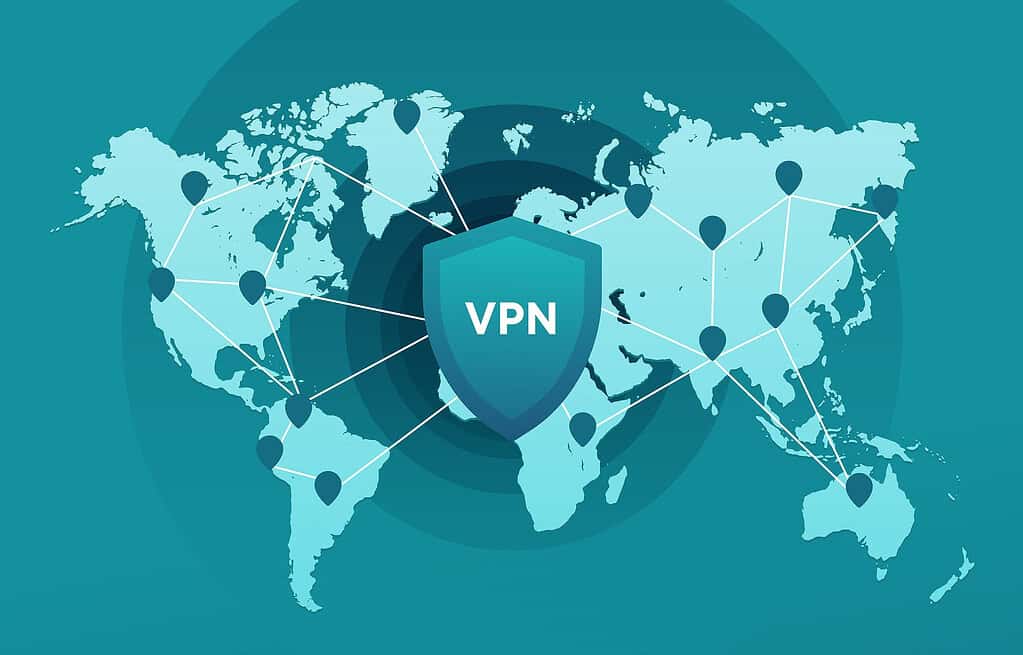
VPNs with numerous global server locations and reliable speeds provide a better user experience, especially for streaming and downloading.
Trustworthiness and Transparency
Choose VPNs with transparent privacy policies, independent security audits, and positive user reviews to guarantee reliability.
User-Friendly Interface and Compatibility
A good VPN in 2025 should be easy to use across multiple devices and platforms, offering seamless setup and intuitive interfaces.
Conclusion: Are VPNs Still Essential in 2025?
In 2025, VPNs remain a critical component of online privacy strategies. Despite advancements in alternative technologies, VPNs uniquely offer comprehensive encryption, bypassing geo-restrictions, and ensuring secure public Wi-Fi use. Their role is especially important given ongoing cybersecurity threats, increased surveillance, and persistent privacy concerns.
While other technologies provide useful privacy enhancements, VPNs in 2025 are still indispensable for anyone serious about maintaining digital privacy and security.
The Illusion of Stability in Modern Updates For most users, operating system updates are something that simply happen. They arrive quietly, often installing in the background, requiring little more than…
Macbook Neo, How Does It Compare To Air & Pro? Over the last few years the laptop market has experienced one of the most significant architectural changes in its history.…
Apple’s latest product announcements mark one of the most significant shifts in the Mac lineup in more than a decade. While Apple routinely updates its hardware with faster chips, incremental…
There is a particular kind of frustration that only a slow computer can produce. It is not dramatic. It is not urgent. It does not scream for attention. Instead, it…
In an era where nearly every aspect of personal computer maintenance and professional life is mediated through digital systems, your computer is no longer a luxury device — it is…
Phone says charging but battery not increasing is one of the most frustrating problems smartphone users face. You plug it in.The lightning bolt appears.It says “Charging.” But the battery percentage…
Apple’s rumour cycle always looks like a thousand disconnected leaks — until you line them up and notice the same themes repeating: AI-first silicon, camera and display differentiation, form-factor experiments (foldables / spatial…
Wi-Fi connected but no internet is one of the most frustrating messages you can see on a computer or laptop. The Wi-Fi icon shows full bars.It says “Connected.”But websites won’t…
Unfortunately, there was an error submitting your request.
Please try again later, or reach out to us directly. You can call us at +44 1429 280955 or email us at sales@kingfishercomputers.co.uk for assistance. We’re here to help you get your computer back up and running!
We’ve received your booking, Our team will get in touch with you shortly to confirm the details. You’re one step closer to having your computer fixed! If you have any urgent questions, feel free to contact us. Otherwise, sit back, and we’ll handle the rest.