Wired vs Wireless: Which Is Better for Gaming in 2025?
Adam Fornal
June 7th, 2025
Table of Contents
Wired vs Wireless: Which Is Better for Gaming in 2025?
The gaming world has evolved dramatically over the past few years, and the Wired vs Wireless debate continues to spark passionate discussions among gamers. As we navigate through 2025, technological advancements have significantly narrowed the performance gap between wired and wireless gaming peripherals. This comprehensive guide examines every aspect of the Wired vs Wireless gaming experience to help you make informed decisions about your gaming setup.
Modern gaming demands precision, speed, and reliability. Whether you’re competing in esports tournaments, streaming to thousands of viewers, or enjoying casual gaming sessions, your choice in the Wired vs Wireless debate can significantly impact your gaming performance. Understanding the nuances of each technology will help you optimize your gaming experience based on your specific needs and preferences.
The Evolution of Gaming Technology
The Wired vs Wireless landscape has transformed dramatically since the early days of gaming. Traditional wired connections once held an undisputed advantage in terms of latency and reliability. However, modern wireless technologies have made tremendous strides in closing these gaps. Today’s wireless gaming peripherals utilize advanced protocols, improved battery technologies, and sophisticated signal processing to deliver performance levels that were unimaginable just a few years ago.
Gaming manufacturers have invested billions of dollars into research and development to address the historical weaknesses of wireless gaming equipment. The Wired vs Wireless performance gap has narrowed to the point where many professional gamers now confidently use wireless peripherals in competitive environments. This shift represents a fundamental change in how we approach gaming connectivity and peripheral selection.
Current State of Gaming Connectivity
In 2025, the Wired vs Wireless debate encompasses more than just latency considerations. Modern wireless technologies like Wi-Fi 7, Bluetooth 5.4, and proprietary gaming protocols offer unprecedented performance levels. Simultaneously, wired connections have evolved with improved cable materials, better connector designs, and enhanced signal integrity. This evolution means that both options now offer compelling advantages depending on your specific gaming requirements and environment.
The gaming industry has responded to consumer demands for flexibility without sacrificing performance. The Wired vs Wireless choice no longer requires significant performance compromises in most scenarios. Instead, the decision increasingly depends on personal preferences, gaming environments, and specific use cases rather than absolute performance differences.
Key Factors Influencing Modern Gaming Decisions
Several critical factors now influence the Wired vs Wireless decision for gaming enthusiasts. Latency requirements vary significantly between different gaming genres—first-person shooters and fighting games demand ultra-low latency, while strategy games and role-playing games are more forgiving. Battery life considerations affect wireless gaming experiences, with some devices offering weeks of use while others require daily charging.
Environmental factors also play crucial roles in Wired vs Wireless decisions. Gaming spaces with significant electromagnetic interference may favor wired connections, while clean setups benefit from wireless freedom. Mobility requirements, whether for portable gaming or simply reducing cable clutter, influence many gamers’ preferences. Understanding these factors helps create gaming setups that truly enhance rather than hinder gaming experiences.
Performance Analysis: Wired vs Wireless Gaming in 2025
The performance comparison between Wired vs Wireless gaming setups requires examining multiple technical aspects that directly impact gaming experiences. Modern testing methodologies and advanced measurement tools provide precise data about latency, throughput, and reliability differences between connection types.
Latency and Response Time Comparison
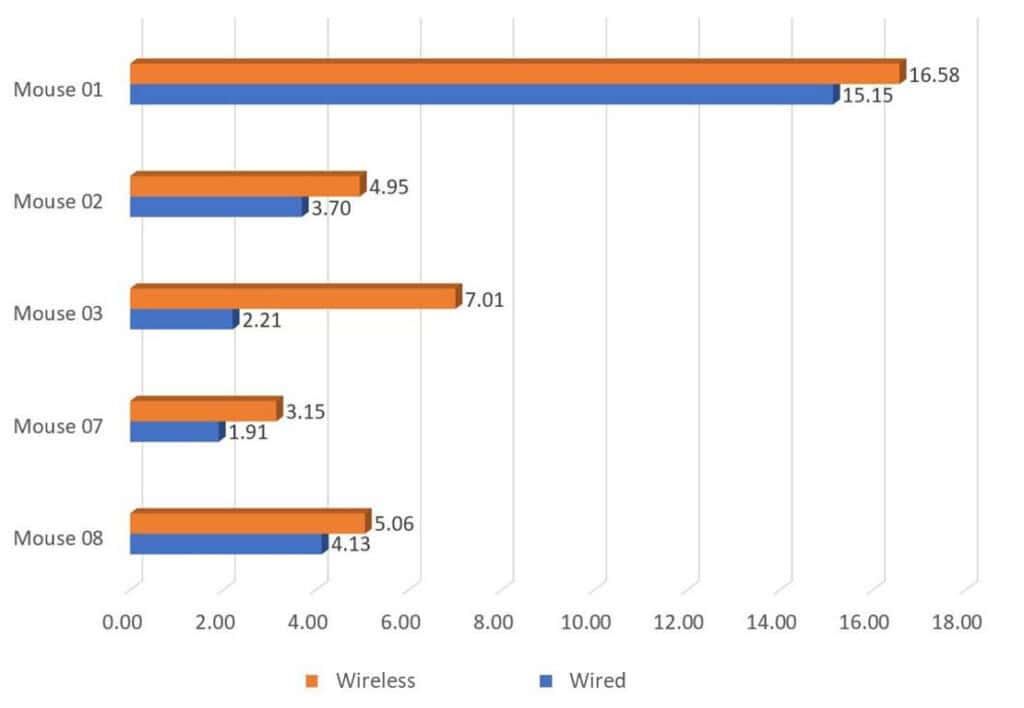
Latency remains the most critical factor in the Wired vs Wireless gaming debate. Modern wired connections typically deliver input lag between 1-3 milliseconds, providing virtually instantaneous response to user inputs. High-quality wired gaming mice and keyboards maintain consistent latency regardless of environmental conditions or interference sources.
Current wireless gaming technology has made remarkable progress in latency reduction. Premium wireless gaming mice now achieve latency figures between 1-5 milliseconds, with some flagship models matching wired performance in controlled conditions. The Wired vs Wireless latency gap has become negligible for most gaming scenarios, though competitive esports players may still perceive subtle differences in extremely demanding situations.
Wired Vs Wireless: Which Is Better For Gaming In 2025? 5
Real-World Latency Testing Results
Independent testing laboratories have conducted extensive Wired vs Wireless latency comparisons using professional-grade equipment. Results consistently show that high-end wireless gaming peripherals perform within acceptable ranges for competitive gaming. However, environmental factors like wireless congestion, distance from receivers, and battery levels can introduce variable latency that doesn’t affect wired connections.
The Wired vs Wireless latency debate becomes more complex when considering complete system latency, which includes display lag, processing delays, and peripheral response times. In many cases, display and system-level latencies exceed peripheral latency differences, making the Wired vs Wireless choice less critical than other system optimizations.
Gaming Genre Impact on Latency Requirements
Different gaming genres have varying tolerance levels for latency, significantly affecting Wired vs Wireless suitability. First-person shooters, fighting games, and rhythm games benefit most from ultra-low latency connections. Professional players in these genres often prefer wired connections to eliminate any possible latency variables, even if wireless alternatives perform similarly under ideal conditions.
Strategy games, role-playing games, and simulation titles are generally more forgiving of slight latency variations. For these gaming genres, the Wired vs Wireless choice can prioritize convenience and aesthetics over absolute minimum latency. Many casual and semi-competitive players find modern wireless gaming peripherals perfectly adequate for their needs across all gaming genres.
Reliability and Consistency Factors
Reliability represents another crucial aspect of the Wired vs Wireless comparison. Wired connections offer inherent stability—physical cables provide consistent electrical connections that aren’t susceptible to interference or signal degradation. Barring physical damage or connector wear, wired gaming peripherals maintain consistent performance throughout their lifespan.
Wireless gaming reliability has improved significantly through better protocols and error correction methods. Modern wireless gaming devices incorporate advanced algorithms to maintain connections even in challenging electromagnetic environments. However, the Wired vs Wireless reliability equation still favors wired connections in environments with significant interference sources or when maximum consistency is required.
Environmental Interference Considerations
The Wired vs Wireless reliability comparison becomes complex when considering environmental factors. Wireless gaming setups must contend with interference from Wi-Fi networks, Bluetooth devices, microwave ovens, and other electromagnetic sources. Gaming environments with multiple wireless devices may experience occasional connection drops or performance inconsistencies that don’t affect wired setups.
Conversely, wired gaming setups face their own reliability challenges. Cable wear, connector corrosion, and physical damage can cause intermittent connection issues. The Wired vs Wireless reliability equation must account for both electromagnetic interference risks and physical wear factors when evaluating long-term performance expectations.
Battery Life and Power Management
Power management represents a unique consideration in Wired vs Wireless gaming comparisons. Wired gaming peripherals draw power directly from connected devices, eliminating battery concerns entirely. This power delivery method ensures consistent performance without degradation as power levels decrease.
Modern wireless gaming devices offer impressive battery life through efficient power management and advanced battery technologies. Premium wireless gaming mice can operate for weeks or months on single charges, while wireless keyboards may last even longer. However, the Wired vs Wireless power equation must account for the inconvenience and potential performance impacts of battery depletion during gaming sessions.
Charging Solutions and Convenience
The Wired vs Wireless convenience factor increasingly favors wireless devices with innovative charging solutions. Wireless charging mouse pads, rapid charging capabilities, and battery swap systems minimize downtime and maintenance requirements. Some wireless gaming devices now offer continuous operation through wireless charging, effectively eliminating battery concerns.
However, power management remains a consideration that doesn’t affect wired gaming setups. The Wired vs Wireless convenience comparison must weigh the freedom of wireless operation against the simplicity of always-available wired power. Personal preferences and usage patterns significantly influence which approach proves more convenient for individual gamers.
Peripheral-Specific Analysis: Wired vs Wireless Gaming Equipment
Different gaming peripherals present unique considerations in the Wired vs Wireless debate. Mice, keyboards, headsets, and controllers each have specific performance requirements and usage patterns that influence the optimal connectivity choice.
Gaming Mice: Precision and Performance
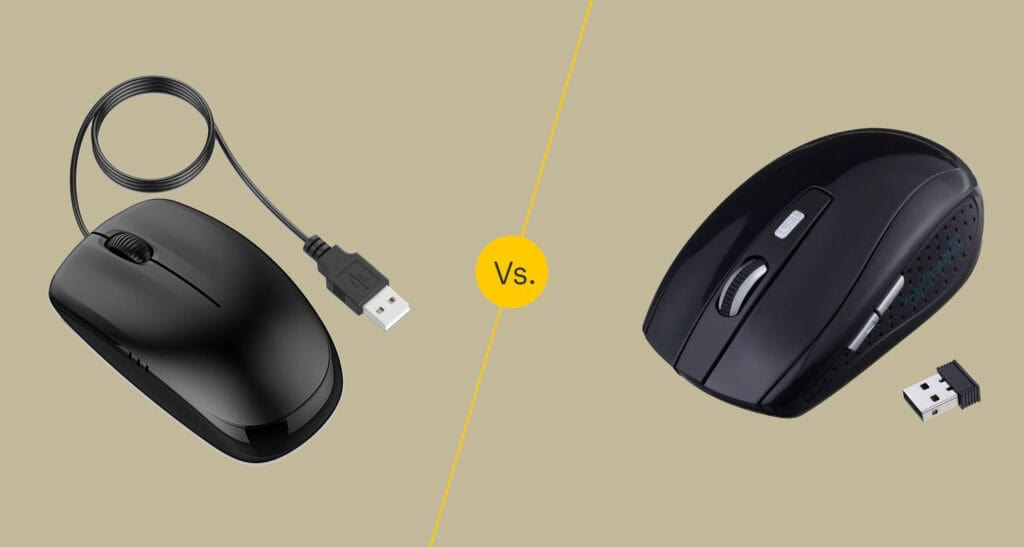
Gaming mice represent the most critical peripheral in the Wired vs Wireless performance equation. Precise cursor movement and instantaneous click response directly impact gaming performance across multiple genres. High-end gaming mice incorporate advanced sensors, adjustable DPI settings, and programmable buttons that must maintain consistent performance regardless of connection type.
Modern wireless gaming mice have achieved remarkable performance parity with wired alternatives. Premium wireless gaming mice utilize dedicated wireless protocols operating on clean frequency bands to minimize interference. Many professional esports players now compete using wireless gaming mice, demonstrating that the Wired vs Wireless performance gap has become negligible for even the most demanding applications.
Sensor Technology and Tracking Accuracy
The Wired vs Wireless comparison for gaming mice must consider sensor performance and tracking accuracy. Modern gaming mice incorporate optical or laser sensors capable of tracking movement at extremely high speeds and accelerations. Connection type has minimal impact on sensor performance, as processing occurs within the mouse rather than through the connection medium.
Wireless gaming mice may experience occasional tracking inconsistencies due to signal interference or low battery conditions. However, these issues are increasingly rare with modern devices and proper setup. The Wired vs Wireless tracking accuracy comparison generally favors consistency over peak performance, making either option suitable for serious gaming applications.
Weight and Ergonomics Considerations
Weight distribution significantly affects gaming mouse performance and comfort during extended gaming sessions. Wired gaming mice avoid battery weight but must accommodate cable management considerations. The Wired vs Wireless weight equation has shifted as wireless mice have incorporated lighter batteries and more efficient components.
Many modern wireless gaming mice actually weigh less than their wired counterparts when accounting for cable weight and drag. The Wired vs Wireless ergonomics comparison increasingly favors wireless designs that eliminate cable interference with mouse movement. This freedom of movement can improve accuracy and reduce fatigue during lengthy gaming sessions.
Wired Vs Wireless: Which Is Better For Gaming In 2025? 6
Gaming Keyboards: Input Speed and Reliability
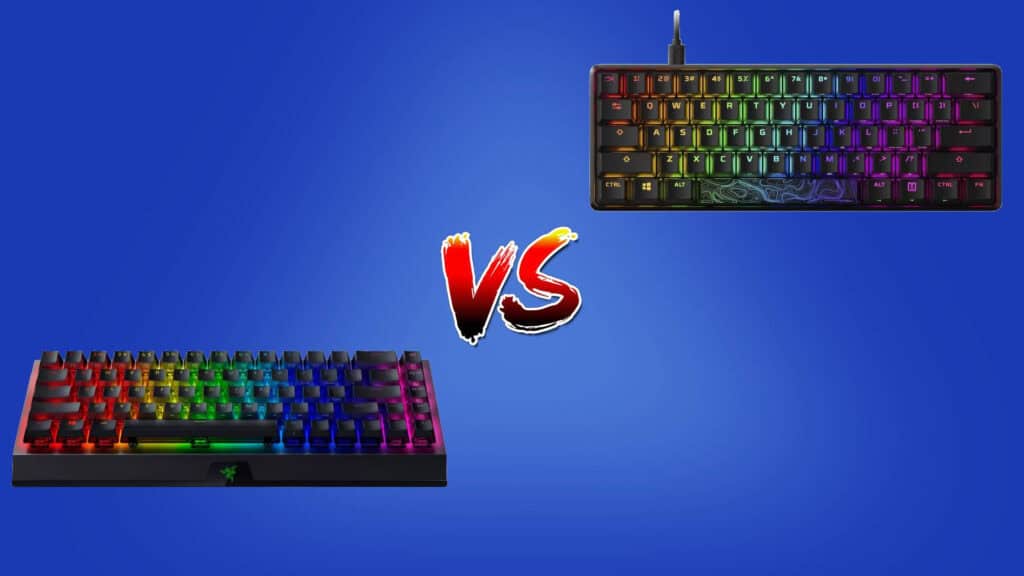
Gaming keyboards require reliable, fast input registration across multiple simultaneous key presses. Mechanical switches, customizable backlighting, and programmable macros have become standard features that must function consistently regardless of connection type. The Wired vs Wireless keyboard comparison focuses heavily on input reliability and battery life considerations.
Wireless gaming keyboards have overcome early reliability concerns through improved protocols and better power management. Modern wireless gaming keyboards support full n-key rollover and maintain consistent input timing that rivals wired alternatives. The Wired vs Wireless performance gap for gaming keyboards has largely disappeared for most gaming applications.
Switch Technology and Response Times
Mechanical keyboard switches provide the foundation for gaming keyboard performance. Switch activation force, travel distance, and reset characteristics directly impact typing speed and gaming performance. The Wired vs Wireless connection type has minimal influence on switch performance, as mechanical characteristics remain identical regardless of connectivity method.
However, wireless gaming keyboards must manage power consumption to maintain acceptable battery life. Some wireless keyboards adjust polling rates or disable certain features to extend battery life, potentially affecting performance. The Wired vs Wireless trade-off may require balancing maximum performance against battery longevity depending on usage patterns and preferences.
Customization and Software Integration
Advanced gaming keyboards offer extensive customization through companion software applications. RGB lighting, macro programming, and performance tuning require reliable communication between keyboards and host systems. The Wired vs Wireless software integration experience has improved significantly as manufacturers optimize their wireless protocols for data-intensive operations.
Some advanced features may operate differently between wired and wireless modes to manage power consumption or reduce latency. The Wired vs Wireless customization comparison should consider whether specific features are essential for your gaming requirements and how connection type might affect their implementation.
Wired Vs Wireless: Which Is Better For Gaming In 2025? 7
Gaming Headsets: Audio Quality and Communication
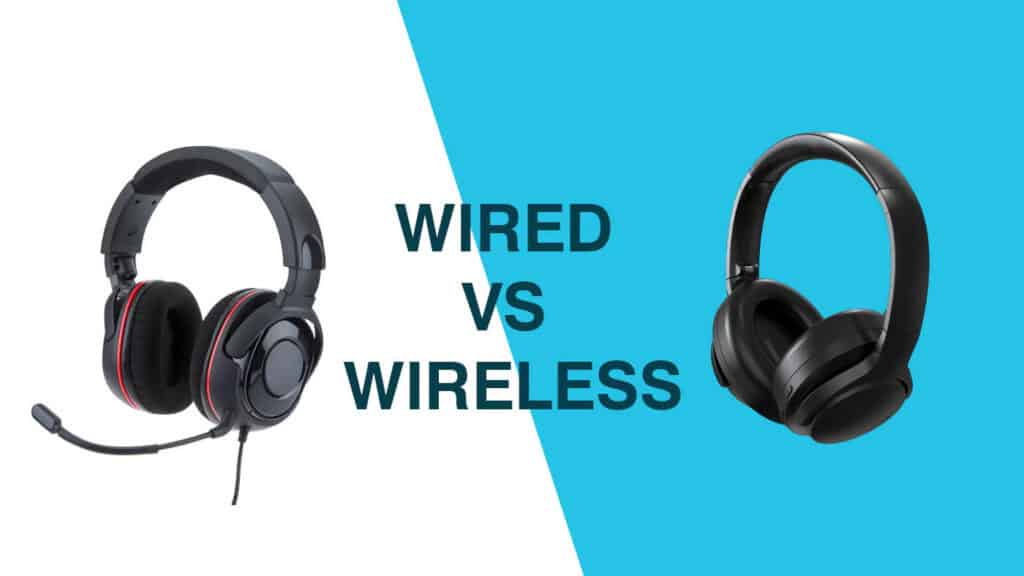
Gaming headsets serve dual purposes—delivering immersive audio experiences and enabling clear communication with teammates. Audio latency, sound quality, and microphone performance all factor into the Wired vs Wireless headset equation. Wireless headsets must also balance audio quality against battery life and connection reliability.
Modern wireless gaming headsets utilize advanced audio codecs and dedicated wireless protocols to minimize latency and maximize audio quality. The Wired vs Wireless audio quality gap has narrowed significantly, with premium wireless headsets delivering performance that satisfies even audiophile gamers. However, wireless headsets still face challenges with battery life and potential audio dropouts in challenging environments.
Audio Latency and Synchronization
Audio latency becomes critical in competitive gaming where sound cues provide tactical advantages. Footsteps, gunshots, and environmental audio must synchronize perfectly with visual information to maintain competitive edges. The Wired vs Wireless audio latency comparison typically favors wired connections, though modern wireless gaming headsets achieve acceptable latency levels for most gaming scenarios.
Dedicated gaming wireless protocols minimize audio latency compared to standard Bluetooth connections. However, the Wired vs Wireless latency equation for audio remains more complex than for input devices, as audio processing and buffering introduce additional delays that may compound wireless transmission latencies.
Microphone Quality and Communication
Clear communication proves essential for team-based gaming, making microphone performance a crucial factor in Wired vs Wireless headset comparisons. Wireless headsets must compress audio signals for transmission, potentially affecting microphone clarity and introducing artifacts. Modern compression algorithms minimize these effects, but the Wired vs Wireless microphone quality comparison may still favor wired connections for professional streaming or competitive gaming.
Battery life significantly affects wireless headset microphone performance, as low power conditions may reduce microphone sensitivity or introduce noise. The Wired vs Wireless communication reliability equation must account for power management effects on microphone performance throughout extended gaming sessions.
Wired Vs Wireless: Which Is Better For Gaming In 2025? 8
Cost Analysis and Value Proposition
The Wired vs Wireless cost comparison extends beyond initial purchase prices to include long-term ownership costs, upgrade cycles, and value retention. Understanding the complete cost picture helps gamers make informed decisions based on their budgets and gaming priorities.
Initial Investment Considerations
Entry-level Wired vs Wireless gaming peripherals show significant price differences, with wireless options typically commanding premium prices. However, the price gap narrows considerably at higher performance tiers, where both wired and wireless options incorporate similar premium materials and advanced features. The Wired vs Wireless value equation requires considering performance per dollar rather than absolute pricing.
Premium wireless gaming peripherals often justify their higher costs through additional features like wireless charging, extended battery life, and multi-device connectivity. The Wired vs Wireless cost analysis should account for these value-added features when comparing options within similar performance categories.
Long-term Ownership Costs
The Wired vs Wireless total cost of ownership includes maintenance, replacement parts, and upgrade considerations. Wired gaming peripherals may require cable replacements due to wear or damage, while wireless devices face battery degradation over time. Understanding these long-term costs helps inform purchasing decisions for gamers planning extended device lifecycles.
Wireless gaming devices typically offer longer functional lifespans due to reduced mechanical wear from cable management. However, battery replacement costs and potential wireless technology obsolescence factor into the Wired vs Wireless long-term cost equation. Gamers should consider their typical upgrade cycles when evaluating total ownership costs.
Performance Per Dollar Analysis
The Wired vs Wireless value proposition varies significantly across different price points and performance requirements. Budget-conscious gamers may find wired options offer better performance per dollar, while enthusiasts might prefer wireless premium features despite higher costs. Evaluating performance per dollar requires matching peripheral capabilities to individual gaming needs and preferences.
Mid-range Wired vs Wireless options often provide the best value proposition for most gamers. These products typically incorporate proven technologies without the premium pricing of flagship models. The Wired vs Wireless sweet spot balances performance, features, and pricing to deliver optimal value for diverse gaming requirements.
Market Trends and Future Pricing
Gaming peripheral pricing trends suggest continued convergence between Wired vs Wireless options as wireless technologies mature and manufacturing scales increase. Competition among manufacturers drives innovation while reducing costs, benefiting consumers regardless of their Wired vs Wireless preferences.
The Wired vs Wireless pricing landscape will likely continue evolving as new technologies emerge and older ones become commoditized. Gamers making purchasing decisions should consider both current pricing and anticipated technology developments that might affect future value retention and upgrade paths.
Gaming Environment and Setup Considerations
The optimal Wired vs Wireless choice depends heavily on individual gaming environments, setup preferences, and usage patterns. Analyzing these factors helps identify which connection type best suits specific gaming situations and requirements.
Desk Setup and Cable Management
Gaming desk organization significantly influences the Wired vs Wireless preference equation. Wired setups require careful cable management to maintain clean aesthetics and prevent cable interference with gaming movements. Cable routing, management accessories, and desk design all factor into the overall Wired vs Wireless setup experience.
Wireless gaming setups eliminate cable clutter but introduce charging station requirements and receiver placement considerations. The Wired vs Wireless desk organization comparison must balance cable management complexity against wireless charging and storage needs. Personal preferences for desk aesthetics and organization play major roles in this decision.
Mobility and Flexibility Requirements
Gaming mobility requirements strongly influence Wired vs Wireless suitability. Portable gaming setups benefit significantly from wireless peripherals that reduce packing complexity and setup time. However, stationary gaming stations may prioritize performance consistency over mobility convenience.
The Wired vs Wireless mobility equation also considers temporary gaming situations like LAN parties or tournament play. Wireless peripherals simplify transportation and setup, while wired options eliminate battery and interference concerns in unfamiliar environments. Understanding your mobility patterns helps inform the optimal Wired vs Wireless choice for diverse gaming scenarios.
Multi-Device Connectivity
Modern gamers often use multiple devices—gaming PCs, consoles, mobile devices, and streaming equipment. Wireless gaming peripherals increasingly offer seamless switching between multiple connected devices, providing significant convenience advantages. The Wired vs Wireless multi-device comparison heavily favors wireless options for complex gaming setups.
However, multi-device wireless connectivity may introduce complexity in device management and pairing procedures. The Wired vs Wireless simplicity equation varies depending on individual technical comfort levels and device management preferences. Some gamers prefer the straightforward nature of wired connections over wireless device management complexity.
Integration with Gaming Ecosystems
Gaming ecosystem integration affects Wired vs Wireless peripheral compatibility and feature access. RGB lighting synchronization, software integration, and cross-device functionality may work differently between wired and wireless implementations. The Wired vs Wireless ecosystem integration comparison should consider your existing gaming hardware and software preferences.
Some gaming ecosystems offer enhanced features for wireless peripherals, such as seamless device switching or integrated charging solutions. The Wired vs Wireless ecosystem benefits require evaluating how connection type fits within your broader gaming hardware strategy and preferred manufacturer ecosystems.
Expert Recommendations and Best Practices
Based on comprehensive analysis of Wired vs Wireless gaming technology in 2025, specific recommendations emerge for different gaming scenarios and user preferences. These guidelines help gamers make informed decisions based on their individual requirements and priorities.
Competitive Gaming Recommendations
Competitive gamers prioritizing absolute minimum latency and maximum consistency should carefully evaluate their Wired vs Wireless options. While modern wireless gaming peripherals offer excellent performance, wired connections still provide the most predictable and consistent experience for professional esports applications.
However, many professional gamers now successfully compete using wireless peripherals, demonstrating that the Wired vs Wireless performance gap has become negligible for most competitive scenarios. The choice increasingly depends on personal preferences and specific gaming requirements rather than absolute performance limitations.
Casual Gaming Guidelines
Casual gamers have more flexibility in their Wired vs Wireless choices, as performance requirements are typically less stringent. Convenience, aesthetics, and value often outweigh absolute performance considerations for recreational gaming applications. Wireless gaming peripherals offer significant convenience advantages that many casual gamers find compelling.
The Wired vs Wireless casual gaming equation favors options that enhance the overall gaming experience without creating maintenance burdens or reliability concerns. Modern wireless gaming peripherals excel in these scenarios, providing excellent performance with improved convenience and aesthetics.
Hybrid Setup Strategies
Many experienced gamers adopt hybrid Wired vs Wireless strategies that optimize different peripherals based on their specific requirements and usage patterns. Gaming mice might utilize wireless connectivity for freedom of movement, while keyboards remain wired for consistency and to avoid battery management.
These hybrid Wired vs Wireless approaches recognize that different peripherals have varying performance requirements and usage characteristics. Customizing connection types for individual peripherals allows optimization of both performance and convenience based on specific gaming needs and preferences.
Future-Proofing Considerations
The Wired vs Wireless technology landscape continues evolving rapidly, with new protocols and capabilities emerging regularly. Gamers making purchasing decisions should consider upgrade paths and technology longevity when choosing between connection types. Investing in high-quality options from reputable manufacturers typically provides better long-term value regardless of connection type.
Future Wired vs Wireless developments will likely continue closing performance gaps while improving wireless convenience and reliability. Staying informed about technology trends helps gamers make decisions that remain relevant and valuable throughout typical peripheral upgrade cycles.
Making the Right Choice for Your Gaming Setup
The Wired vs Wireless gaming debate in 2025 offers compelling options regardless of your choice. Modern wireless gaming technology has largely eliminated historical performance disadvantages while providing significant convenience benefits. Simultaneously, wired connections continue offering reliable, consistent performance without battery or interference concerns.
Your optimal Wired vs Wireless choice depends on balancing performance requirements, convenience preferences, budget considerations, and gaming environment factors. Competitive gamers may still prefer wired reliability, while casual gamers often benefit from wireless convenience. Many gamers find hybrid approaches provide optimal solutions for their diverse gaming needs.
The Wired vs Wireless decision no longer requires significant performance compromises in either direction. Instead, focus on understanding your specific gaming requirements, environmental factors, and personal preferences to choose options that truly enhance your gaming experience. Both wired and wireless gaming peripherals offer excellent performance when properly selected and implemented for your unique gaming situation.
Whether you choose wired reliability or wireless freedom, modern gaming technology ensures excellent experiences are available regardless of your Wired vs Wireless preference. The key lies in matching your choice to your specific needs rather than following general recommendations that may not align with your individual gaming priorities and requirements.
The Illusion of Stability in Modern Updates For most users, operating system updates are something that simply happen. They arrive quietly, often installing in the background, requiring little more than…
Macbook Neo, How Does It Compare To Air & Pro? Over the last few years the laptop market has experienced one of the most significant architectural changes in its history.…
Apple’s latest product announcements mark one of the most significant shifts in the Mac lineup in more than a decade. While Apple routinely updates its hardware with faster chips, incremental…
There is a particular kind of frustration that only a slow computer can produce. It is not dramatic. It is not urgent. It does not scream for attention. Instead, it…
In an era where nearly every aspect of personal computer maintenance and professional life is mediated through digital systems, your computer is no longer a luxury device — it is…
Phone says charging but battery not increasing is one of the most frustrating problems smartphone users face. You plug it in.The lightning bolt appears.It says “Charging.” But the battery percentage…
Apple’s rumour cycle always looks like a thousand disconnected leaks — until you line them up and notice the same themes repeating: AI-first silicon, camera and display differentiation, form-factor experiments (foldables / spatial…
Wi-Fi connected but no internet is one of the most frustrating messages you can see on a computer or laptop. The Wi-Fi icon shows full bars.It says “Connected.”But websites won’t…
Unfortunately, there was an error submitting your request.
Please try again later, or reach out to us directly. You can call us at +44 1429 280955 or email us at [email protected] for assistance. We’re here to help you get your computer back up and running!
We’ve received your booking, Our team will get in touch with you shortly to confirm the details. You’re one step closer to having your computer fixed! If you have any urgent questions, feel free to contact us. Otherwise, sit back, and we’ll handle the rest.